

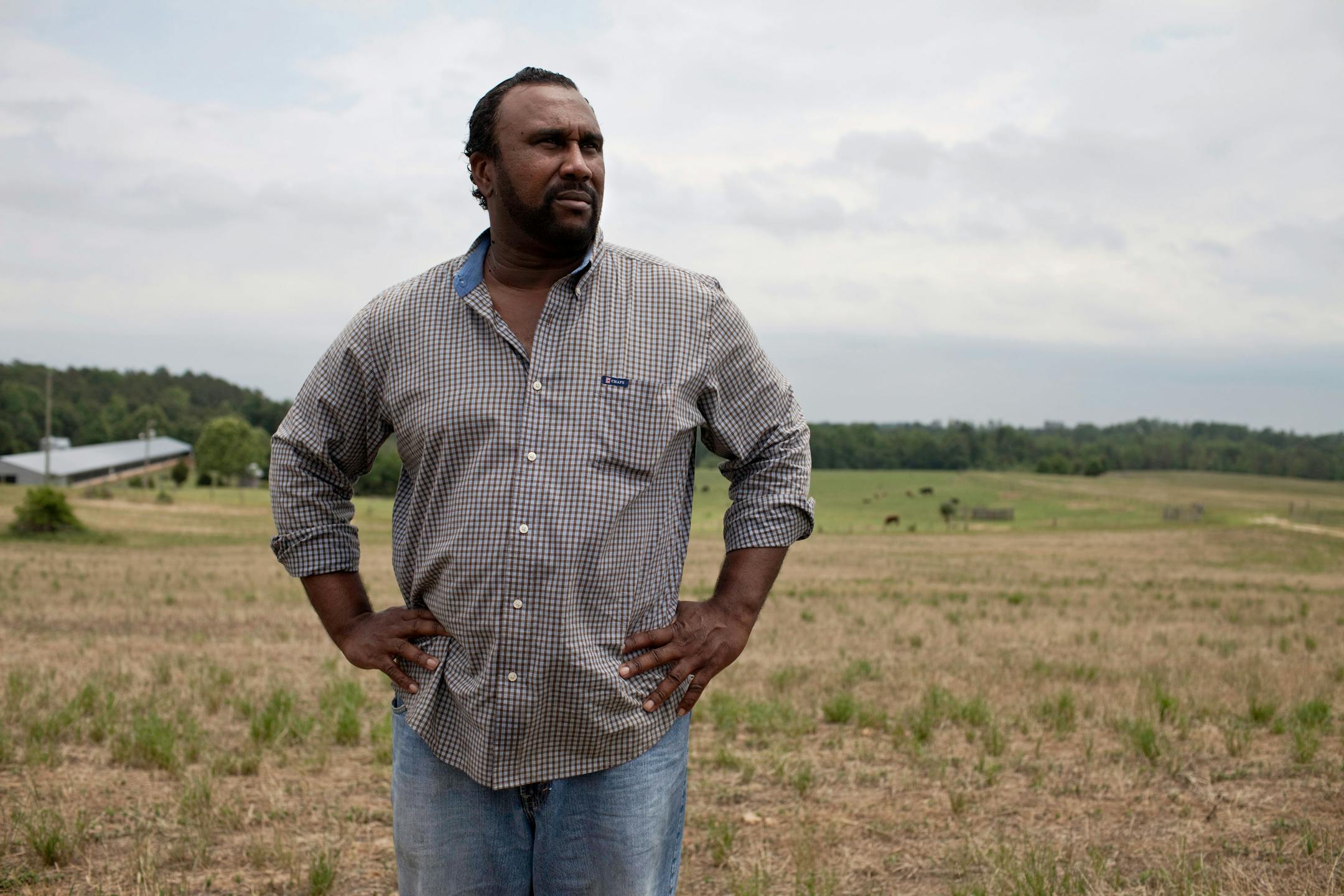
Many white people have become aware in the last year of the discrimination that Black Americans face in policing, voting, health care and more. Few, however, may recognize that systemic racism led to another grave injustice, one that underpins many other forms of exploitation: More than a century of land theft and the exclusion of Black people from government agricultural programs have denied many descendants of enslaved people livelihoods as independent, landowning farmers.
African-American labor built much of this country's agriculture, a prime source of the nation's early wealth. In the years since the end of slavery, Black Americans have been largely left out of federal land giveaways, loans and farm improvement programs. They have been driven off their farms through a combination of terror and mistreatment by the federal government, resulting in debt, foreclosures and impoverishment.
So a program that would pay off U.S. Department of Agriculture-guaranteed and direct farm loans and associated tax liabilities of Black, Indigenous, Hispanic and other farmers of color would not only be surprising, it would be historic. And yet it looks as though that may happen: Such a measure is included in the pandemic relief package wending its way through Congress.
The story of Black farmers is tragic. The Homestead Act of 1862 initiated the biggest land giveaway in U.S. history, and the beneficiaries were almost exclusively white men. Paired with slavery, the act formed a foundation for wealth-building that overwhelmingly benefited white farmers — and still does.
In the last 100 years, the number of Black-run farms has plummeted by a calamitous 96%, from close to a million (1 in 7) of all American farms to around 35,000 (or about one in 50). The beneficiaries of that Black land loss? White farmers. By 1999, 98% of all agricultural land was owned by white people.
This trend has been spurred by exclusion from the federal programs that help make farming profitable and by well-documented racism at the USDA. The department's discrimination has reached down to local loan officers, who often determine access to credit and therefore survival. Black farmers understandably have called the USDA "the last plantation."
The ostracism has been so extreme that often Black farmers have been unaware that beneficial programs exist. And even when they have learned about government programs, they may have felt that applying isn't worth the racist treatment they endure in the process. As John Boyd Jr., president of the National Black Farmers Association, said, "The average age of the Black farmer is 61, and he's like, 'I ain't going back in there after the way they've treated me.' "
The actual scope of the discrimination may be unknown. So many injustices have been hidden that few in the field trust the USDA's version of the story. We do know, according to the most recent agriculture census, that Black farmers receive about $59 million in government payments; white farmers receive about $9 billion. Per capita, that's $1,208 for Black farmers and $2,707 for white farmers.


