

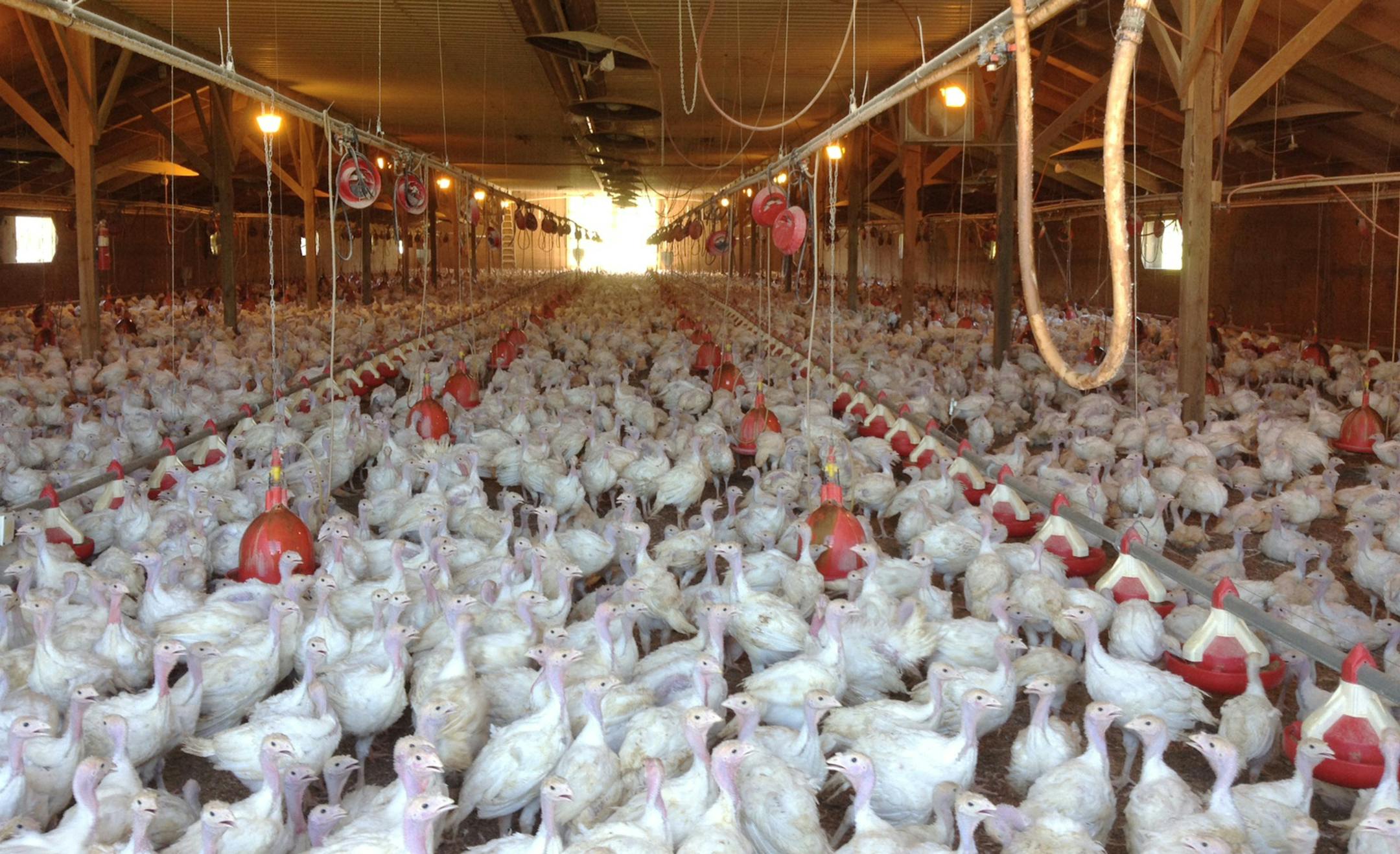
The merest mention of bird flu is enough to send shivers down the spine of a chicken farmer. But as the U.S. deals with its first case of highly pathogenic bird flu on a farm in a year, the poultry industry hasn't started to panic.
Learning lessons after the worst-ever U.S. outbreak two years ago, America's chicken, turkey and egg producers are gearing up with tighter biosecurity measures and quicker quarantines to deter spread of the infection. One thing working in their favor: early springlike weather in the region that can stop the virus from thriving.
A U.S. outbreak of bird flu in 2015 wiped out more than 48 million birds through infection and culling. The scourge that year sent egg prices soaring and prompted countries around the globe to ban U.S. shipments of poultry products.
Exports have only started to recover, and another epidemic would threaten the livelihood of farmers at time when agriculture incomes are slumping. South Korea and other countries have already placed some restrictions on American shipments.
The latest U.S. case also comes at a time when the virus has spread in parts of Asia and Europe. Singapore said on Tuesday that it will impose temporary restrictions on the import of poultry and poultry products from affected Tennessee and Wisconsin farms.
After a fairly dormant cycle last year, the highly contagious H7 strain of the virus was confirmed Sunday at a southern Tennessee chicken-breeding operation that supplies Tyson Foods Inc. Making matters worse, the state borders several of the nation's largest chicken-meat producing states, including Georgia, Alabama, Arkansas and North Carolina. The virus is believed to spread partly by migratory wild birds, posing the risk it may reach other farms. Still, the industry is confident in its new security procedures.
"It's hard right now to hit the panic button because we know we've had these wild birds circulating all winter — it's a hold-your-breath situation," said Brett Stuart, founding partner at Denver-based Global AgriTrends, a market researcher. "The fact we've made it this long is very impressive. It speaks to the biosecurity efforts of U.S. producers."
The affected Tennessee operation is now under quarantine and the 73,500 chickens at the farm have been destroyed. The risk of human infection is very low, the state's agriculture department said in a statement Sunday. Springdale, Ark.-based Tyson said all flocks within a six-mile radius of the farm will be tested and won't be transported unless they test negative for the virus.


