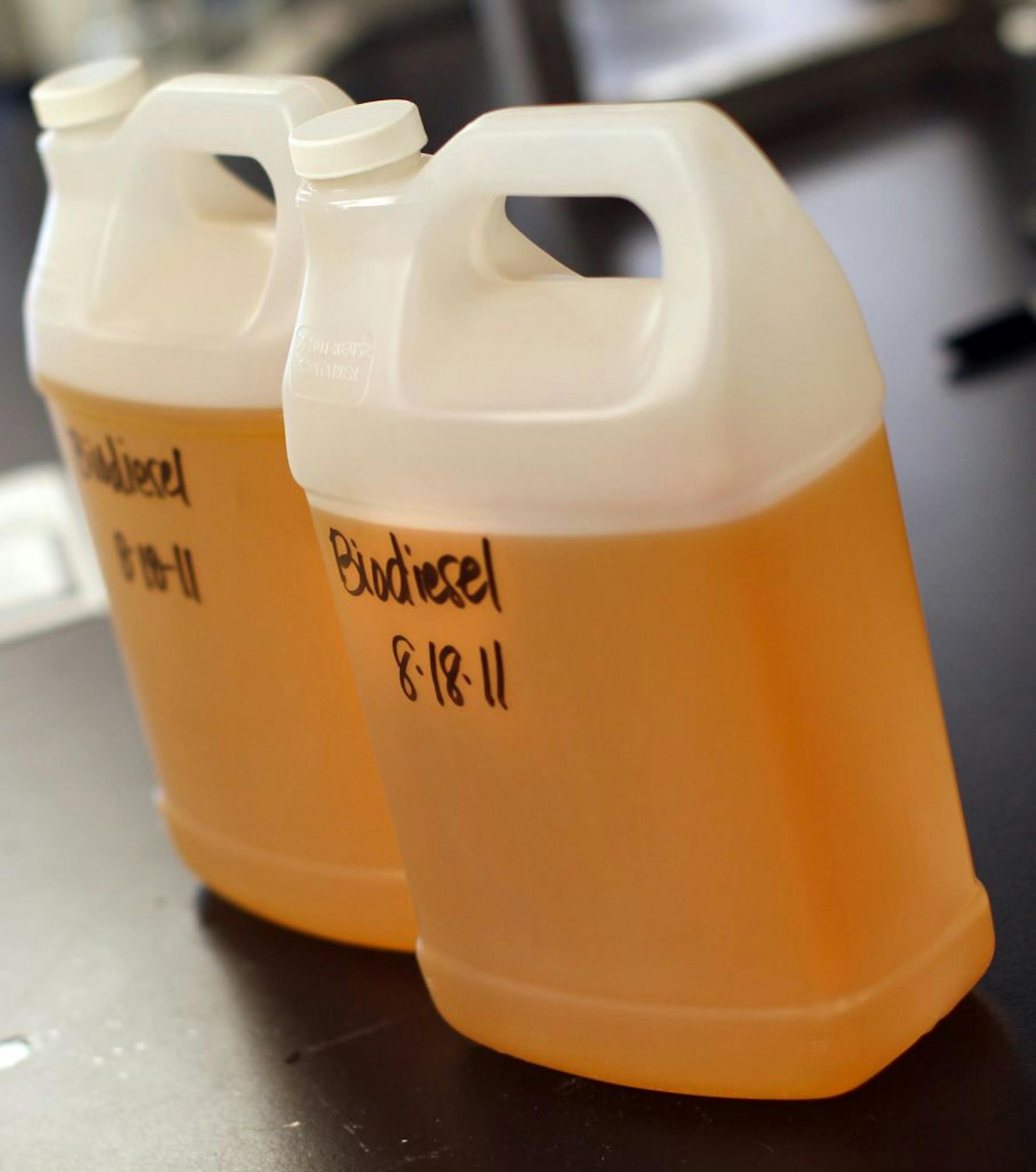
For the second time in two years, the U.S. biodiesel industry is losing its federal tax incentive. This time, the industry is hoping it won't take a nosedive.
The $1-per-gallon subsidy for blending biodiesel with regular diesel fuel lapses on Sunday -- just as it did two years ago, leaving idle a quarter of the nation's biodiesel refineries, including one in Minnesota.
"We don't anticipate a repeat," said Ben Evans, a spokesman for the National Biodiesel Board, an industry trade group.
The key reason is that a federal mandate now requires oil companies to blend biodiesel. The U.S. Environmental Protection Agency (EPA) last week upped the target by 20 percent to 1 billion gallons in 2012. Minnesota has a separate mandate for a 5 percent biodiesel blend.
That means oil companies and fuel terminals must keep blending biodiesel even though they no longer receive a tax credit. For users of diesel fuel, the end of the blender credit likely will mean a few cents per gallon price increase at the pump.
The mandate, known as the Renewable Fuel Standard, was authorized under a 2007 federal law, but the annual biodiesel blending target wasn't immediately defined by the EPA. When the tax credit lapsed at the end of 2009, biodiesel production dropped by 42 percent, leaving 52 of the nation's 190 biodiesel plants closed. The credit was restored this year, and the industry would like Congress again to reauthorize it.
Most biodiesel is made from soybeans, though other oils and fats increasingly are being used, including industrial corn oil produced at ethanol plants.
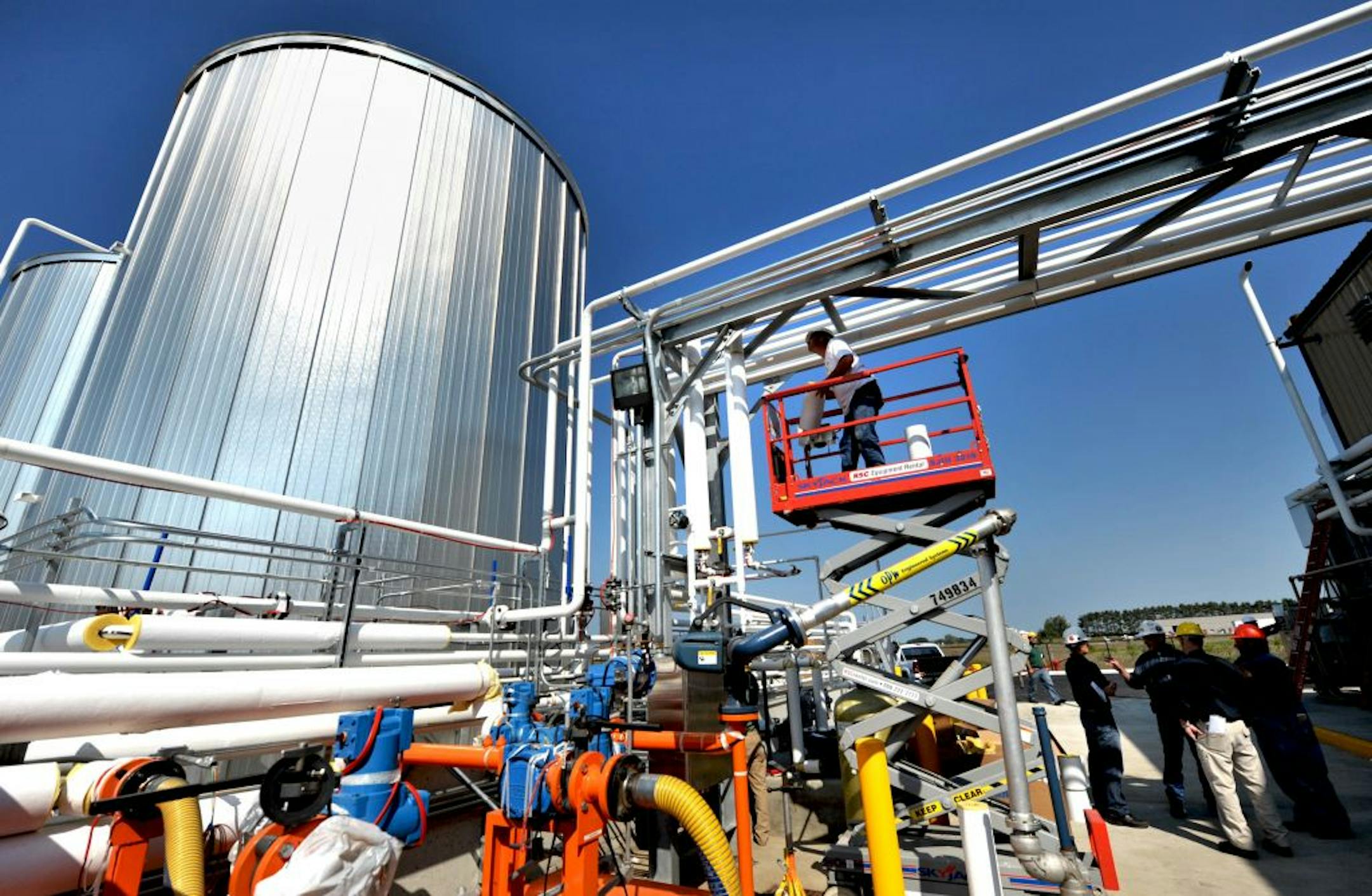
Officials at Minnesota's two large, soybean-fed biodiesel plants, Minnesota Soybean Processors of Brewster and the Renewable Energy Group refinery in Glenville, said they don't expect the lapse in the federal subsidy to force them to close.