

The world is becoming a bigger, not a smaller place, a process financial markets and investors might not enjoy.
A number of the biggest stories for markets — from the United Kingdom elections last week to Greece's default drama to new opposition to the proposed Trans-Pacific Partnership (TPP) trade agreement — have de-globalization at their core.
De-globalization is the partial unwinding of the long-running shift to arrangements that allow capital, goods and services to move more freely.
A complex array of forces and interests in opposition to globalization has emerged since the financial crisis. They range from national governments seeking more control over the banks whose risks they insure to politicians and labor unions in richer nations arguing that globalization threatens the jobs and incomes of those in the middle while concentrating gains at the top.
Evidence that globalization is under fire is easy to find. Last week's election in Britain came embedded with twin threats: to British membership in the European Union and to Scotland remaining within the United Kingdom.
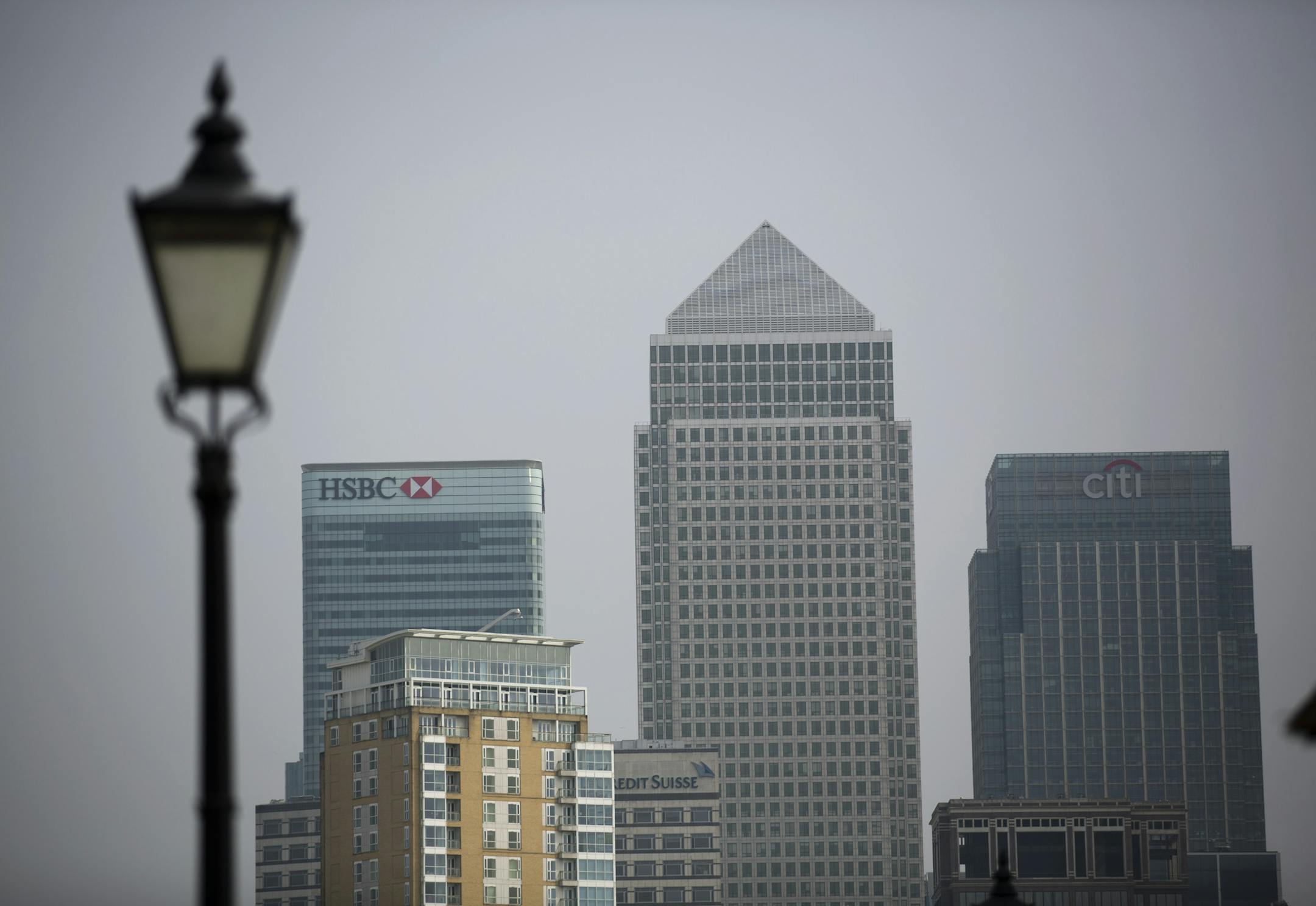
Britain's biggest bank, HSBC, said it may move its headquarters out of the country in the wake of "regulatory and structural reforms" imposed after the 2008 financial crisis. The bank also cited concern over whether Britain will stay in the E.U. Those reforms, which left Britain with some of the tightest banking regulations, were themselves a form of retreat from globalization, as would be leaving the E.U.
The wrangling between Greece and its eurozone partners over its debts may ultimately result in its exit from the single currency, a project that is partly predicated on the desire to capitalize on the forces of globalization.
Or consider the sudden run of play against the TPP in the United States. The idea of easier and growing trade as a force for good is central to globalization, whose backers believe that the economic growth trade brings can benefit all segments of an economy. An unusual coalition of left-of-center Democrats and right-wing Republicans has emerged to threaten the TPP, which would cover 40 percent of the global economy if President Obama can push it through. Opponents offer a variety of arguments depending on their orientation, notably fear that U.S. jobs and incomes will suffer because of heightened global competition.
Less tightly integrated
Growth in global trade, a key indicator of the pace of globalization, is slowing. Trade volumes fell 0.9 percent in February and 1.6 percent in January, according to the Netherlands Bureau for Economic Policy Analysis. What's more, trade has expanded at only about the rate of global economic growth since the financial crisis, having usually comfortably exceeded GDP growth in previous years.



