

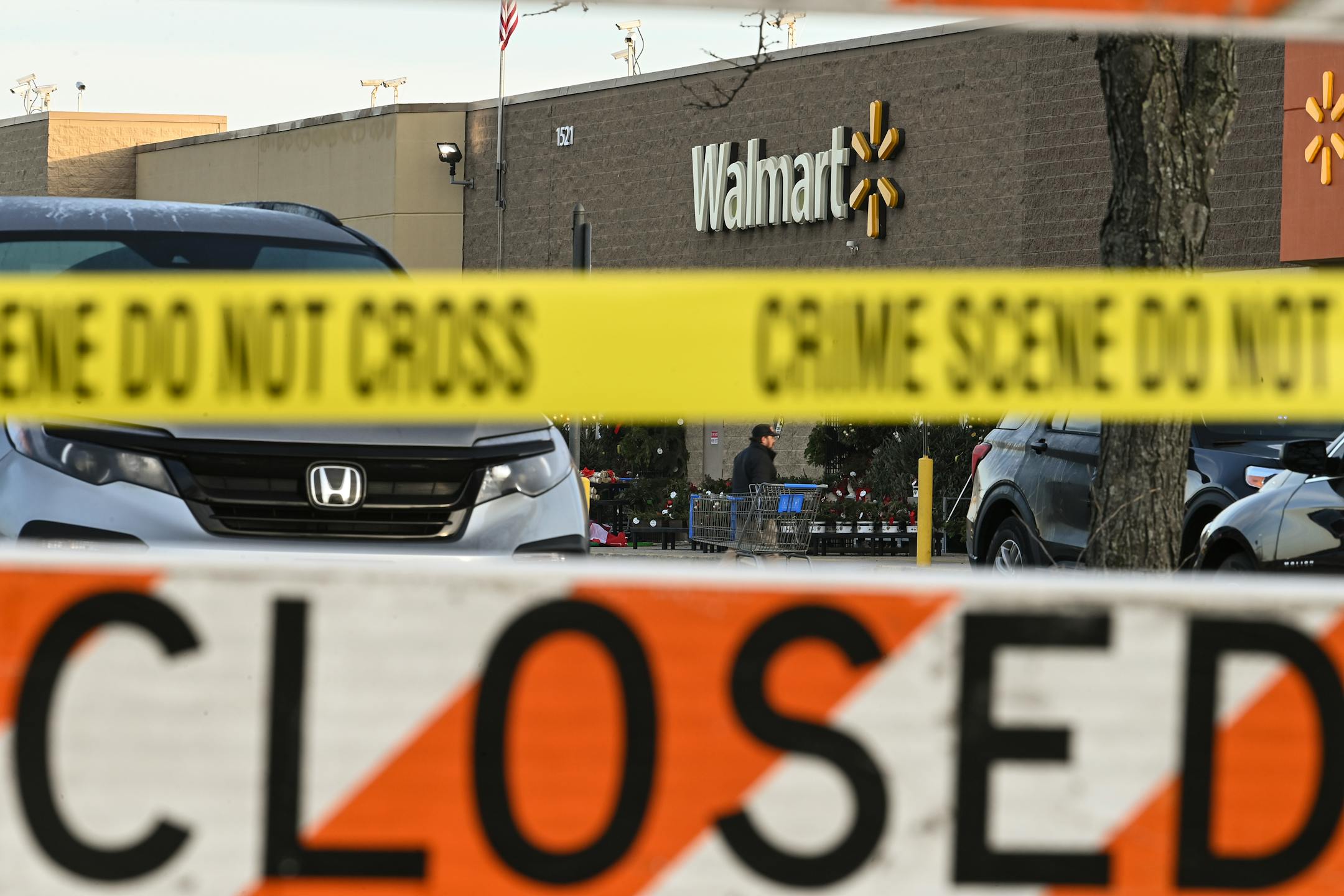
Opinion editor’s note: Star Tribune Opinion publishes a mix of national and local commentaries online and in print each day. To contribute, click here.
•••
The shooting last week at the Kansas City Super Bowl parade, which killed one person and injured more than 20, was the 49th mass shooting this year. We are barely halfway through February.
President Joe Biden and other lawmakers put out the expected statements, giving their condolences and demanding change. So did the Kansas City Chiefs and the NFL. But so far corporate America has offered primarily silence.
This is a stark reversal from June 2022, when more than 500 CEOs and board chairs signed a letter urging the Senate to take “immediate action” on gun violence in the wake of the mass shootings at Robb Elementary School in Uvalde, Texas, and a Tops supermarket in Buffalo, New York. The momentum had been building; 145 had signed a similar letter three years earlier after a shooting at an El Paso Walmart killed 22 people. (Disclosure: Signatories of both letters included Bloomberg LP chairman Peter T. Grauer.)
Clearly the appetite for this kind of outspokenness from some of America’s biggest companies has evaporated; the mass shootings, however, have not. Not all that long ago, it was the norm for companies to speak out on social issues ranging from same-sex marriage rights to Black Lives Matter and racial justice. Companies took positions because they aligned with their corporate values, they claimed. And, of course, it was also good PR.
But now the Republican Party’s war on “woke capitalism” and environmental, social and governance efforts has changed the calculus. Last year, House Republicans introduced a bill designed to stop “boardroom gun control” by prohibiting the federal government from entering into contracts with companies that “discriminate” against firearm businesses and organizations. In Texas, a 2021 law requires that banks that underwrite the municipal bond market must not exclude the firearms industry. More generally, the political right has tried to punish any company it views as pushing a “liberal agenda.” Case in point: After Walt Disney spoke out against Florida’s Don’t Say Gay Bill, attacking the company became a central tenet of Gov. Ron DeSantis’s political platform.
Against this backdrop, the bar has gotten much higher for a CEO or board to risk the backlash of publicly wading into a potentially hot-button topic. The idea that a company has a moral or ethical obligation to use its platform is passé. The litmus test is now: Does the issue at hand impact a company’s bottom line? When it comes to gun control, the answer from boardrooms seems to be a hard no.


