

President Joe Biden arrived in the White House 10 months ago with two top foreign policy priorities: He wanted to rebuild the alliances his predecessor had trashed, and he wanted to focus on the U.S. competition with China.
History, and other great powers, don't always cooperate with presidents' grand designs.
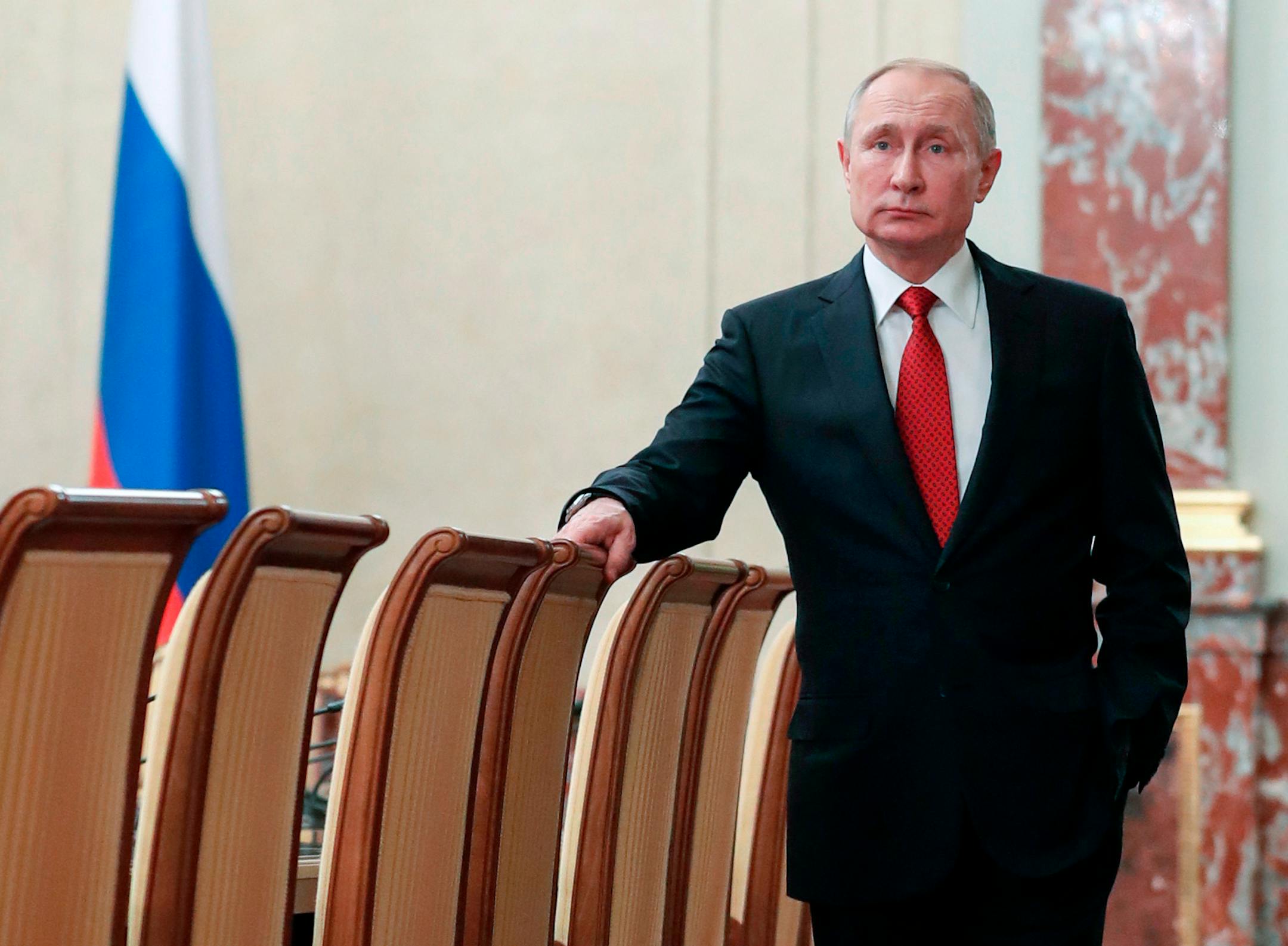
The most dangerous international crisis at the moment has come not from Asia, but from a more traditional nemesis, Russia's Vladimir Putin.
Biden has little choice but to deal with Putin's challenge — and his Republican opponents could advance U.S. interests if they stopped denying the president the tools he needs to do so.
Putin's goal, which he has expressed bluntly and often, is to restore Russia's sway over the empire it lost in 1991 when the Soviet Union collapsed. His immediate aim is to reverse the expansion of NATO, the U.S.-led military alliance, to Russia's western borders.
Putin has assets at his command: a surprisingly strong economy with soaring oil revenue, control over much of Europe's natural gas supply, a military skilled in covert warfare and the ruthlessness to act brutally when it suits him.
In recent months, he has warned neighboring countries, including Poland and the three small Baltic republics, all NATO members, that he considers their integration into the alliance an unfriendly act.
He backed Belarus, his closest ally, when its dictator cynically imported hapless migrants from the Middle East, bused them to its border and demanded that neighboring Poland admit them as refugees.


