

In the history of political campaigns, no topic has a higher ratio of punditry to significance as the choice of running mates. It provides a refreshing break after the long race for the presidential nomination; it typically features many possible contenders; and it fills airtime on news and talk shows.
For all the attention it gets, the decision usually makes no difference. Paul Ryan was the dream 2012 running mate for Mitt Romney, for all the good it did him. Dick Cheney added zero political value, which didn't stop George W. Bush from winning in 2000. Jack Kemp, Dan Quayle, Geraldine Ferraro — none of them mattered at the polls.
But some vice presidents do matter in office. Mike Pence ran the coronavirus task force with slightly more competence than we have come to expect from this administration. Joe Biden spurred Barack Obama to endorse same-sex marriage. Cheney pushed relentlessly to invade Iraq.
The choice of a running mate is important, though, for what it reveals about the presidential nominee. When John McCain chose the abysmally unqualified Sarah Palin, he contradicted his slogan: Country First. When Bush picked Cheney, it showed that he valued substance more than anything else.
Biden has a harder decision, because his options are more limited. First, recognizing the political and historic importance of ending the male monopoly on our highest offices, he promised to choose a woman. Second, with the sudden national focus on racial equity, he is under heavy pressure to make it someone of color.
His decision is critical, if only because Biden, who will turn 78 in November, would be the oldest person ever to become president. He carries an outsized risk of dying or becoming incapacitated in office.
He can't have great confidence that his No. 2 would remain in the spare-tire compartment. So Biden ought to give the highest priority to finding someone equipped to take over the presidency at any moment.
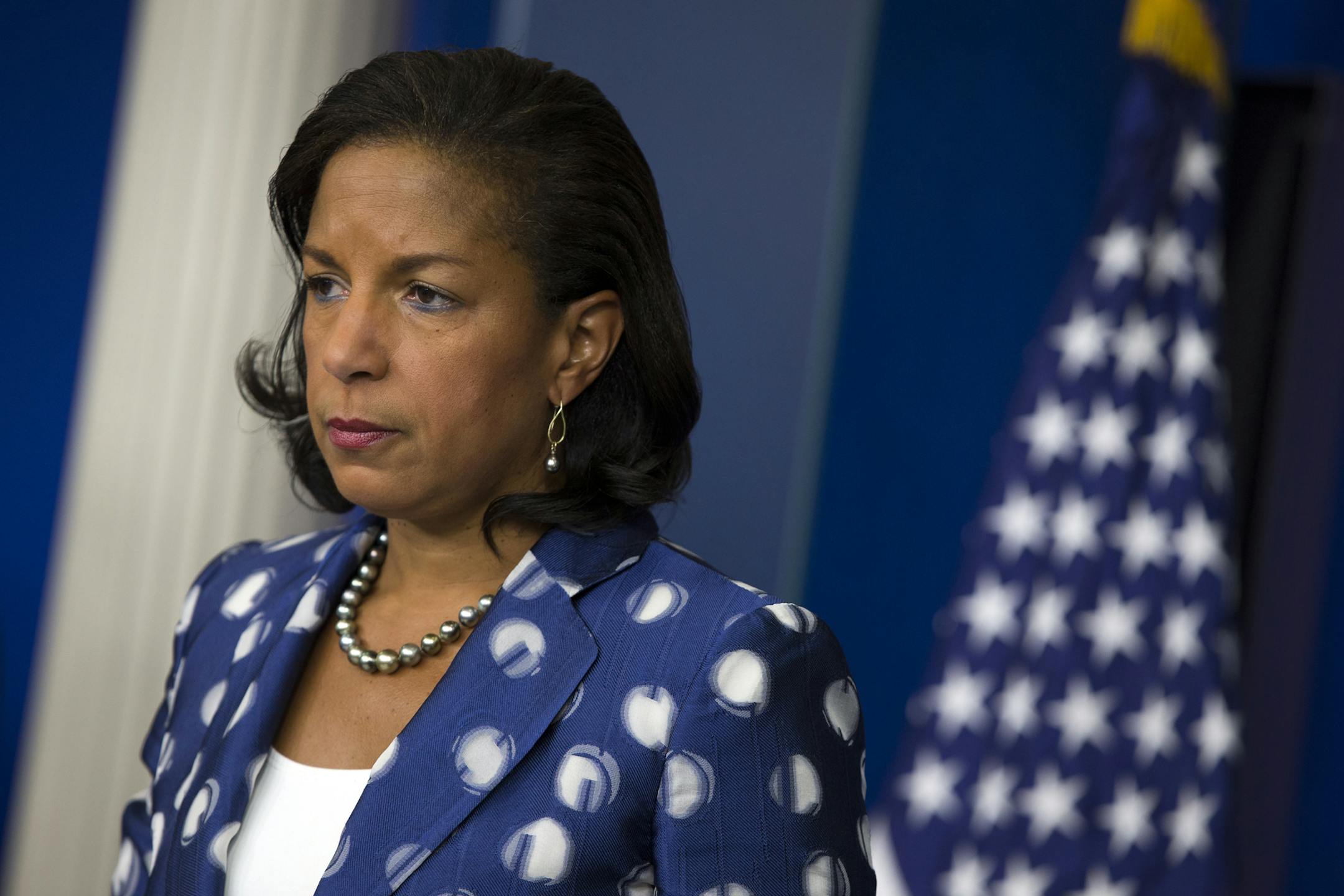
There is only one contender who meets that standard: Susan Rice, whose preparation puts her in a different league from anyone else in the running. During the Clinton administration, she worked on the National Security Council and served as assistant secretary of state for African affairs. She was Barack Obama's U.N. ambassador and national security adviser.


