

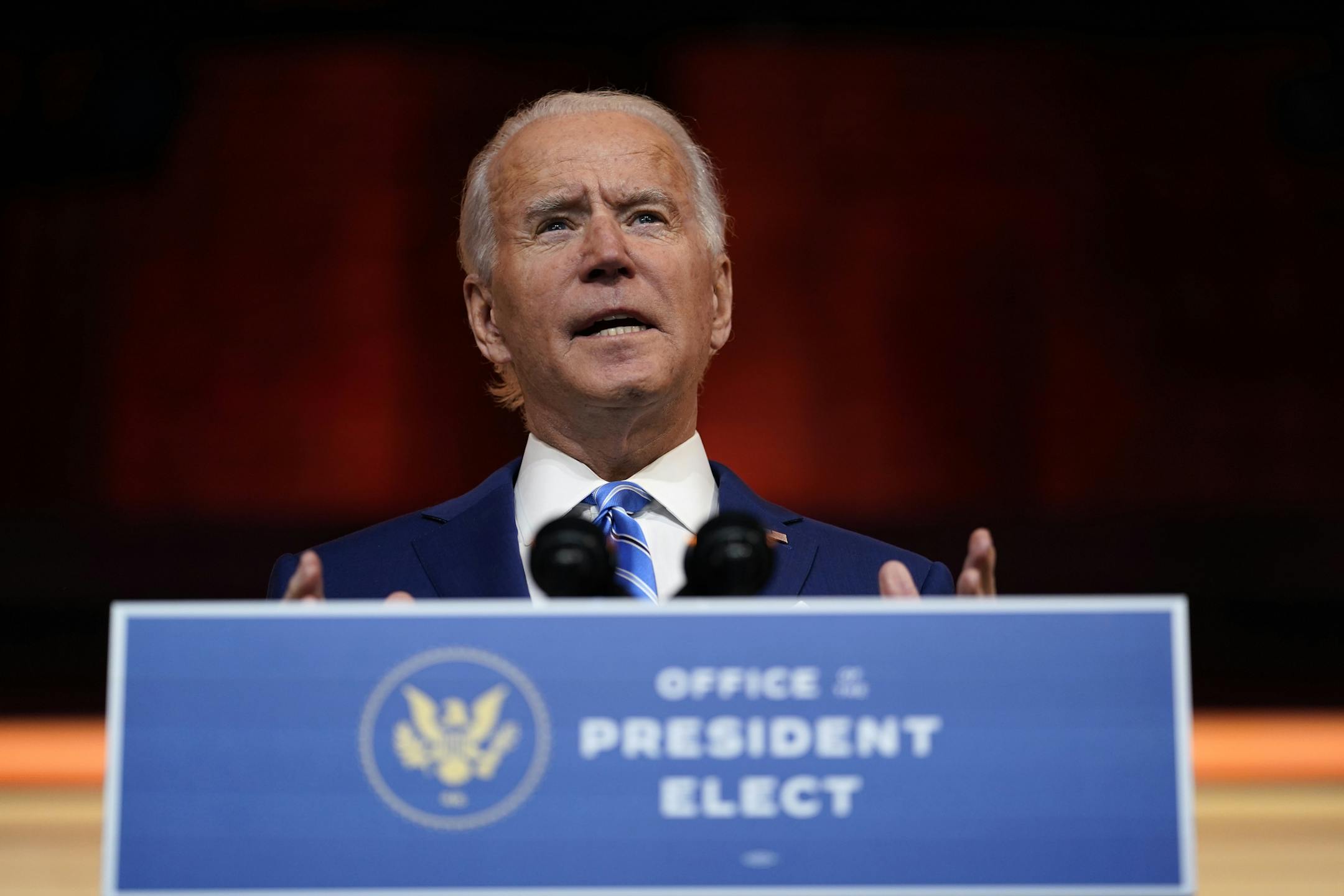
Joe Biden ran as the antithesis of Donald Trump: an experienced, dignified and empathetic leader who could bridge America's political, racial and class divides. The success of the Biden administration, however, may depend on something he has in common with Trump: a transactional approach to politics.
Biden is no one's idea of a demagogue. But even admiring chroniclers of his career acknowledge that his entry into politics was, like Trump's, driven more by ambition than by principle. As Even Osnos, author of "Joe Biden: The Life, the Run, and What Matters Now," explains, Biden entered the Senate when the polarization of U.S. politics was at a low point. The most powerful senators weren't those who could galvanize the base with high-minded rhetoric or, alternatively, venal demagoguery.
Instead, power and respect accrued to those who could forge deals among legislators with sharply divergent views. Biden, for example, typically cites the fight for civil rights as one of his reasons for entering politics. At the same time, he often recalls his close working relationships with die-hard segregationists as among his most valuable experiences.
"You'd get up and you'd argue like the devil with them. Then you'd go down and have lunch or dinner together," Biden once said, referring to Democratic segregationists such as the late Sen. James Eastland of Mississippi. "The political system worked."
This ideological flexibility hampered Biden's previous runs at the presidency. Even this year, in the Democratic primary, his then-rival-now-partner Sen. Kamala Harris criticized him over his opposition to busing.
Biden pulled off a commanding victory in the end. Yet it was his ability to beat Trump, not enthusiasm for his policy vision, which Democratic voters cite as their reason for supporting him.
A little less vision might be precisely what America needs right now. Faulty polls lulled Democrats into believing that hatred for Trump, and his administration's disastrous handling of COVID, would finally deliver them the mandate they needed to carry out a progressive agenda. Instead, Republicans gained seats in the House and — after the Georgia special elections are decided — will almost certainly retain their majority in the Senate.
In today's polarized environment, the temptation is the same for both parties: Stick with the kind of ideological hardball they have been playing since the Obama years, in the hopes that they can gain a decisive majority needed to govern in 2022 or 2024.


