EMMETSBURG, Iowa – The first large ethanol plants to produce biofuel from nonfood sources like corn cobs are starting operations in the Midwest amid industry worries that they might also be the last — at least in the United States.
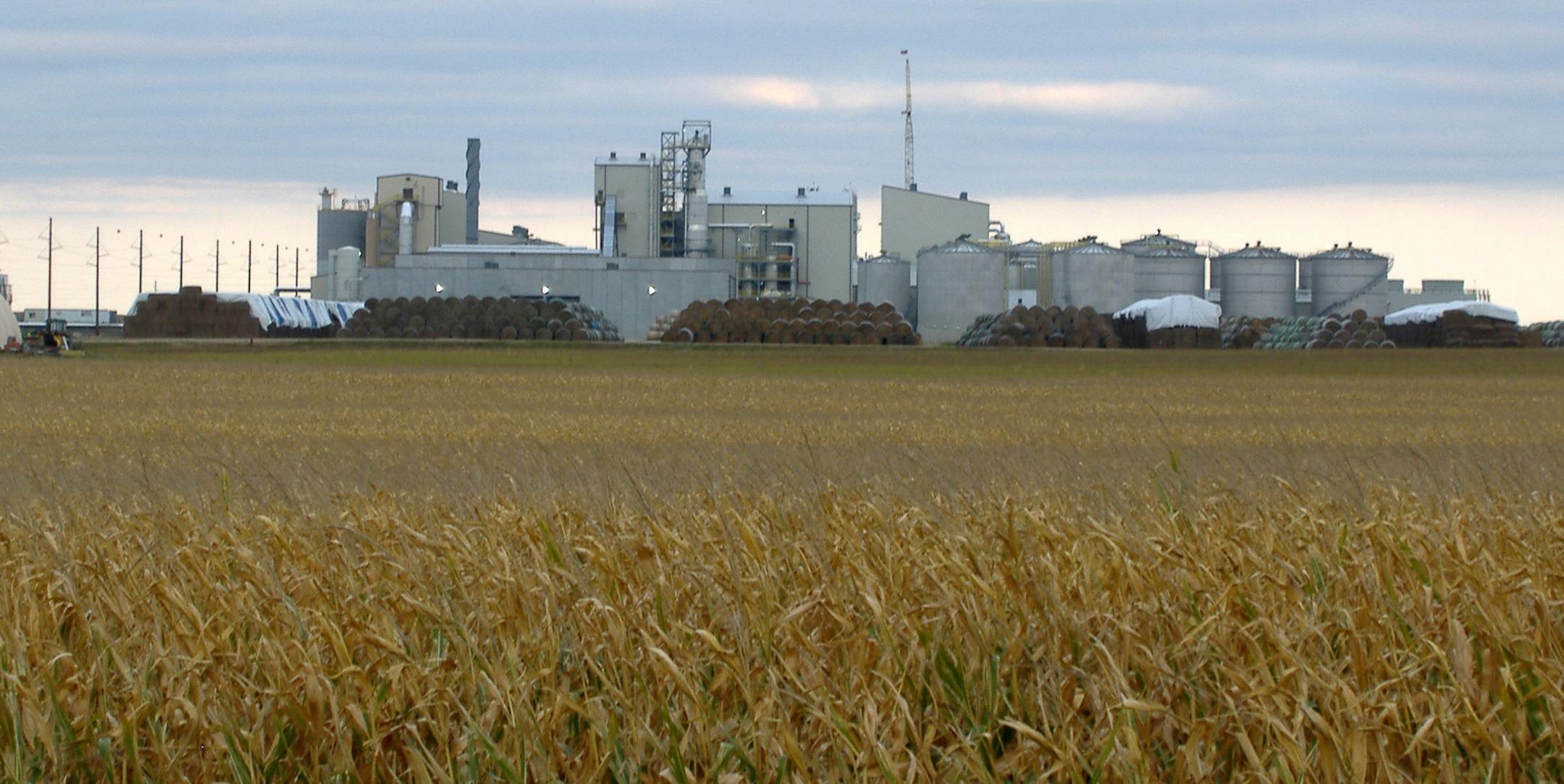
After a decade of research and development, ethanol maker Poet Inc. and its Dutch partner Royal DSM recently produced the first cellulosic ethanol at a $275 million plant next to a cornfield in this northern Iowa town.
Two other companies are completing new cellulosic ethanol plants in Iowa and Kansas. By next year, they expect to be producing millions of gallons of the advanced biofuel.
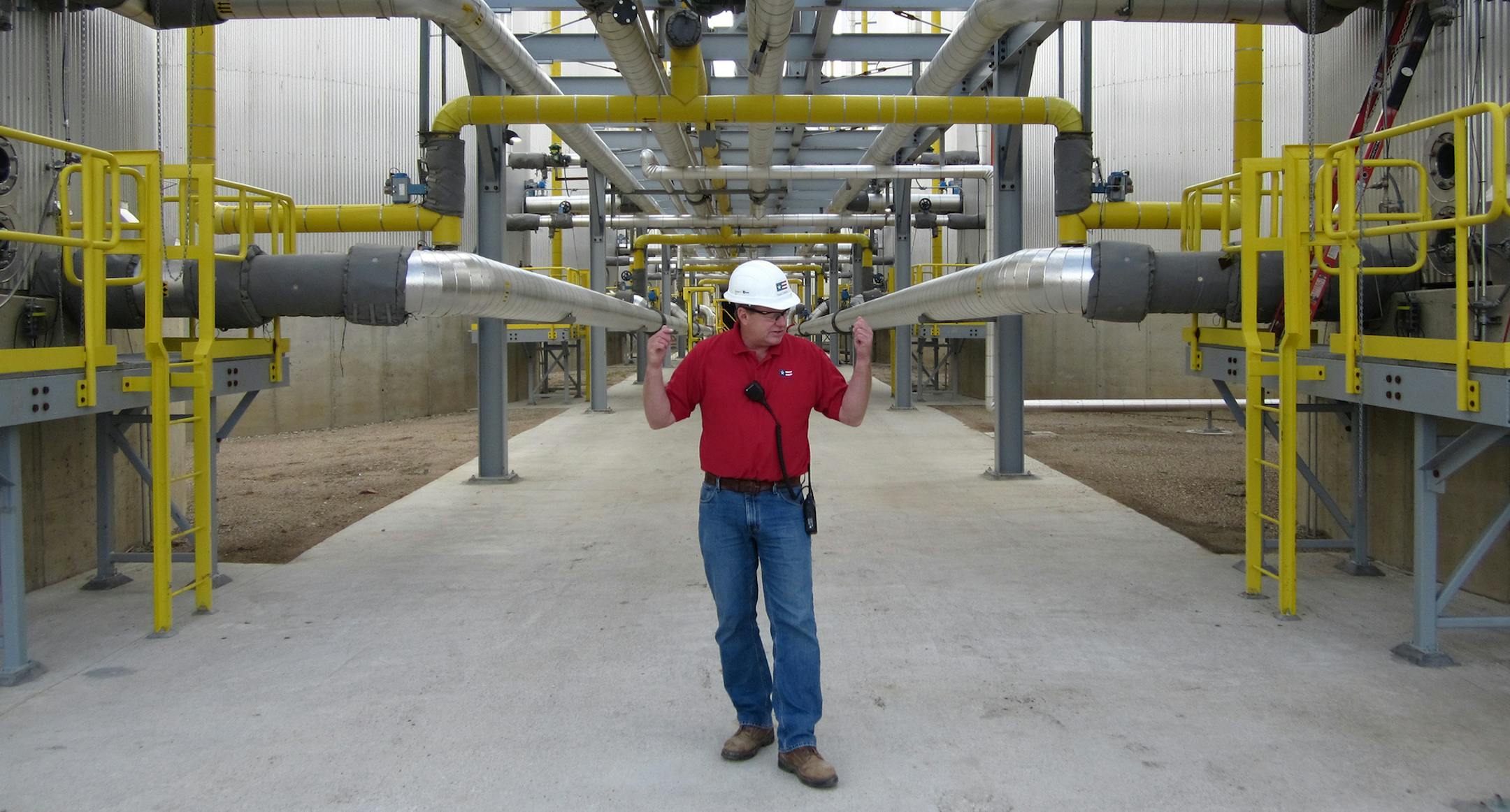
"It was a big moment when we produced ethanol," said the Emmetsburg plant's general manager, Daron Wilson, who kept a vial from the first batch in August as a memento. "It was jubilation."
Yet the goal of producing ethanol from nonfood sources faces a murky future. Wavering U.S. policy on renewable fuels and the North American oil boom cast a shadow over the commercial triumph.
The next big cellulosic ethanol plants are planned or underway in Brazil, not the United States. Although the U.S. government has spent more than $1 billion to develop cellulosic technology, industry executives recently wrote to President Obama that other countries, including China, could "reap the economic and environmental rewards of technologies pioneered in America."
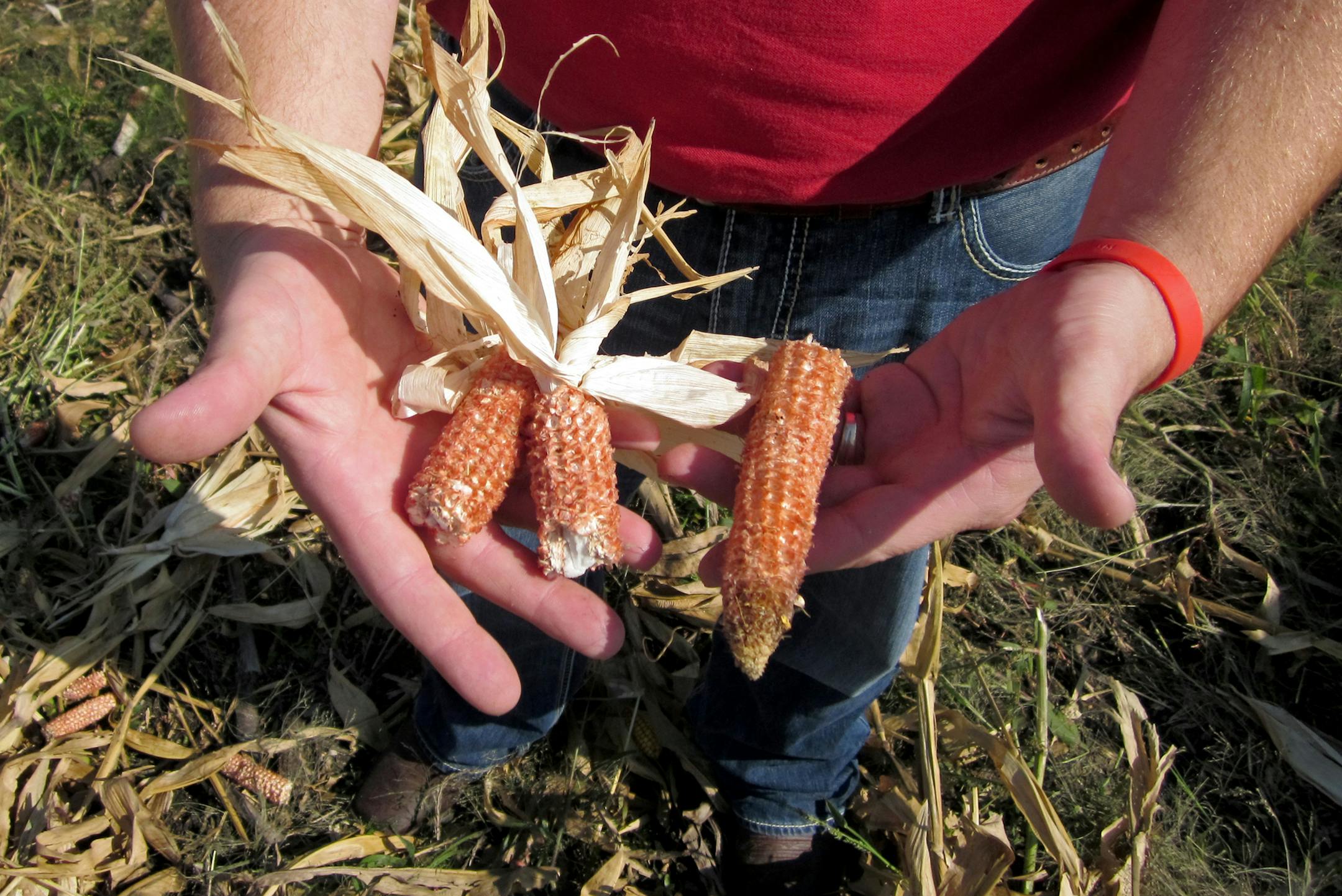
Most ethanol is fermented from corn kernels. The fuel made at the new Emmetsburg plant is derived from inedible parts of the corn plant. Straw and grasses also can be used because, like corn residue, they contain sugars that cellulosic technology can extract from the fibers.
Outside the Emmetsburg plant lie 158,000 bales of corn cobs, husks and stalks collected from farmers' fields. The residue is ground up, subjected to acid, water, heat and enzymes to extract hidden sugars. Then they're fermented and distilled. The 200-proof alcohol is the same as that made from corn.