

A British newscast this week would not be replete without coverage of Brexit. Prime Minister Theresa May may not be able to convince Conservatives, let alone Labour, to accept an 11th-hour deal with the European Union. Should she fail, she'd likely fall as her party's, and nation's, leader, and the Tories' perilous Parliamentary majority might collapse, too.
The analysis of the political schism should reflect the social divisions rooted in refugee resettlement and intra-European Union immigration. Indeed, while Brexit's benefits were sold on (sketchy) economics, there was a nearly naked nativist appeal by "Leave" leaders such as Nigel Farage, a founder of the U.K. Independence Party, who played Pied Piper to a slim majority of Brits (Englanders, mostly) who voted in 2016 to leave the E.U.
Commercial breaks during this newscast would tell a different story about Britain, however. At least according to the best spots — or adverts, to the locals — that are part of the British Arrows Awards reel that will begin its 32nd annual (and wildly popular) Walker Art Center showing on Friday.
Sure, the collection of commercials has its usual share of cheek, including one for Samsung, in which an ostrich takes flight (to the tune of Elton John's "Rocket Man") after finding a pair of virtual-reality goggles. And from Marmite, the particularly British breakfast spread. But tellingly, like Samsung's ostrich, Marmite's spot is tied to identity, as DNA tests reveal whether one is genetically predisposed to be a Marmite "lover" or "hater."
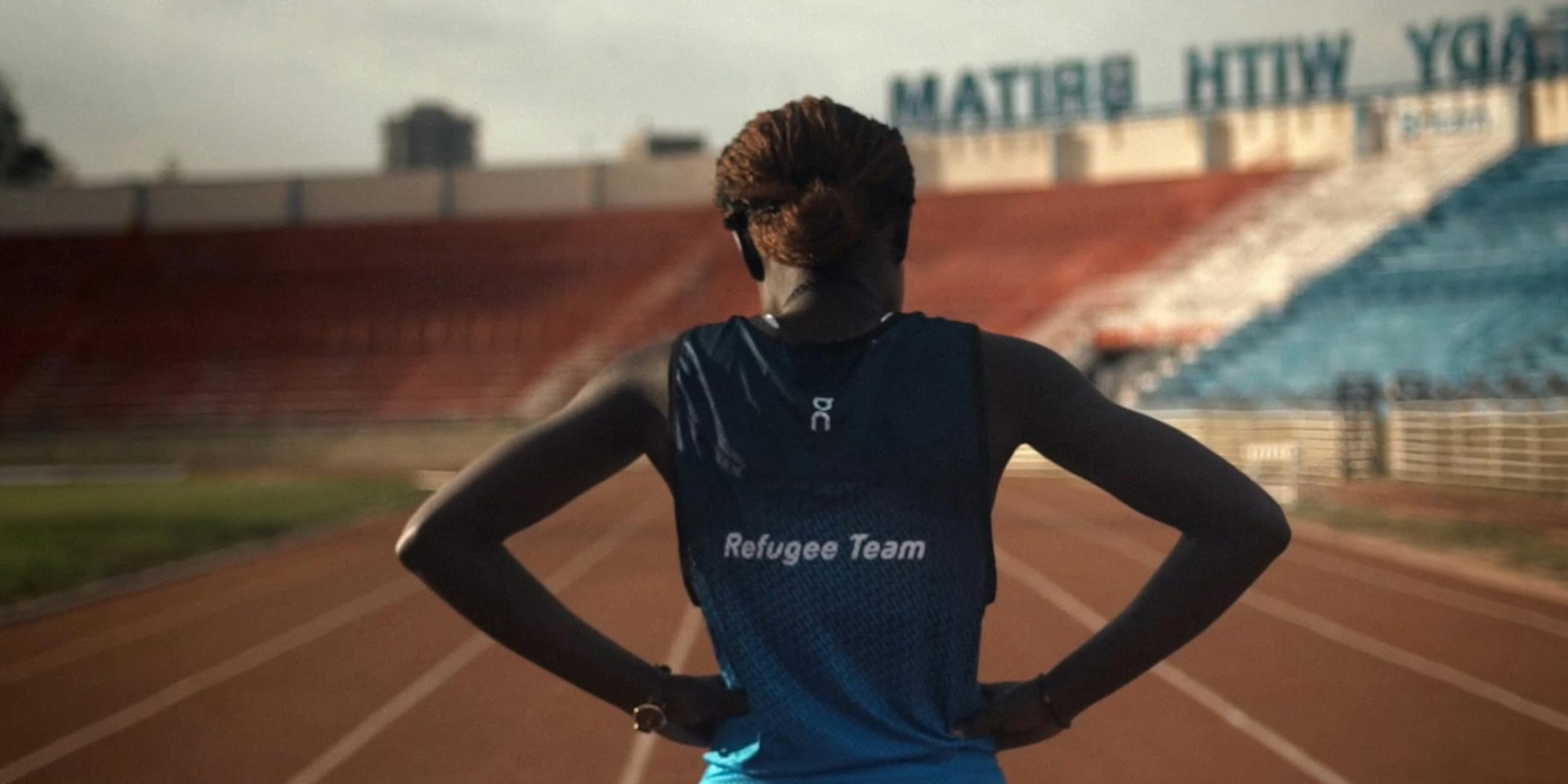
Indeed, identity is the theme weaving its way throughout these commercials, just as it's the defining dynamic in today's anxious U.K. Some of the explorations of identity are gender-based, including a splendid spot by Nike created for the Russian market. In it, a young girl in formal dress alights a stage and asks in song, "What are our girls made of?" After sweet lyrics about flowers, rings, gossip and marmalade, a series of female athletes appear, empowering the girl to instead sing of perseverance, strength, other signifiers of grit. "You are what you do. Believe in more," the spot finishes, with words that might embody the Arrows' body of work itself.
The youth in Nike's ad is served in several others, too, and, as with every Western society, the young themselves, if not always their anxious elders, expect and accept the diversity that accompanies age. This goes all the way down to toddlers in a BBC kids' channel spot. "What makes you two different?" a series of kids are asked. Adults may reflexively focus on the immediate gender, racial and ability differences, but the kids precociously and preciously answer with more individual identifiers, like liking lettuce or being good at tag.
The spot ends with: "When it comes to difference, children see things differently. CBeebies: Everyone's welcome." That's of course not always the case in coarsened Britain, or anywhere else contending with rapid transformations of their populations. But the adverts actually pull people together, said Charlie Crompton, who chairs the Arrows' board. "In a sense we're all watching the same thing and we can be together," said Crompton, who along with Arrows' managing director, Janey de Nordwall, will introduce the Arrows reel at Friday's premiere. The Arrows ads can confirm that "we do need immigration," Crompton continued. "Reminding the Brits that the people who come into this country made it what it is, the great multicultural place the country is."
This modern mosaic is reflected in an increasing number of spots, even compared to recent reels screened at the Walker, said de Nordwall, who added that "what's quite interesting is the way we craft and create our commercials over here. They can be used as really powerful tools to make people think and question — not only just to sell a product, but actually use it as some good, as well."


