

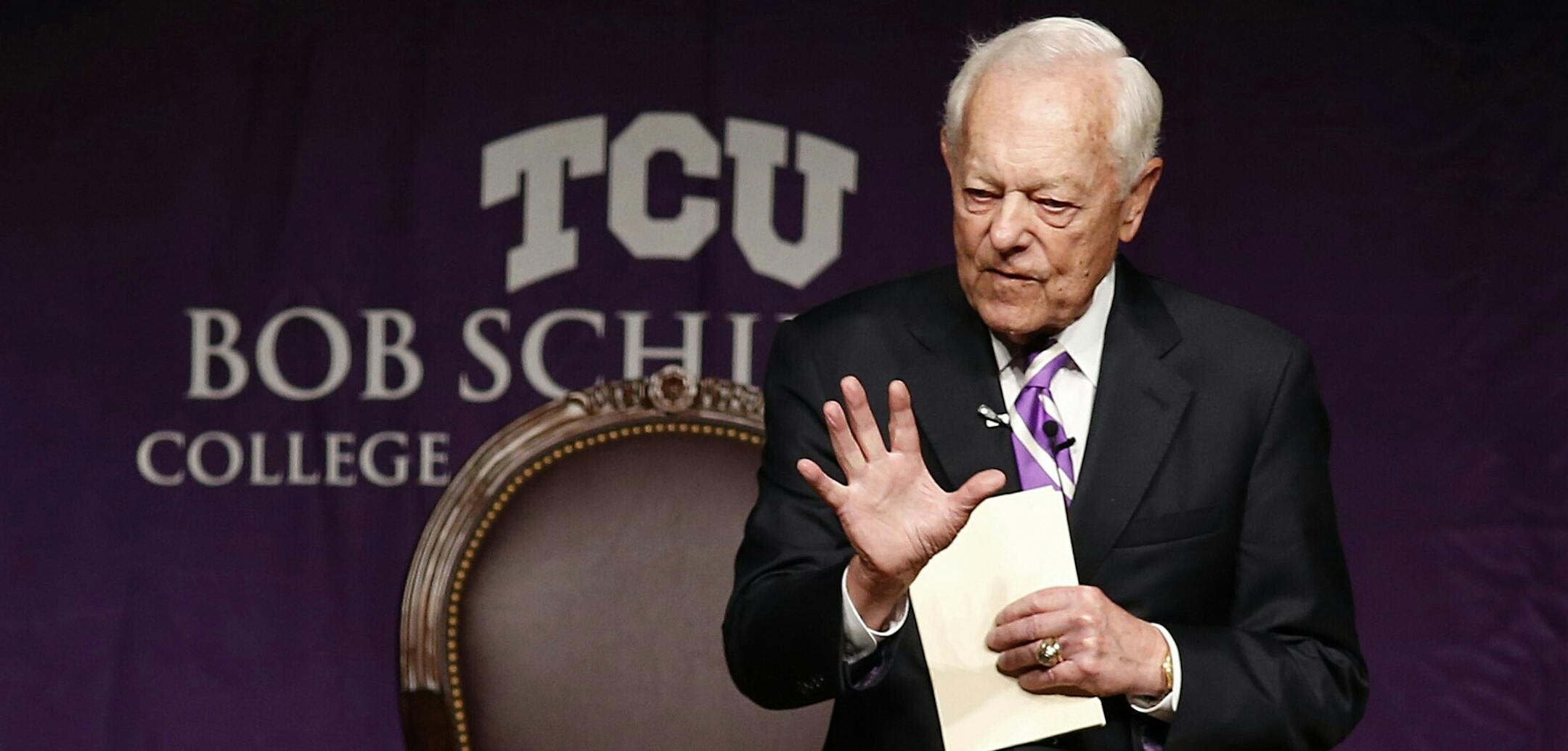
Veteran CBS newsman Bob Schieffer, busy reminiscing these days as his retirement approaches, paused during a recent "Face the Nation" broadcast to reflect on bygone days as a cub police reporter — the "best training" for a journalist "or anything else," he said.
Schieffer wanted to add something "to the rash of stories lately about cops gone wrong." He worried that people who have never seen cops' everyday reality up close can easily "overlook … just how difficult [it] can be" to deal humanely, as cops must, even "with the dregs of our society — the schemers, the murderers, those who prey on the weak."
It takes "a lot of professional training and strong character not to respond in anger," Schieffer added. "I know, because I spent my early years listening to some of these awful people. Sometimes I wanted to hit them myself."
Schieffer's candor adds more to the "cops gone wrong" discussion than just another platitude about how tough officers' job is and how most of them do it well. He confirms a worrisome truth.
It's the daunting reality that what we really need is for each and every cop to be an exceptional, even an improbable, kind of person.
We need cops to be abnormally capable of both aggression and restraint. They must be people with above-average physical courage — folks who won't flinch from "mixing it up" and applying force when "awful people" (or just awfully mixed-up people) make force necessary.
But at the very same time, while making split-second decisions under duress, cops must be unusually calm, prudent and in control of their emotions — especially fear and, as Schieffer says, anger.
Quite a job description. It's obvious we can't expect perfection, and equally obvious we're not getting it.
![(left) Minneapolis Police Chief Janee Harteau talked to the media after she held a closed door meeting with community leaders on how to improve community relations with the police deptment. This is in response to recent incidents in Green Bay involving Minneapoils cops. The meeting was held at Harteau's office in city hall on 8/7/13.] Bruce Bisping/Star Tribune bbisping@startribune.com Janee Harteau/source.](https://arc.stimg.co/startribunemedia/VQGAAUHUOAXTYJT3MFIARN4W6I.jpg?&w=1080)


