

For years, "broken windows" policing — the idea that the best way to prevent serious crime was to enforce laws against petty crime — was derided by critics as unnecessary, unjust, even racist. So cities across America pulled back from prosecuting the supposedly small stuff, like shoplifting.
Now we've seen a jump in violent crime.
Criminologists can debate the causes of the new crime wave. But many people intuitively understand that places in which decay and disorder become the norm are places where crime tends to thrive. That's because crime is largely a function of environmental cues — of the palpable sense that nobody cares, nobody is in charge, and anything goes.
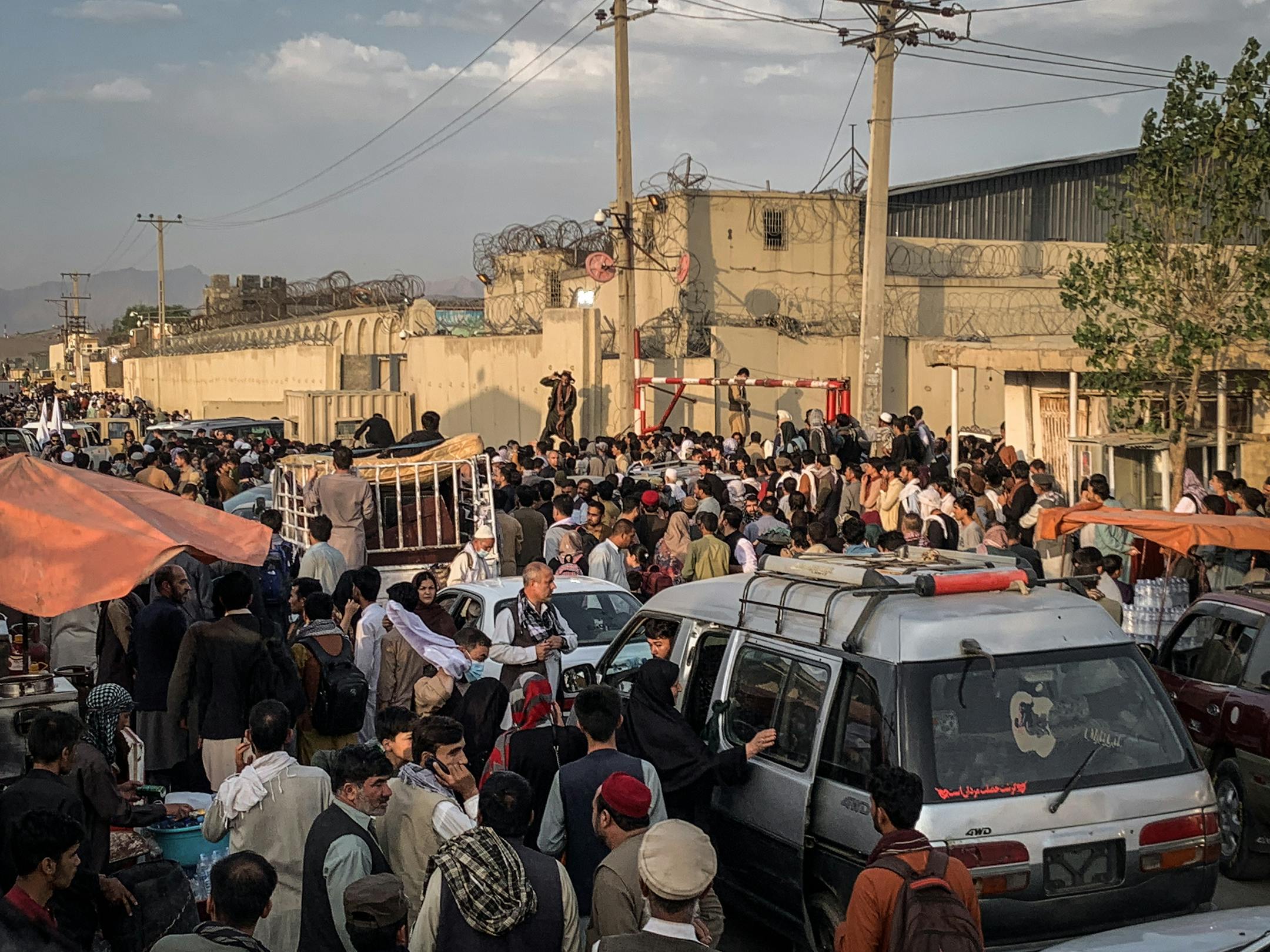
We now live in a broken-windows world. I would argue that it began a decade ago, when then-President Barack Obama called on Americans to turn a chapter on a decade of war and "focus on nation-building here at home," which became a theme of his re-election campaign.
It looked like a good bet at the time. Osama bin Laden had just been killed. The surge in Iraq had stabilized the country and decimated al-Qaida there. The Taliban were on the defensive. Relations with Russia had been "reset." China was still under the technocratic leadership of Hu Jintao. The Arab Spring, eagerly embraced by Obama as "a chance to pursue the world as it should be," seemed to many to portend a more hopeful future for the Middle East (though some of us were less sanguine).
Review some of what's happened since then.
We vacated Iraq in 2011. But instead of getting peace, we got the horror of ISIS, forcing us to send back troops and fight a war that has lasted for years, cost thousands of civilian lives and led to the displacement of more than 3 million people.
We declared in 2012 that Bashar Assad's use of chemical weapons would cross a red line and lead to a decisive U.S. response. At least as of 2018, he was still gassing his own people. We've mostly ceased to notice.


