6:12
6:12A sign on the locker room doors at Bloomington Jefferson jumped out at Tom Dasovich. Big, bold, underlined words, in all capital letters, some of them underlined for emphasis:
"Treat every conversation you have on TWITTER or FACEBOOK as if it were a NATIONALLY TELEVISED PRESS CONFERENCE."
The Minnetonka boys' basketball coach spotted the note during his team's recent visit and snapped a picture on his phone. Then he posted it on Twitter with the message "Players take note." Nearly half of his 173 followers retweeted or favorited the message.
Such warnings have become a staple of high school team meetings and huddles at practice, joining longstanding warnings about alcohol and drug use.
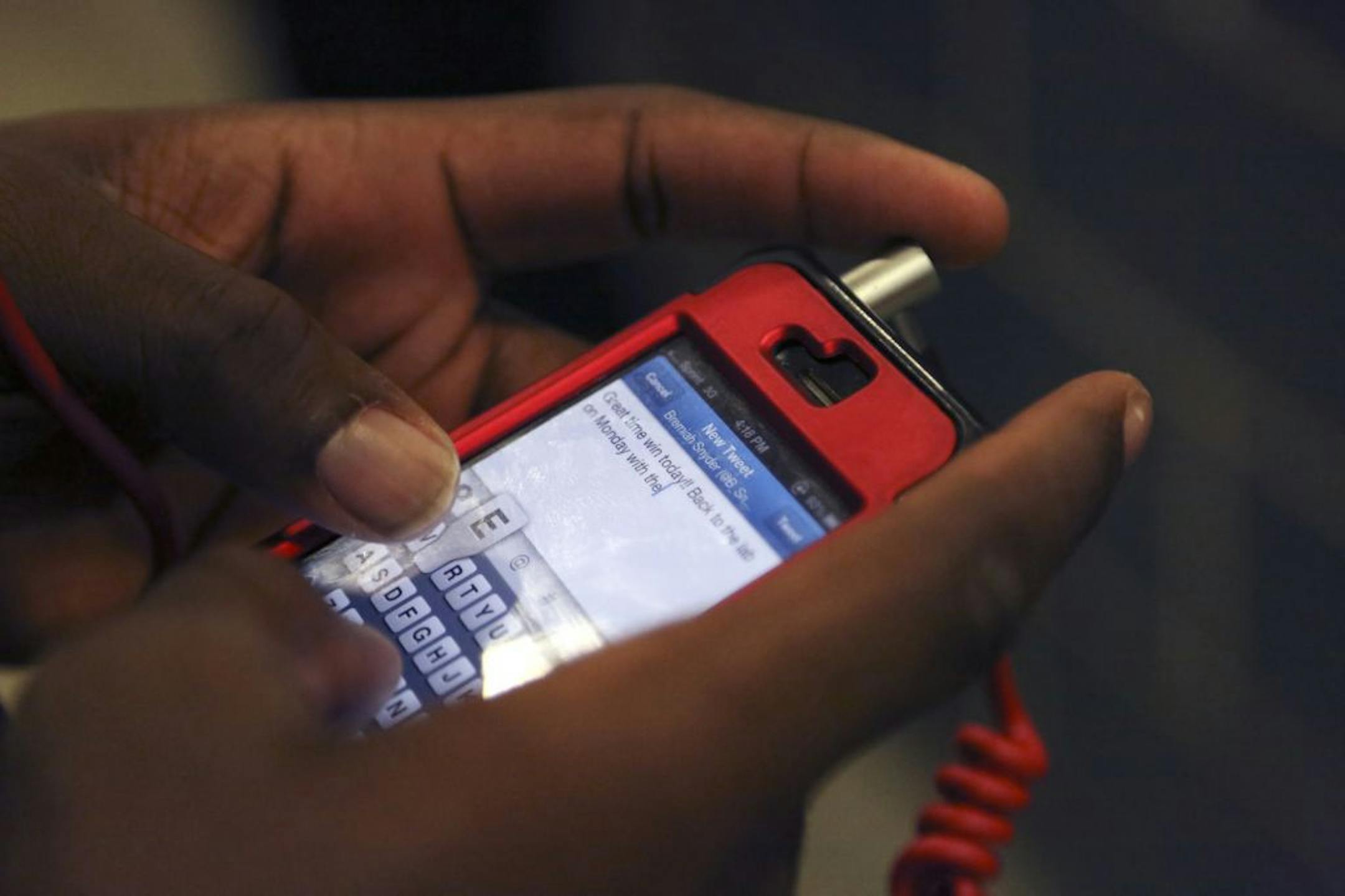
With teenagers communicating, venting and celebrating with the lightning speed of social media, coaches and athletic directors are scrambling to cope with and limit negative effects of controversial tweets, posts or photographs. Fears of defamation, suspensions, forfeitures and team chemistry issues have led some coaches and administrators to fight the use of Twitter and Facebook by their athletes.
Others, such as Dasovich, are embracing the reality that teenage athletes will find ways to keep their social status up to date.
He manages two Twitter accounts and encourages his players to use them to follow team news and events. He also monitors or trolls through his players' tweets, on the lookout for anything that could taint the Minnetonka name.
"I thought about getting one of those teachable moments out of it," Dasovich said of posting the locker room door message. "Helping kids navigate that world, I think, is important. [Proper use of social media] is a big issue with schools and teams."