Become a pasta pro with these 3 books and recipes

Master the art of fresh pasta or just level up that box of pasta in the pantry while learning the proper way to sauce and serve the classic cuisine.

The Minnesota Star Tribune
January 28, 2026 at 4:00PM
Chef-quality Spaghetti alla Carbonara is in reach, thanks to help from chef Marc Vetri's "The Pasta Book." (Ed Anderson/Provided by Clarkson Potter)

The boxes of pasta that line supermarket aisles have long been a busy cook’s best friend, a trusty solution to quick weeknight meals.

Dried pasta will always be a pantry soldier, but it’s fresh pasta that’s having a moment. While local restaurants are putting new twists on the Italian staple, several new books are urging home cooks to do the same. They all start with the basics, but will eventually nudge you out of your comfort zone. Here are three that caught our eye.
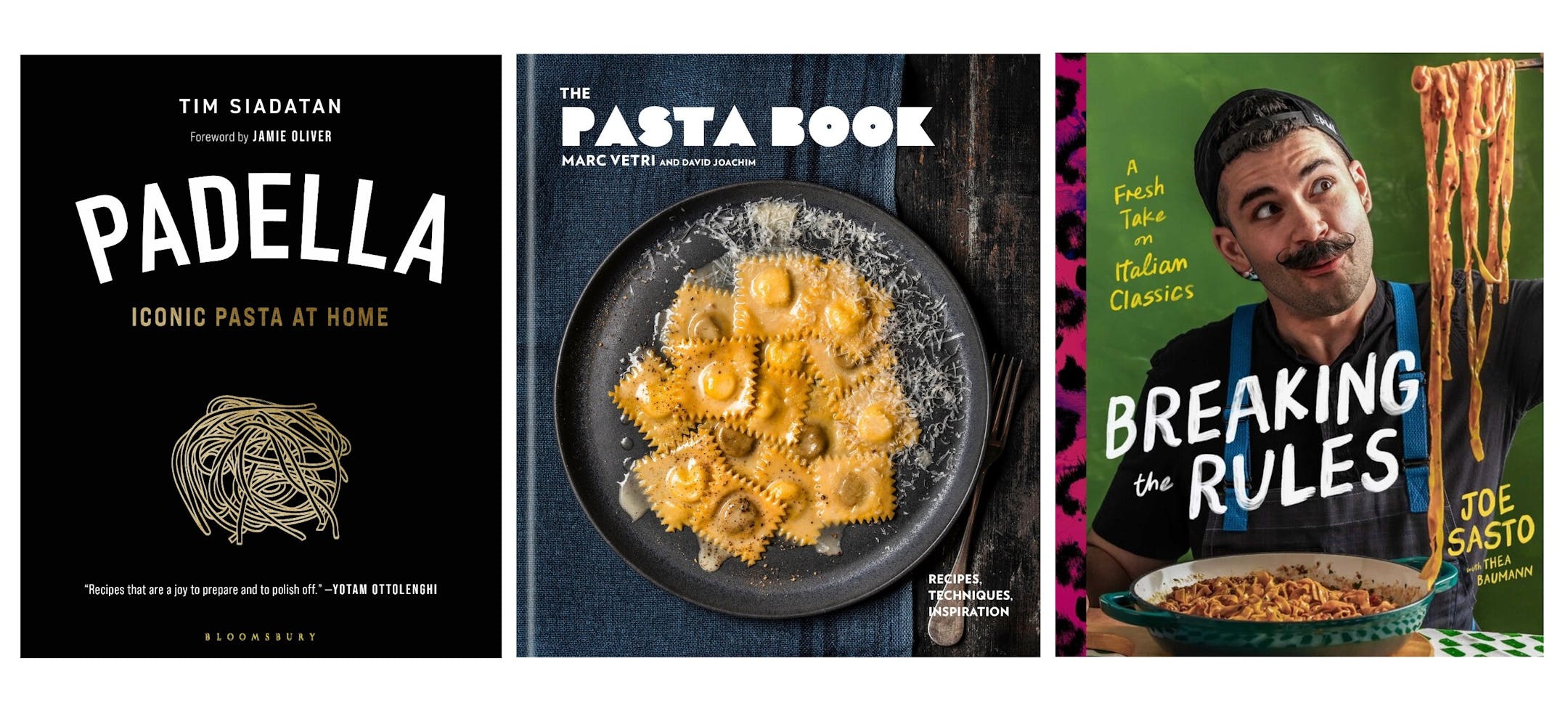
A trio of new pasta books: "Padella: Iconic Pasta at Home" by Tim Siadatan, "The Pasta Book" by Marc Vetri and "Breaking the Rules: A Fresh Take on Italian Classics" by Joe Sasto.

For the pasta buff

The book: “Padella: Iconic Pasta at Home,” by Tim Siadatan (Bloomsbury, $40)

The twist: This sleek book shares recipes from Siadatan’s popular London pasta restaurant Padella and amplifies the chef’s philosophy that to prepare pasta is to show love. It’s filled with tips to help take pasta to the next level, from the best way to melt Parmesan to always serving pasta on warm plates. The recipes in each chapter — everyday, slow, special, filled and fresh — are rich with flavor and knowledge, allowing cooks to serve up restaurant-quality dishes at home. Pasta novices can look to “Padella” for guidance; those with more experience will be inspired. Many recipes use dried pasta, so making your own isn’t crucial. But if you haven’t given it a whirl, you’ll want to after reading this. Agnolotti, tortellini and pappardelle will never taste so good.

Recipe to try: Tagliarini with Crab, Chile, Lemon and Parsley

For the visual cook

The book: “The Pasta Book,” by Marc Vetri (Clarkson Potter, $37.99)

The twist: Behind “The Pasta Book” is the belief that anyone can enjoy the magic of pasta at home. Vetri, a prominent Philadelphia chef, opened Fiorella pasta bar just as the pandemic hit in 2020. He quickly pivoted to selling sauces and fresh pasta, and made video tutorials for customers on how to prepare it. That became the inspiration for this book, which also gleaned plenty of delicious material from the chef’s longstanding decades-old restaurant, Vetri Cucina. The vibrant book is full of crucial tips and personality — the 10 Commandments of Pasta alone is worth it — before you even get to the main event. Start with recipes like Spaghetti alla Carbonara and work your way up to Crab Cannelloni with Saffron. Visual learners will appreciate the abundance of photos and QR codes linking to how-videos. You’ll be a pasta pro in no time.

Recipe to try: Spaghetti alla Carbonara
For the all-around cook

The book: “Breaking the Rules: A Fresh Take on Italian Classics,” by Joe Sasto (Simon Element, $35)

The twist: The Food Network star goes beyond pasta and breathes new life into many go-to dishes, from focaccia and pesto-rubbed sweet corn to mains and desserts. Beginning and advanced cooks will both find a lot to love, with easy substitutions and a “break the rules” element with each recipe that encourages leveling up. (Why not make your own sausage?) Sasto’s fun, approachable style shines bright in the recipes and the writing. Yes, you’ll learn how to make pasta, but you’ll also be emboldened to try to stuff it with chicken Parmesan and make pistachio calzones for dessert. It’s the full-meal deal, and already a go-to in my kitchen.

Recipe to try: Pasta alla Norcina

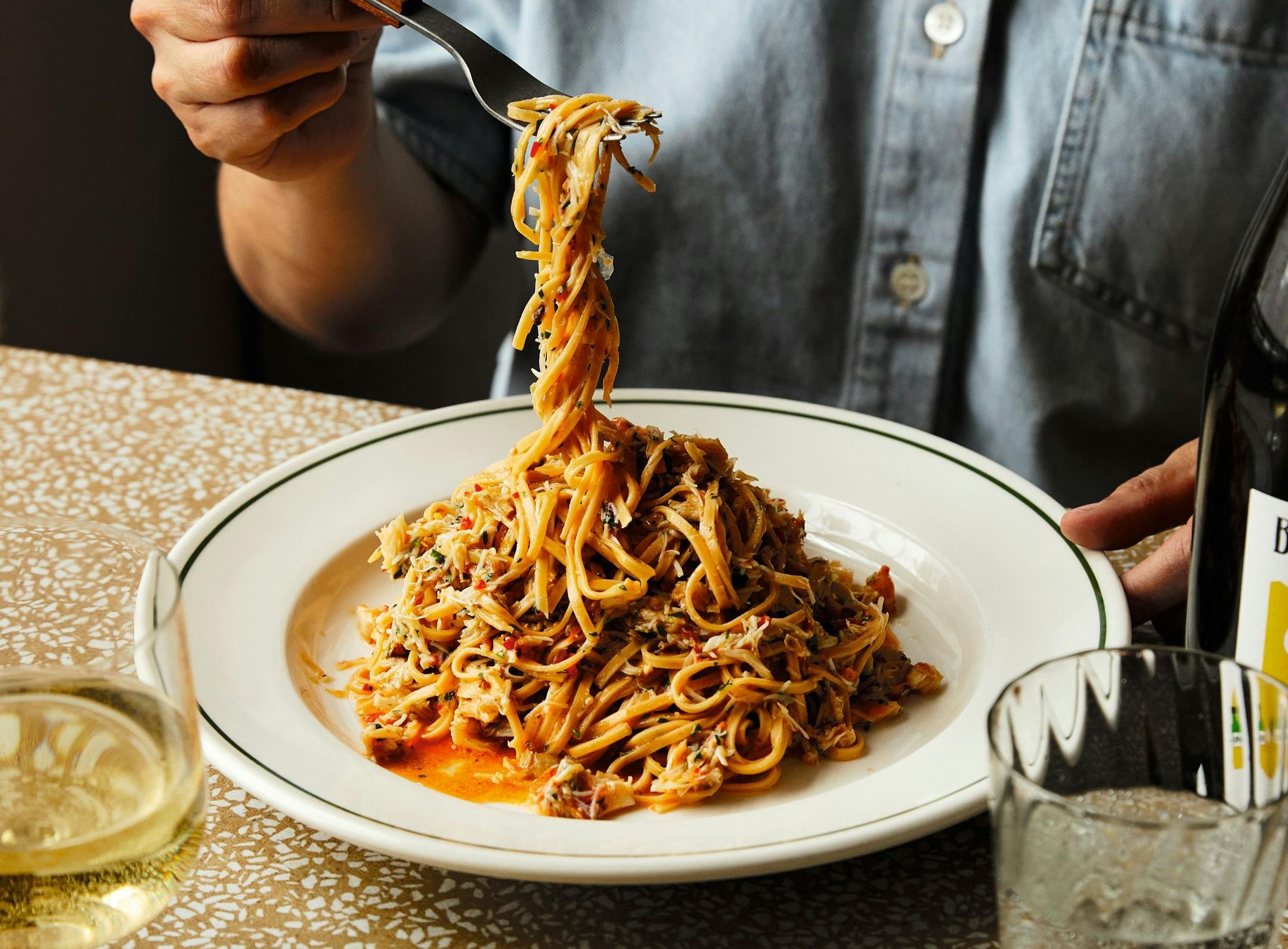
Tagliarini with Crab, Chile, Lemon and Parsley is a signature dish at Padella in London. You can splurge and make it in your own kitchen with help from Tim Siadatan's "Padella: Iconic Pasta at Home." (Sam A Harris/Provided by Bloomsbury)

Tagliarini with Crab, Chile, Lemon and Parsley

Serves 4.

This rarely comes off the menu at the London restaurant Padella, and uses a mix of delicate sweet white crab and creamy brown crab meat, which gives a much fuller shellfish flavor. With all creatures from the sea, fresh is best — especially crab. Brown crab meat (from the body) can be difficult to find, but try a seafood market that sells freshly picked crab. From “Padella: Iconic Pasta at Home,” by Tim Siadatan (Bloomsbury, 2025).

  • 1 lb. (450 g) fresh tagliarini or fettuccine or dried linguine, spaghetti, bucatini
    • 10 oz. (300 g) fresh lump crab meat
      • 6 oz. (150 g) fresh brown crab meat, or extra lump crab
        • 2 heaping tbsp. finely chopped red chile, seeded
          • Finely grated zest and juice of 1 lemon
            • 2 heaping tbsp. finely chopped Italian parsley
              • About ⅔ cup high-quality extra-virgin olive oil, plus extra to finish
                • Sea salt and freshly ground black pepper

                  Directions

                  For the pasta, in a large cooking pot, bring 4 to 5 quarts of water to a boil and add a fistful of salt.

                  In a large bowl, mix the white and brown crab meat (if using) together with the chile, lemon zest and juice, chopped parsley and about ⅔ cup extra-virgin olive oil. Season with salt and pepper to taste.

                  Transfer the crab mixture to a pan large enough to easily hold the cooked pasta as well and add a small ladle (¼ cup) of the seasoned pasta water. Stir (turn off the heat) to combine; the hot pasta water will warm the crab through.

                  Loosen the pasta bundles through your fingers so they won’t stick together as they cook. Drop the pasta into boiling water and cook for about 1 to 1½ minutes. (The cooking time will be longer if using dried pasta.) Drain the pasta as soon as it’s ready, reserving 2 cups of pasta water.

                  Add the pasta to the crab mixture with ½ cup of pasta water. Stir vigorously over medium heat for about 1 minute until all the crab is coated around the pasta and the sauce has thickened. You might need to add splashes of the reserved pasta water to loosen the sauce if it becomes too dry. Add just enough to get the consistency of the sauce right; if it’s too thin, you’ll end up overcooking the delicate crab as you reduce the sauce. Taste and adjust the seasoning with salt and/or pepper if required.

                  Divide the pasta between hot plates, drizzle with extra-virgin olive oil and eat immediately.

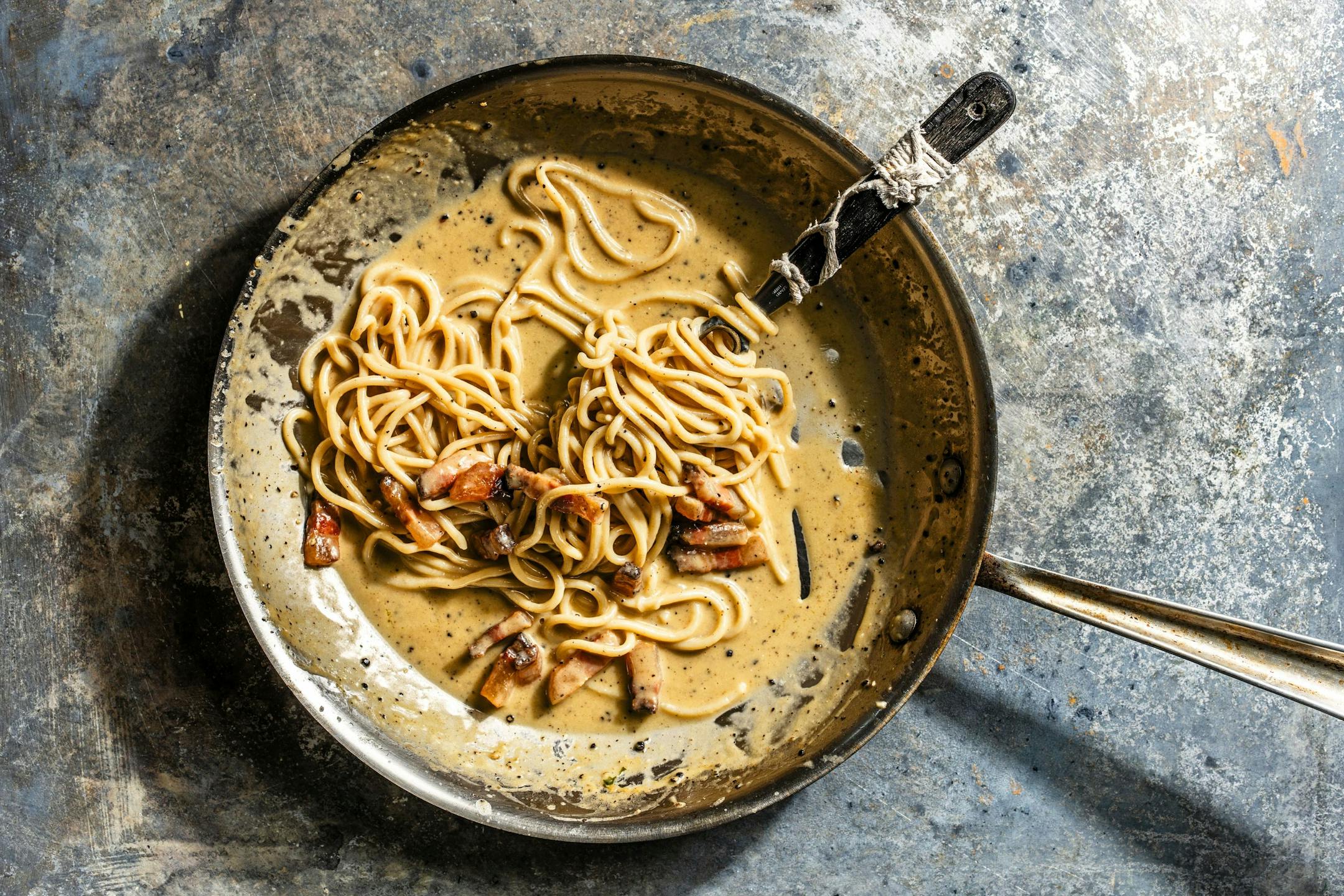
                  Learn to make Spaghetti alla Carbonara with confidence from chef Marc Vetri's comprehensive "The Pasta Book." (Ed Anderson/Provided by Clarkson Potter)

                  Spaghetti alla Carbonara

                  Serves 4 to 6.

                  At one of my pasta classes, there was a sweet couple that had just returned from Rome. The gentleman told me he loved carbonara so much he ordered it at every restaurant they visited. He said that no one in America can make that pasta correctly and almost sheepishly asked if I had a good recipe. I said to him, “Let’s make it right now!” After everyone enjoyed their creamy pasta with oohs and aahs, the gentleman looked up and said, “I guess there is good carbonara in America!” From “The Pasta Book,” by Marc Vetri (Clarkson Potter, 2025).

                  • Kosher salt
                    • 12 oz. dried spaghetti
                      • 2 large eggs
                        • 3 large egg yolks
                          • 6 generous tbsp. finely grated Parmesan cheese, plus more for garnish
                            • 6 generous tbsp. finely grated pecorino cheese, plus more for garnish
                              • 1 tbsp. coarsely cracked black pepper
                                • 11 tbsp. (5½ oz.) unsalted butter, cut into pieces
                                  • 3 oz. guanciale, pancetta or thick-cut bacon, cut into short strips ¼- to ½-inch thick

                                    Directions

                                    Bring a large pot of water to a boil and add salt until it tastes like well-seasoned broth. Drop in the spaghetti, give it a stir, and cover the pot to quickly return the water to a boil. Uncover or partially cover to maintain the boil and boil the pasta, stirring occasionally, until it is tender but still a little chewy when bitten, 10 to 12 minutes.

                                    While the pasta water comes to a boil, in a medium bowl, lightly beat the whole eggs and egg yolks. Stir in the Parmesan, pecorino and pepper. Set aside.

                                    In a deep 12-inch sauté pan, melt the butter over medium heat. Add the guanciale and cook, stirring occasionally, until the fat renders and the guanciale is golden brown, 3 to 4 minutes, watching the heat so the butter doesn’t burn. (If the butter begins to burn, quickly pour it off and add fresh butter to the pan.) Add 1¼ cups of the pasta water to the pan. Bring to a simmer over high heat and simmer until it reduces in volume a bit, 1 to 2 minutes.

                                    When the pasta is ready, use tongs or a spider strainer to scoop the cooked spaghetti from the water and transfer it straight to the pan. Add another 1¼ cups hot pasta water and shake and swirl the pan until the sauce thickens a bit more and begins to hug the pasta, 1 to 2 minutes (keep the pasta moving, adding a little more pasta water if necessary to create a loose, somewhat thin sauce). When the liquid in the pan is still pretty loose, take the pan off the heat and keep tossing while gradually adding the egg mixture a little at a time. Continue tossing until the egg mixture thickens, adding more pasta water if necessary to create a creamy sauce. You may need to put the pan back over low heat very briefly to gently cook and thicken the egg mixture, but do not let it simmer or it will scramble. When it begins to thicken, remove from heat, taste the sauce and add salt as needed. Keep tossing until the pasta and sauce marry, leaving little to no sauce in the pan.

                                    Using tongs or a pasta fork, dish out the pasta onto warmed plates, twirling it into a mound to create some volume. Garnish with a little more grated Parmesan and pecorino if you like.

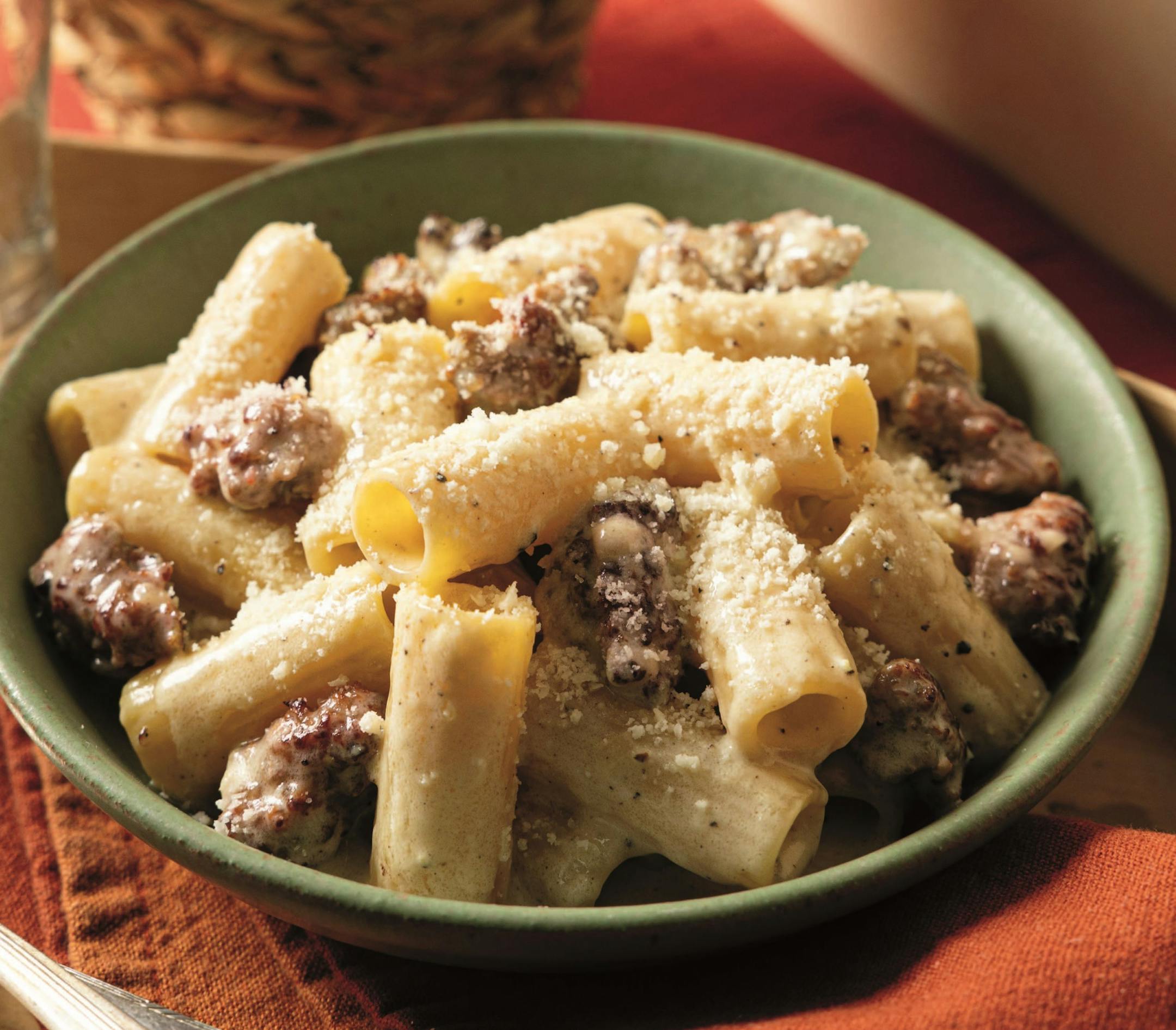
                                    Store-bought pasta makes quick work of the classic dish Pasta alla Norcina from "Breaking the Rules: A Fresh Take on Italian Classics" by Joe Sasto. (Galdones Photography./Provided by Simon Element)

                                    Pasta alla Norcina

                                    Serves 4 to 6.

                                    This dish originates from the town of Norcia in Umbria, a region in central Italy that borders Tuscany. Classically made with homemade Norcia-style sausage (which showcases wine and garlic rather than the typical fennel seed and chile flake) and fresh truffles, this creamy pasta is still delicious with store-bought Italian sausage. If you can track down truffle oil or paste (it’s available online or at most grocery stores these days), its fragrant earthiness really plays well and elevates the dish. If not, don’t sweat it; rules are meant to be broken. “Breaking the Rules: A Fresh Take on Italian Classics,” by Joe Sasto (Simon Element, 2025).

                                    • 1 lb. dried pasta, such as rigatoni or cavatappi
                                      • ¼ c. extra-virgin olive oil
                                        • 1 lb. mild Italian pork sausage, casings removed
                                          • 2 large shallots, minced (about ¾ c.)
                                            • ⅔ c. white wine
                                              • 1 c. heavy cream
                                                • 2 tbsp. unsalted butter
                                                  • 1 tsp. (or more to taste) truffle paste or oil, optional
                                                    • 1 c. freshly grated Parmigiano-Reggiano, plus more for serving
                                                      • ¾ c. freshly grated Pecorino Romano, plus more for serving
                                                        • Kosher salt and freshly ground black pepper

                                                          Directions

                                                          Place the pasta in a large, wide pot with a lid and cover with cold water (you want a ratio of 4:1 water to dried pasta). Season with salt, cover with the lid and bring to a boil, stirring often to avoid sticking. When the water boils, remove the lid and cook, stirring often, until pasta is al dente, about 4½ minutes.

                                                          Heat the olive oil in a large, flat-bottomed sauté pan or Dutch oven over medium-high heat. Divide the sausage into 8 even pieces, press into loose patties and cook in the hot pan until deeply caramelized on the first side, 6 to 8 minutes. Use a wooden spoon to flip the patties, then begin breaking them into small pieces. Cook until nicely browned all over, another 2 to 3 minutes.

                                                          Add the shallots and cook, stirring constantly to make sure they don’t burn, until fragrant and just starting to brown, 1 to 2 minutes. Add the white wine and cook, scraping the bottom of the pan to release any brown bits, until the raw alcohol has cooked off, 1 to 2 minutes. Stir in the heavy cream and cook, stirring often, until it has reduced and thickened slightly, 2 to 3 minutes. Reduce heat to low while the pasta finishes cooking.

                                                          Use a spider strainer or tongs to transfer the cooked pasta to the pan.

                                                          Add the butter, truffle paste or oil (if using), Parmigiano and Pecorino. Toss to combine and add starchy pasta cooking water as needed to make a smooth, creamy sauce. Season to taste with salt and pepper and serve immediately.

                                                          about the writer

                                                          about the writer

                                                          Nicole Hvidsten

                                                          Taste Editor

                                                          Nicole Ploumen Hvidsten is the Minnesota Star Tribune's senior Taste editor. In past journalistic lives she was a reporter, copy editor and designer — sometimes all at once — and has yet to find a cookbook she doesn't like.

                                                          See Moreicon

                                                          More from Recipes

                                                          See More
                                                          card image
                                                          Ed Anderson/Provided by Clarkson Potter

                                                          Master the art of fresh pasta or just level up that box of pasta in the pantry while learning the proper way to sauce and serve the classic cuisine.

                                                          card image
                                                          card image