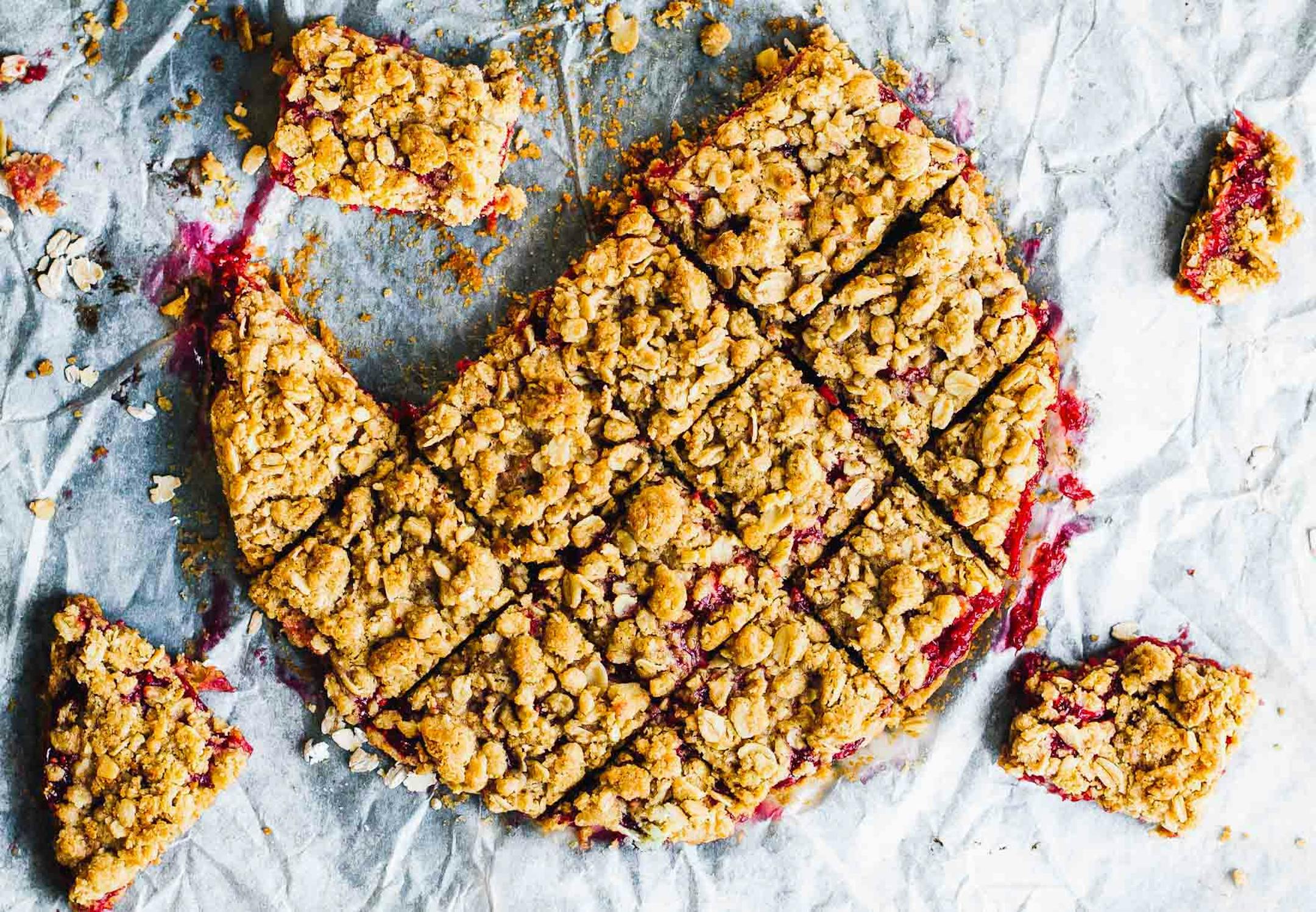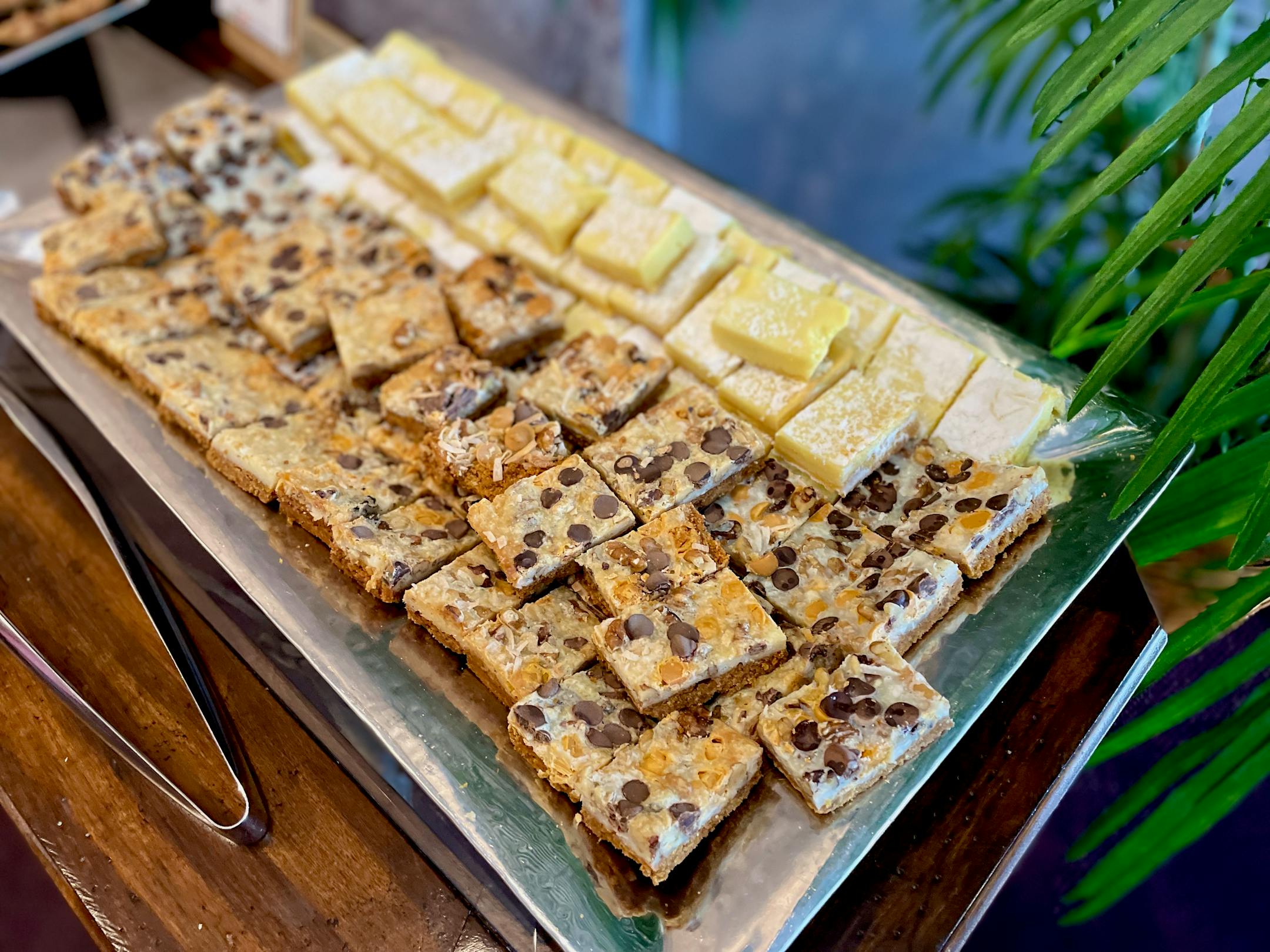
There's a secret love language that thoughtful Midwesterners possess. Whenever life turns a major page — a baby is born, a loved one is sick, a new house is set to become a home or a life is lost — we pull out a special 9-by-13.
The pros have a special cover and warming carriers for their pans, and some are engraved and colorful. But all are known in the kitchen as the sweets-only pan used for making bars.
Those not from here might not pick up on the subtle, tonal differences of the way we say "bars." But a Midwesterner knows that when the tenor is deep and the inflection lands on the "b," that we're talking about a place where grown folks drink. But a softer-said "bars" — where the "a" bleeds into "ah" and the "r" is quick and sharp, but the "s" lingers like we do on a doorstep when we drop them off — is what we bake when we want to show someone that we care.
The detail of who created the original bar has been lost to time, but bars evolved from a cookie baked free-form on a tray. It moved from the tray to a pan and was eventually christened the cookie bar. (This also answers the perennial question of whether a bar is a cookie, which surfaced when the winner of the 2020 Star Tribune Holiday Cookie Contest was announced.) Bars usually possess a biscuity, cookie-like base with an endless variety of mix-ins, toppings or layers.
The bar rose to prominence in the 1940s and 1950s, when products began adding recipes to their packaging. Bakers, often women, would clip these recipes from boxes and inside magazines to fold into recipe boxes or swap with friends. Ground zero for these recipe creations was Minneapolis, where hometown favorites Betty Crocker and Pillsbury held landmark baking contests.
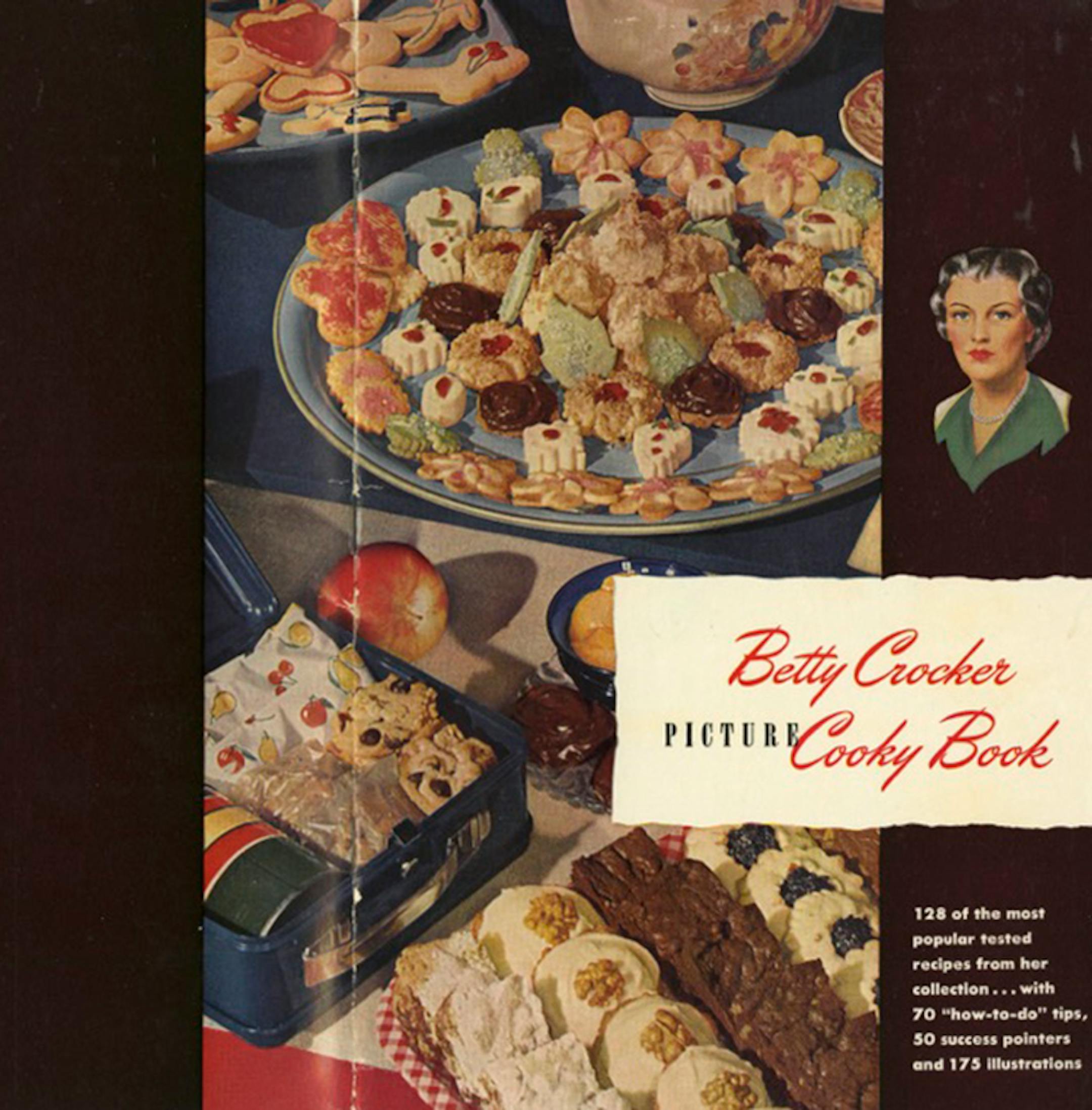
One of the first Betty Crocker bar recipes could be found in a 1948 recipe pamphlet, "Betty Crocker Picture Cooky Book," which included Date-and-Nut Squares, Toffee-Nut Bars, Hazelnut Bars and more. In 1955, Betty Crocker started selling a mix for home cooks to easily whip together their own Date Squares.
The popularity of bars rose steadily through the decades, and in 1972, Quick 'n Chewy Crescent Bars were the first bars to bring home the top prize in the prestigious Pillsbury Bake-Off. Quick Crescent Pecan Pie Bars, Chocolate Cherry Bars and Sour Cream Apple Squares all won in subsequent years, cementing the bar's legacy in lunchboxes, on kitchen tables and tucked into Christmas tins.
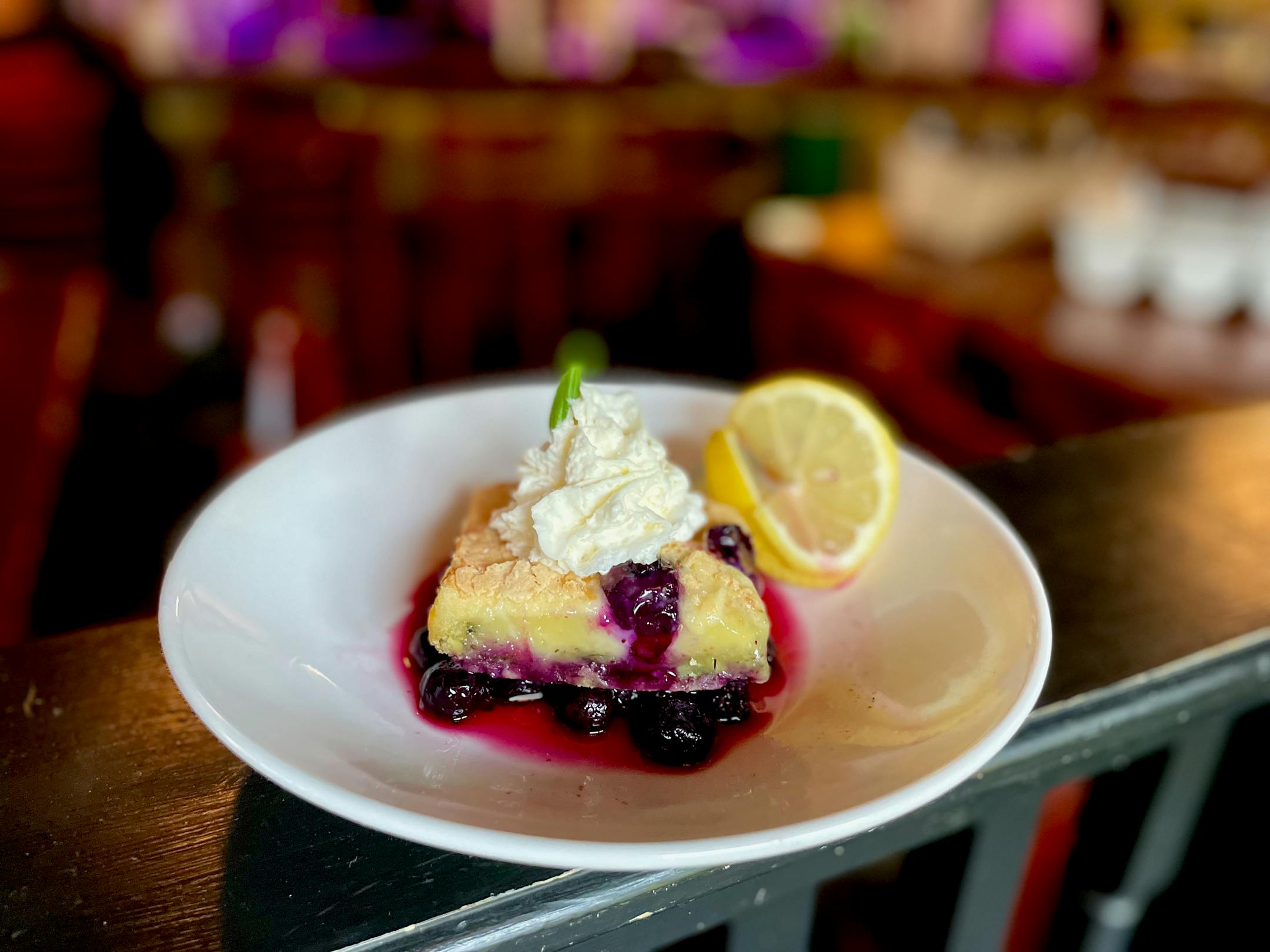
The Twin Cities can be considered the bar epicenter given that we're home to General Mills (owner of both Betty Crocker and Pillsbury) and Nordic Ware, which sells special bar-ready 9-by-13 pans. Even local restaurants recognize the importance of bars, serving them as desserts on both fancy and casual menus. Ann Kim's award-winning Young Joni offers a Church Basement Bars selection. In St. Paul, Brunson's Pub is a bar that put bars on the menu — a blueberry custard bar with an almost savory basil shortbread crust. In diners like Hen House in downtown Minneapolis or Relish in Northeast, there are Special K bars prewrapped on the counter for a quick treat to go.