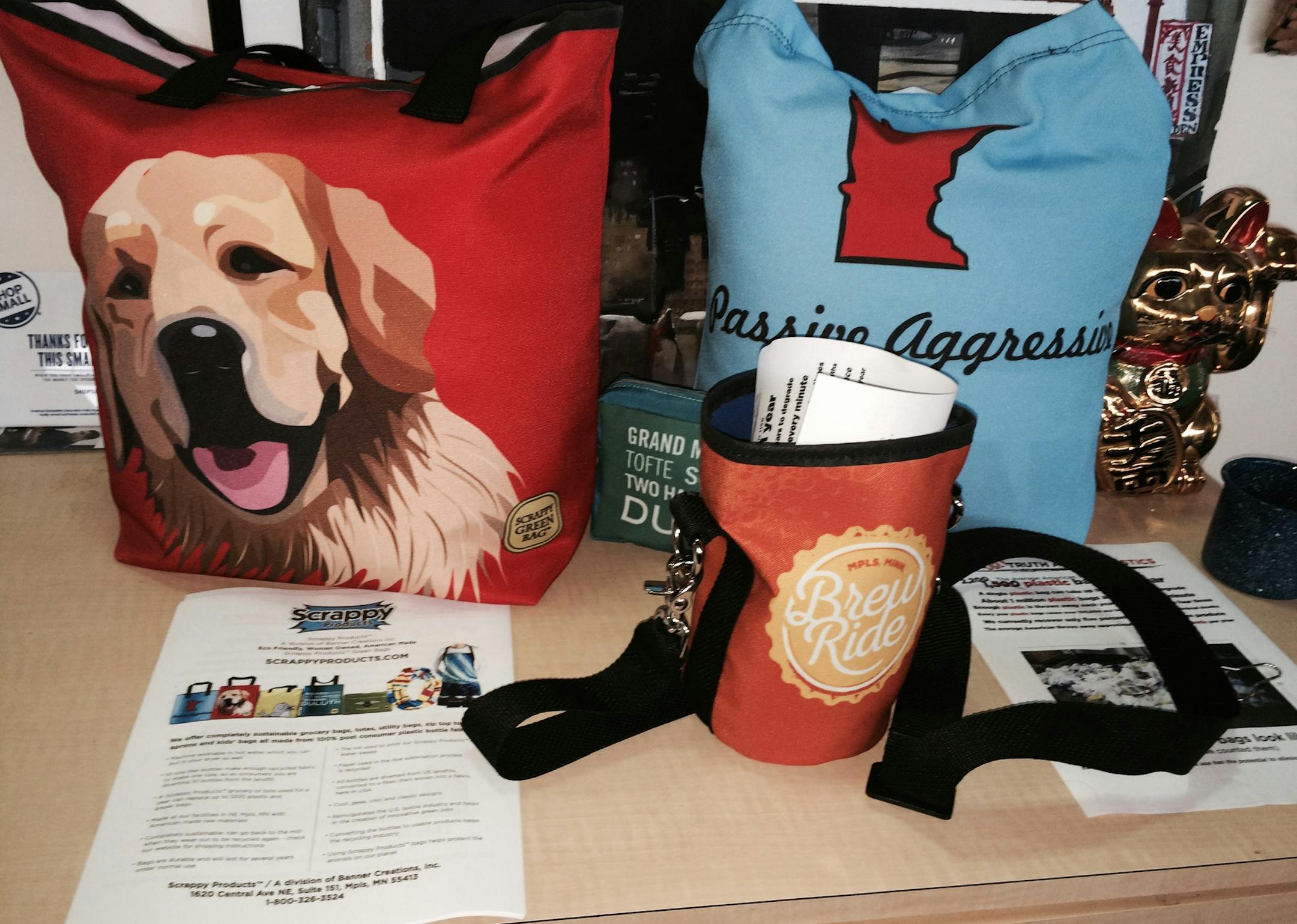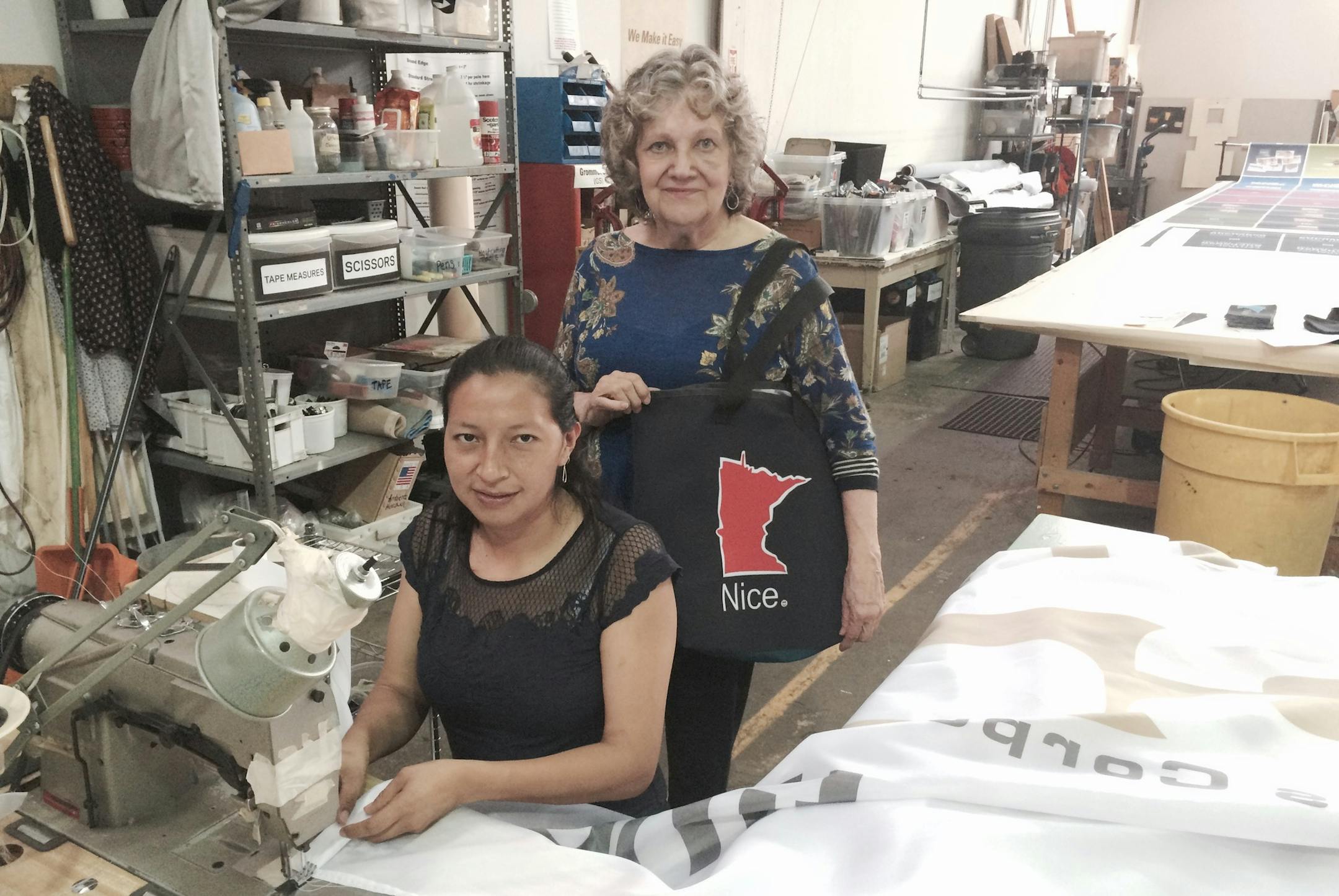
Nora Norby, president of 25-year-old Banner Creations, has restitched her business of reusable shopping bags, tablecloths and banners, despite a business decline since the Great Recession.
Her passion for a "greener" society tops her passion for green money.
Norby, 70, had to let go of a few workers after the recession. She cut her pay to $15,000 a year, much less than her remaining nine production and two salaried employees. She couldn't make ends meet without collecting Social Security.
"Even when we did well, I only made about 15 percent more than my next highest employee," Norby recalled. "My mother was a communist and I have too much Finnish blood running through me to not share. That's not a good retirement plan, I will add."
Norby is driven by mission. And it looks like business has finally turned upward after bottoming in 2013.
Norby expects, based on strong orders so far, that sales will rise this year about 15 percent to more than $800,000, thanks to growing interest in her Scrappy Products division that makes various types of tote, utility and grocery bags, scarves and aprons. It's made-in-America fabric that Norby buys from two U.S. factories that use recycled plastic jugs and bottles.
"I work because I love my product, and I do this for my three grandchildren," said Norby, a single working mom since the 1970s. She is on a double-barreled campaign to curtail throwaway plastic bags and create reusable products from containers that otherwise are landfilled or burned.
Norby's patience could yet pay off. Customer interest is growing. And a number of cities around the country have banned plastic bags. They clog recycling equipment and seem to end up as often in the street or a stream as they do in the garbage. Some grocery stores accept returned bags. Still, critics estimate that less than 5 percent of single-use plastic bags are recycled.