

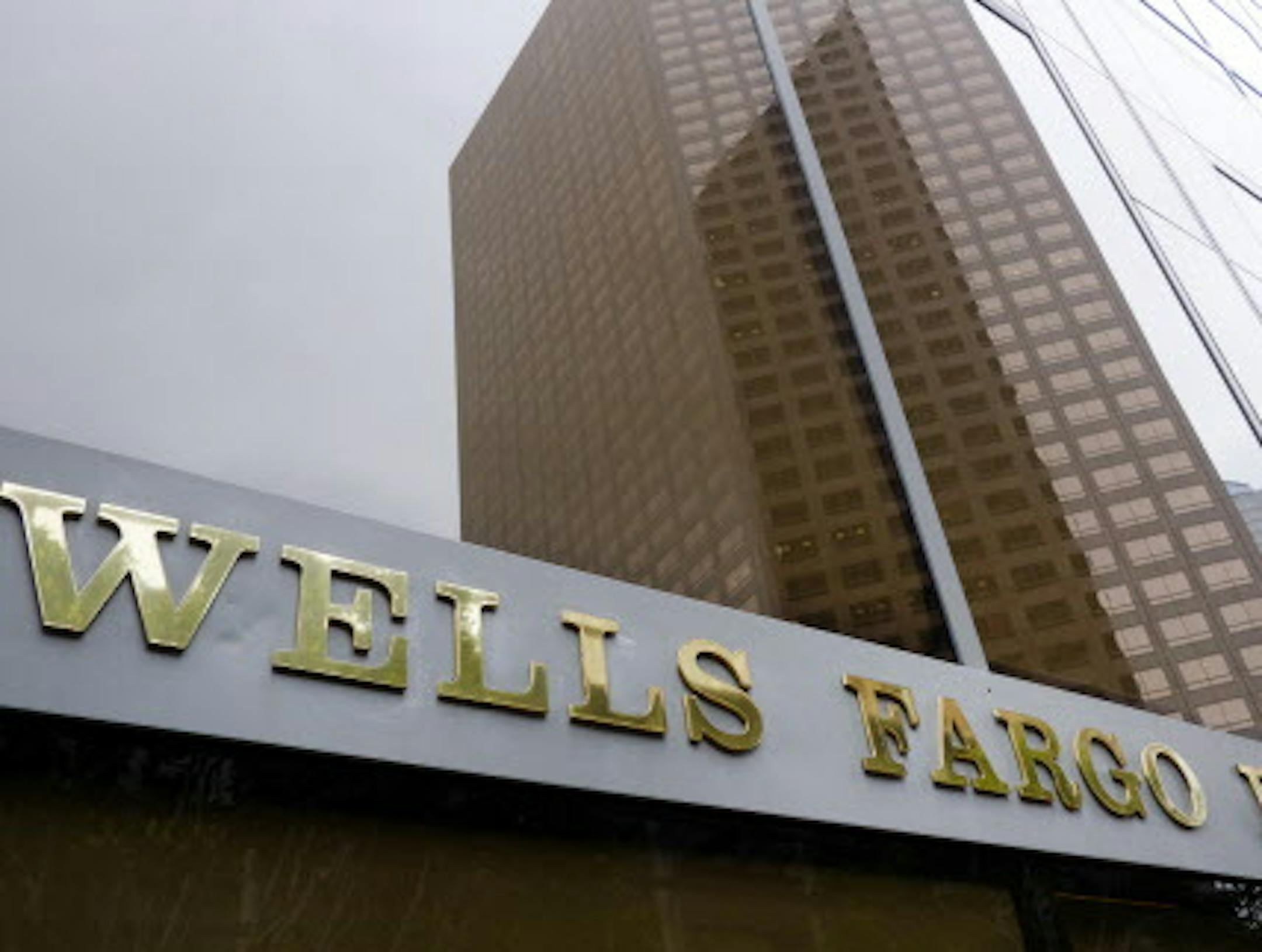
Federal regulators on Wednesday told five banks, including Wells Fargo, to come up with a better plan for their own fast, orderly bankruptcy that won't sink the financial system or require a government bailout.
The Federal Deposit Insurance Corporation and Federal Reserve Board said the resolution plans — known as "living wills" — submitted by five of the nation's eight systemically important banks were "not credible." Reviews were mixed on the other three banks.
"No firm yet shows itself capable of being resolved in an orderly fashion through bankruptcy," Thomas Hoenig, vice chairman of the FDIC, said. "Thus, the goal to end too big to fail and protect the American taxpayer by ending bailouts remains just that: only a goal."
Bank of America, Bank of New York Mellon, JPMorgan Chase, State Street and Wells Fargo must address problems in their plans by Oct. 1 or face the possibility of stricter oversight, the FDIC and Federal Reserve said.
The failing grade for Wells Fargo came as a surprise, since the San Francisco-based bank submitted a plan that passed in 2014 and is not known for risky behavior. Regulators said the bank's resolution plan contained "material errors" that "undermine confidence in resolution planning preparedness," and demonstrated insufficient progress toward preparing itself for a breakup, both legally and operationally.
In a statement, Wells Fargo said it was "disappointed" by the results. The company operates Minnesota's largest bank with 171 branches and is also a major employer with 20,000 people in the state.
"We view the feedback as constructive and valuable to our resolution planning process," the bank's statement said. "We understand the importance of these findings and we will address them."
Minneapolis-based U.S. Bancorp, which runs the nation's fifth-largest bank, is not one of the eight banks considered "systemically important," and so is not required to submit a plan for orderly bankruptcy as part of the same process.



