

In 1976, five years after independence, a book appeared called "Bangladesh: The Test Case of Development."
It was a test, the authors claimed, because the country was such a disaster that if development could be made to work there, it could surely work anywhere. At the time, many people feared that Bangladesh would not survive as an independent state.
One famine, three military coups and four catastrophic floods later, the country that former U.S. Secretary of State Henry Kissinger once dismissed as "a basket case" is still a test. But no longer in the sense of being the bare minimum that others should seek to surpass. Now, Bangladesh has become a standard for others to live up to.
In the past 20 years, Bangladesh has made extraordinary improvements in almost every indicator of human welfare. The average Bangladeshi can now expect to live four years longer than the average Indian, though Indians are twice as rich. Girls' education has soared, and the country has hugely reduced the numbers of early deaths of infants, children and mothers.
Some of these changes are among the fastest social improvements ever seen. Remarkably, the country has achieved all this even though economic growth, until recently, has been sluggish and income has risen only modestly.
Bangladesh might seem like a special case. Because of its poverty, it has long been a recipient of vast amounts of aid. With around 150 million people crammed into a silted delta frequently swept by cyclones and devastating floods, it is the most densely populated country on Earth outside city-states. Hardly any part is isolated by distance, tradition or ethnicity, making it easier for antipoverty programs to reach everyone. Unusually, it has a culture that is distinct from its religion: although most Bangladeshis are Muslims, their culture and language are shared with the non-Muslim Indian state of West Bengal. Religious opposition to social change has been mild. Not many nationalities have so unusual a collection of traits.
The female factor
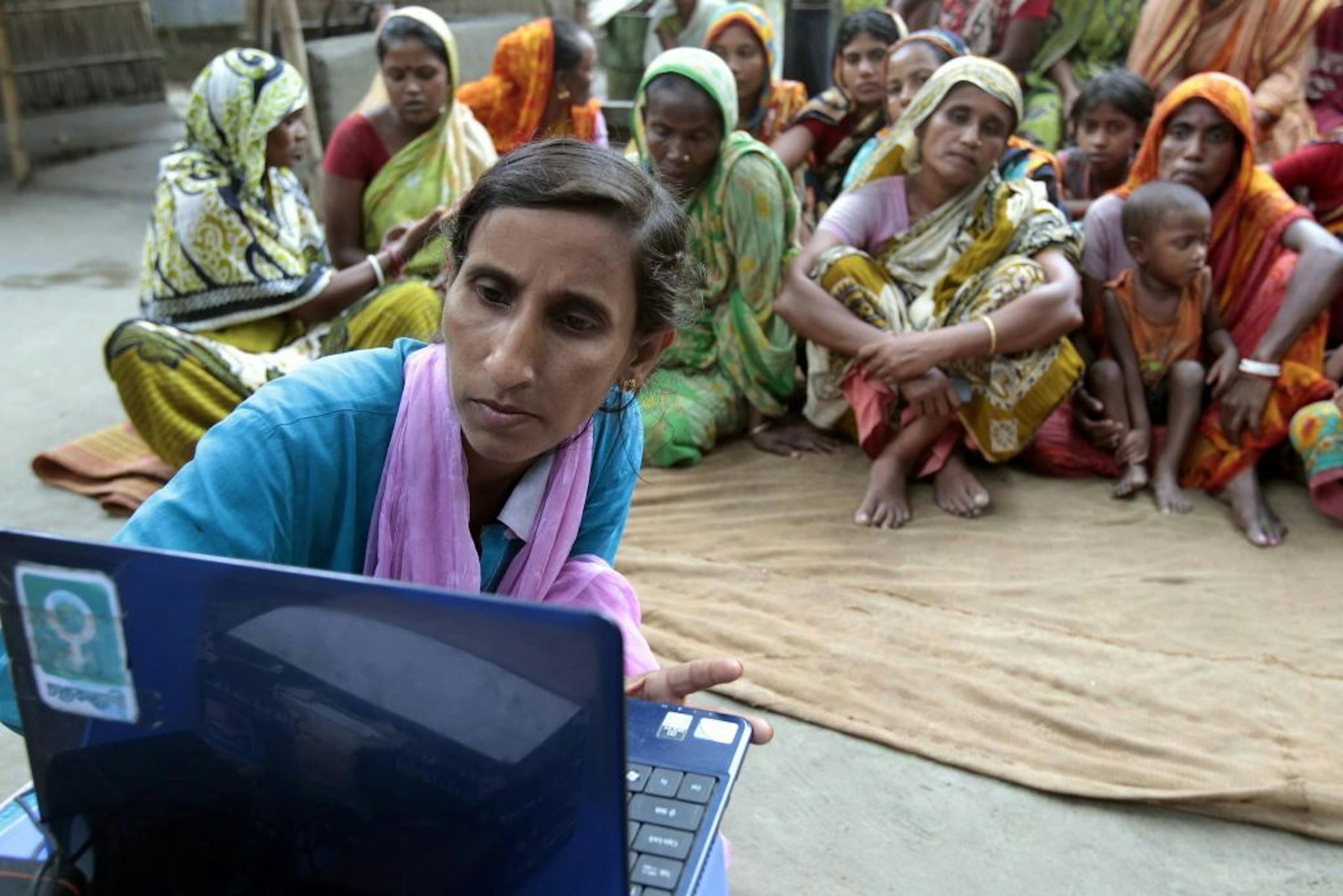
That said, the most important of the country's achievements can serve as a model for others. Bangladesh shows what happens if you take women seriously as agents of development. When the country became independent, population-control policies were all the rage (this was the period of China's one-child policy and India's forced sterilizations). Happily lacking the ability to impose such savage restrictions, the government embarked instead upon a program of voluntary family planning. It was stunningly successful. It not only halved the rate of fertility within a generation, but also increased women's influence within their own households. For the first time, wives controlled the size of families.



