

When I told Vicki Robin I wanted to visit her at her home on Whidbey Island, in Puget Sound just north of Seattle, she told me it might be difficult: She could offer me only a foldout sofa. She was renting out her guest rooms below market rate, she said, to people who needed housing.
I laughed. The woman who once famously lived with her companion on about $1,000 per month didn't want me or the Washington Post — owned by Jeff Bezos, one of the richest people in the world — to pay for a hotel?
Before the hustle economy and the "Great Resignation," there was Robin and her partner, Joe Dominguez.
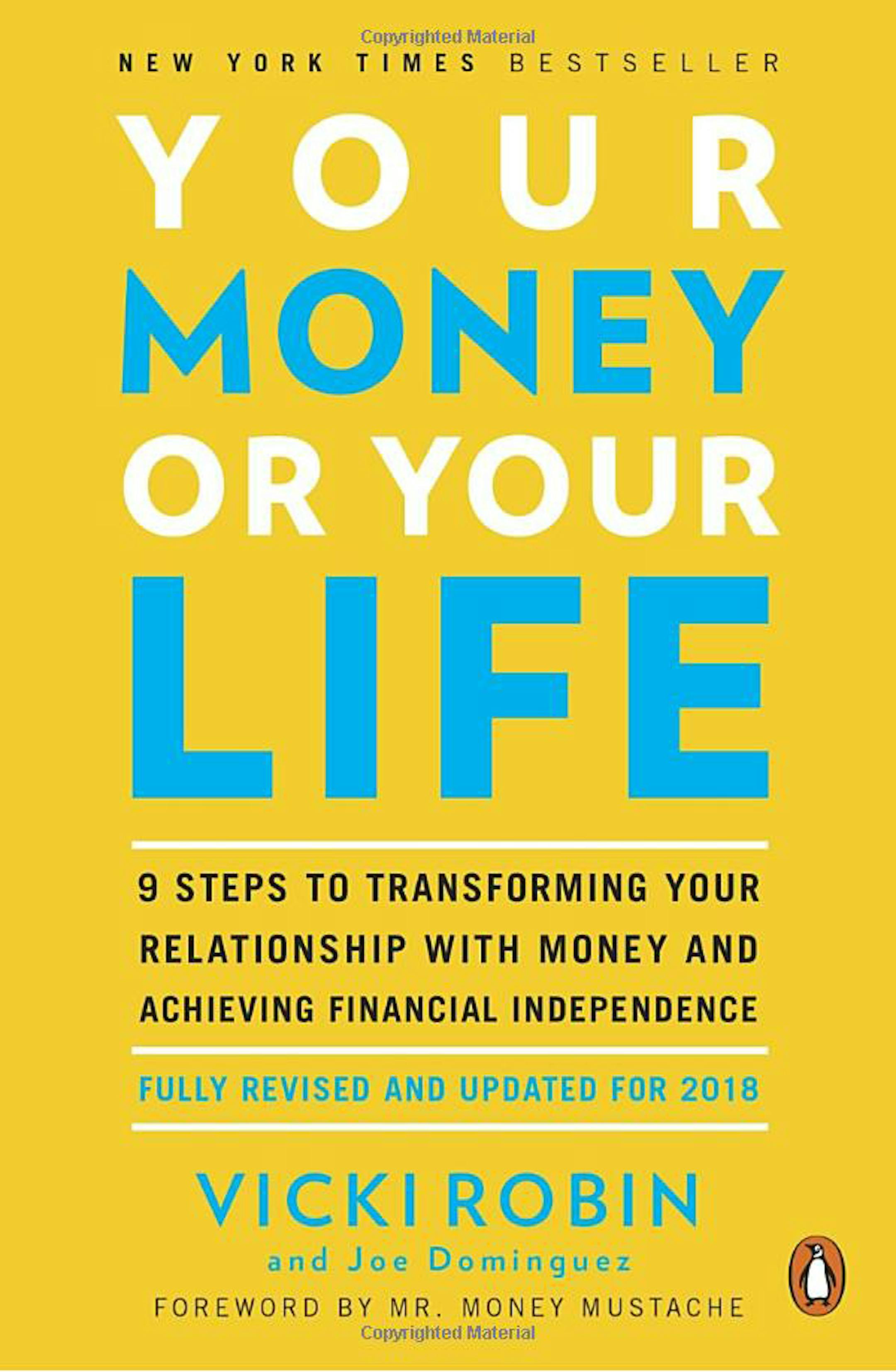
Their book "Your Money or Your Life: 9 Steps to Transforming Your Relationship with Money and Achieving Financial Independence," published 30 years ago this fall, asked us to take control of our financial and work lives by eschewing mindless spending and instead concentrating on what matters, such as family, friends and hobbies.
The book is a thought-provoking mix of common-sense financial advice, philosophical exploration and scathing critique — of both consumer culture, and the way we allow work to dominate our lives. It is an argument that, in many ways, foreshadowed our times.
Yet today, "Your Money or Your Life" — which still sells thousands of copies a year — is rarely mentioned in the context of our current labor moment. Instead, its legacy is mostly celebrated by the tech-bro-heavy, more apolitical FIRE movement — that's Financial Independence, Retire Early. Adherents have embraced the frugal philosophy and desire for freedom, but not the book's greater ambitions.
Robin appreciates her younger acolytes, but is concerned that a vital piece of her message has been lost in translation. The FIRE iteration, she says, is often "absent any social or political critique."
But "Your Money or Your Life" was never supposed to be just a self-help guide to saving your own financial life. For Robin, the vision 30 years ago — and the one she still believes in today — was always about how to rescue us all.


