
At U.S. Bancorp, the end of an era - in more ways than one

Under the Grundhofers, CEO pay was much more than Richard Davis got in '07.

May 16, 2008 at 10:08PM
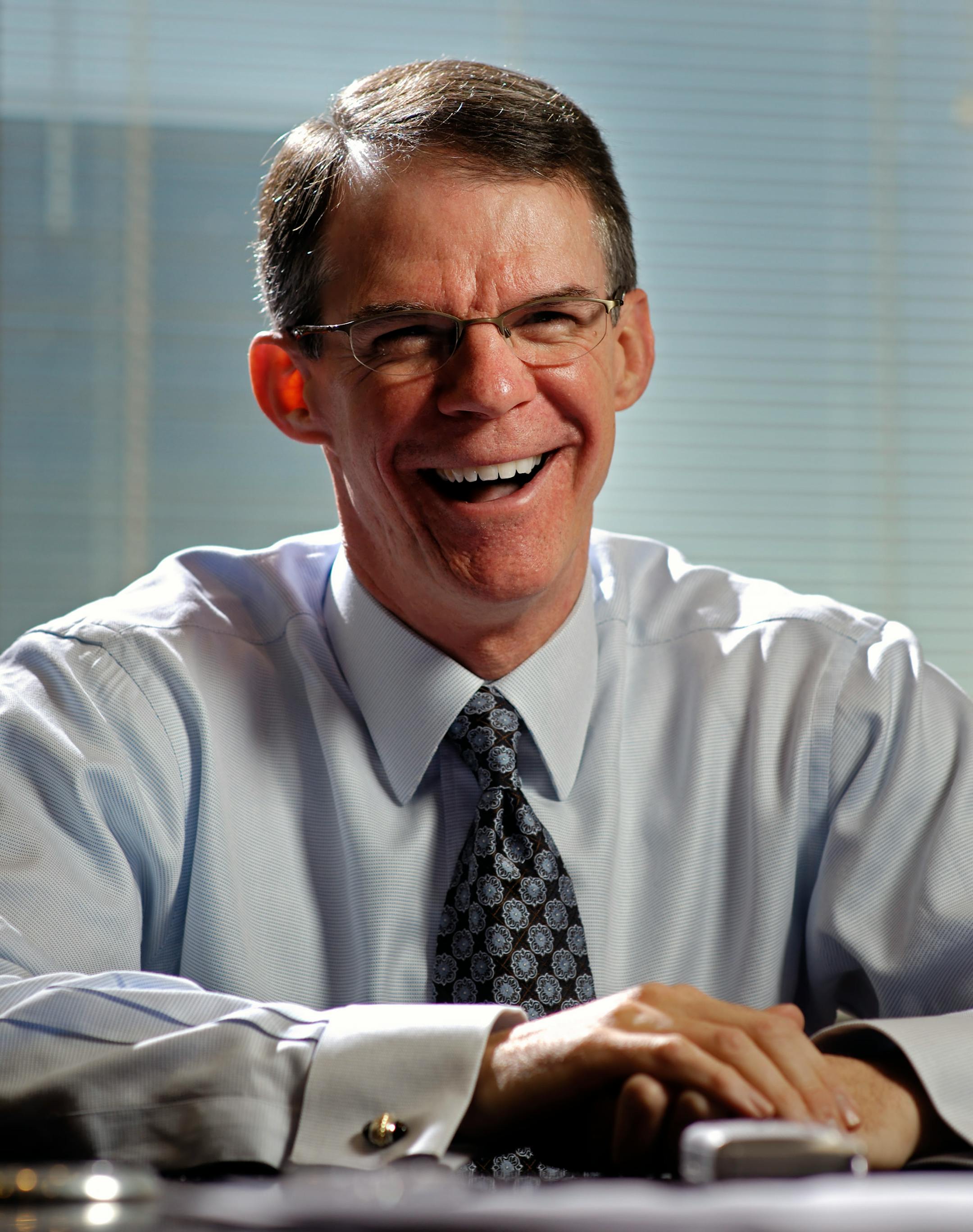
Richard Davis
Richard Davis (Star Tribune/The Minnesota Star Tribune)

The Grundhofer era at U.S. Bancorp is definitely over.

From 1990 through 2006, when a Grundhofer was at the helm of the big Minneapolis-based bank, Jack, and later his brother Jerry, consistently placed among the top 20 highest-paid Minnesota executives.

In seven of those years, one or the other of the Grundhofer brothers ranked among the top five highest-paid Minnesota CEOs, according to the Star Tribune's annual executive compensation sweepstakes.

This year, Richard Davis, who succeeded Jerry Grundhofer in January 2007, ranked No. 47, with $1.7 million in total compensation in 2007.

Jerry Grundhofer, 63, who retired in 2006, ranked No. 3 in last year's survey with salary and bonus of $5.1 million and long-term stock-based compensation of $42 million in 2006, a record year for the multistate banker and asset-management firm.

In 2007, a year in which USB earnings declined but still outperformed regional bankers in terms of profitability and stock performance, Davis was paid much more modestly.

In his first year as CEO, Davis was paid a salary of $850,000 and no bonus. He earned nearly $200,000 less in salary than Grundhofer did as CEO in his final year.

That's rare, compensation consultants and critics say. "Typically, the new CEO comes in at the same or higher level," said Paul Hodgson, who is senior research associate at the Corporate Library, which tracks corporate governance and compensation.

"And Jerry Grundhofer's compensation was excessive, particularly the millions he built up over the years in deferred compensation."

So does Davis' pay package signal a new compensation philosophy at USB, which had become a national target of executive pay critics under the Grundhofers? USB and its board of directors declined to comment about compensation. But a company spokesman noted that a shareholder resolution calling for the board to submit executive compensation for review by shareholders was defeated by a 2-to-1 margin at the annual meeting last month.

In recent years, USB has been one of the country's best-performing financial companies, providing a superior total return to shareholders compared with Standard & Poor's 500 financial services index.

Earnings were down slightly in 2007, a horrible year for many big banks. But USB largely managed to avoid the subprime mortgage trap that ensnared so many big lenders.

The 50-year-old Davis is a rare bird among banking brass. He started on the teller line 30 years ago as a college student.

To be sure, Davis has done well in recent years. In 2006, as chief operating officer, he bagged $10 million, including $2.1 million in salary and bonus and $7.9 million from gains on the exercise of stock options. His salary also was increased by $225,000 after his promotion to CEO.

According to the fine print in USB's 2008 proxy statement, the board has raised the bar for the new boss.

USB grew largely through acquisitions, consolidation and tight cost controls under the Grundhofers.

Davis has a somewhat different challenge. He has begun to invest in front-line employees, longer banking hours and marketing programs designed to spur organic growth from existing retail and small-business customers. To get there, he has been enhancing incentives for thousands of USB tellers, telephone bankers and community lenders.

According to the compensation committee's report, Davis and his top management team received no cash bonuses for 2007. (Davis received a portion of what would have been his bonus in restricted stock that vests over three years.)

The bonus pool for the next-level group of managers was funded at 68 percent, and other employees got a bonus at 72 percent of the target level.

Hodgson, who reviewed the USB proxy statement, said the compensation committee has made it tougher on executive management, particularly when it comes to pension and deferred compensation.

"There was a change in attitude by the compensation committee," Hodgson said. "And their decision to award a three-year, restricted-stock award to Davis was sensible instead of a cash bonus. It was only about half the bonus, but it could go up if the stock price goes up, and that will benefit other shareholders as well."

Hodgson said the committee also made a stock-option award to Davis valued at about $5 million that is at the median of its peer group.

"That's reasonable, given that they outperformed their peers ... this year," Hodgson said. "But there's not been a complete change of heart by the compensation committee. They still have a policy to pay their executive group in terms of total compensation in the upper quartile of their peer group, and some other boards are backing away from that. Paying at the upper quartile is OK, if you're performing there. But as a target, it's a mistake."

USB's five-member compensation committee is headed by Jerry Levin, a veteran corporate executive who runs his own management company. It also includes Art Collins and Warren Staley, retired CEOs of Medtronic Inc. and Cargill Inc., respectively.

Neal St. Anthony • 612-673-7144 • nstanthony@startribune.com

about the writer

about the writer

Neal St. Anthony

Columnist, reporter

Neal St. Anthony has been a Star Tribune business columnist/reporter since 1984. 

See Moreicon

More from Business

See More
card image
Jerry Holt/The Minnesota Star Tribune

President Donald Trump’s order starts the process of reclassifying cannabis alongside drugs with recognized medical uses, a change that could reshape taxes and enforcement in Minnesota.

card image
card image