At long last, a seller's market in Minnesota mergers, acquisitions

Mergers and acquisitions activity in Minnesota jumped 40 percent in the first half of 2014.

Grocery orders are wrapped in plastic before being transported from Supervalu's grocery distribution center Wednesday, Jan. 23, 2013, in Hopkins, MN. Supervalu has 1.7 million square feet of distribution space.] (DAVID JOLES/STARTRIBUNE) djoles@startribune.com Until 2006, almost half of Supervalu's business came from wholesaling, the company's original reason for being in back in the 1920s. Its purchase of Albertson's turned into more of a supermarket retail company, with wholesaling less than 2
Supervalu wound up taking control of most of the Twin Cities area grocery stores that Roundy's Inc. divested during the first half of the year. File photo of Supervalu's distribution center in Hopkins. (The Minnesota Star Tribune)

The stone-cold, postrecession mergers-and-acquisitions market has gradually heated into a 2014 deals market that could be the best year since 2007.

"It's a seller's market," said Leslie Frecon, founder and CEO of LFE Capital, which sold one of its portfolio companies in the second quarter ended June 30.

Medtronic's controversial bid to buy Ireland-based Covidien for $46.2 billion, and switch headquarters from Minnesota to Ireland for the lower tax rate, has generated national headlines along with several other "tax-inversion" megadeals among multinational companies.

The pending Medtronic-Covidien deal is the largest ever involving a Minnesota company. But that one transaction has overshadowed the growing number of Minnesota-connected deals and rising purchase prices that indicate buyers and sellers have growing confidence in the accelerating U.S. economy.

"Companies are proactively looking for opportunities to grow, expand their footprint and adapt to changing industry and macroeconomic trends to position themselves for the future," said Martyn Curragh, PricewaterhouseCoopers' U.S. deals leader, said in a July report.

In the first half of 2014, there were 203 transactions involving a Minnesota-based company as a buyer or seller compared with 145 in the year-ago period — up 40 percent.

One of the largest was the sale of Eagan-based trucker Transport America to TransForce of Canada for $310 million. That deal also gives some insight into how profitable these deals can be for patient sellers who add value during their ownership.

Transport, once a public company, went private in a 2006 deal valued at about $110 million. It was led by Minneapolis-based private equity investor Goldner Hawn Johnson & Morrison.
"Transport was a classically successful private equity transaction," said Matthew Knopf, head of the mergers-and-acquisitions practice at Dorsey & Whitney, which represented Transport.

Goldner Hawn replaced the old CEO with another industry veteran, Scott Arves; invested through debt and equity; slogged through the lean years of recession, and prepared for a transaction as business improved. Transport America late last year filed for an initial public offering of stock. But the IPO was sidelined when the larger buyer showed up with cash.

TransForce, which had little growth opportunity in Canada, was willing to pay up for a U.S.-based expansion vehicle that would expand its footprint in the huge U.S. trucking-and-logistics market through Transport's established customer base. The firm provides solid operating margins that were expected to add profit immediately to the Canadian company.

"We made about four times our money," said Managing Director Van Zandt Hawn. "Not every [investment] works out like that. Our CEO built a really good management team."

The dealmakers expect the pace to continue in the second half of 2014 for several reasons. The economy is expanding modestly, without much inflation. So for strategic buyers such as TransForce to accelerate growth, they do acquisitions with low-cost borrowed money. And financial buyers, such as private equity shops, sell stakes they've held for several years at premium prices.

Some of the M&A activity has come from flush foreign interests seeking to invest in the relatively strong U.S. economy. For example, 13 of the 106 second-quarter deals were cross-border transactions. And that trend likely will continue.

In late July, Japan's Kito Corp. said it would buy Winona, Minn.-based Peerless Industrial, which makes chains and related products, from Westview Capital Partners in a $123 million transaction, including assumed debt. The deal is expected to close this month.

Jim D'Aquila, a veteran investment banker at Imperial Capital, said the deal market is "starting to get a little frothy" but the pricing still isn't as stratospheric as it was during the 2005-06 bubble.

Solid companies are selling at 10 to 15 times earnings before taxes and depreciation expense, D'Aquila said. Money is cheap and there's a lot of it around. Owners are interested in selling as prices rise.

In Frecon's case, her original fund, LFE Capital Fund 1, invested in Halo Innovations, a Minneapolis-based manufacturer and marketer of safe-sleep accessories for infants, including its flagship Halo SleepSack and other products that have won awards for safety and innovation.

Frecon, without specifying the financial reward, said the investment generated a double-digit return to investors on the second-quarter sale thanks to a tenfold increase in operating profit and a fourfold increase in revenue during the nine years of LFE ownership.

"We are seeing more recapitalizations, like the Halo deal, where new financial investors come in and take out the existing financial investors, and the founders and management roll over their equity investment in the business, looking for additional return in a subsequent transaction," Frecon said. "Because of the attractive markets, LFE has been active selling its portfolio businesses, and we have experienced the gamut: acquisitions by strategic buyers, acquisitions by financial buyers and various forms of recapitalizations."

Knopf said this could be the transactions year that has eluded the market since the Great Recession: "Putting together four good quarters in a year."

Neal St. Anthony • 612-673-7144 Patrick Kennedy • 612-673-7926


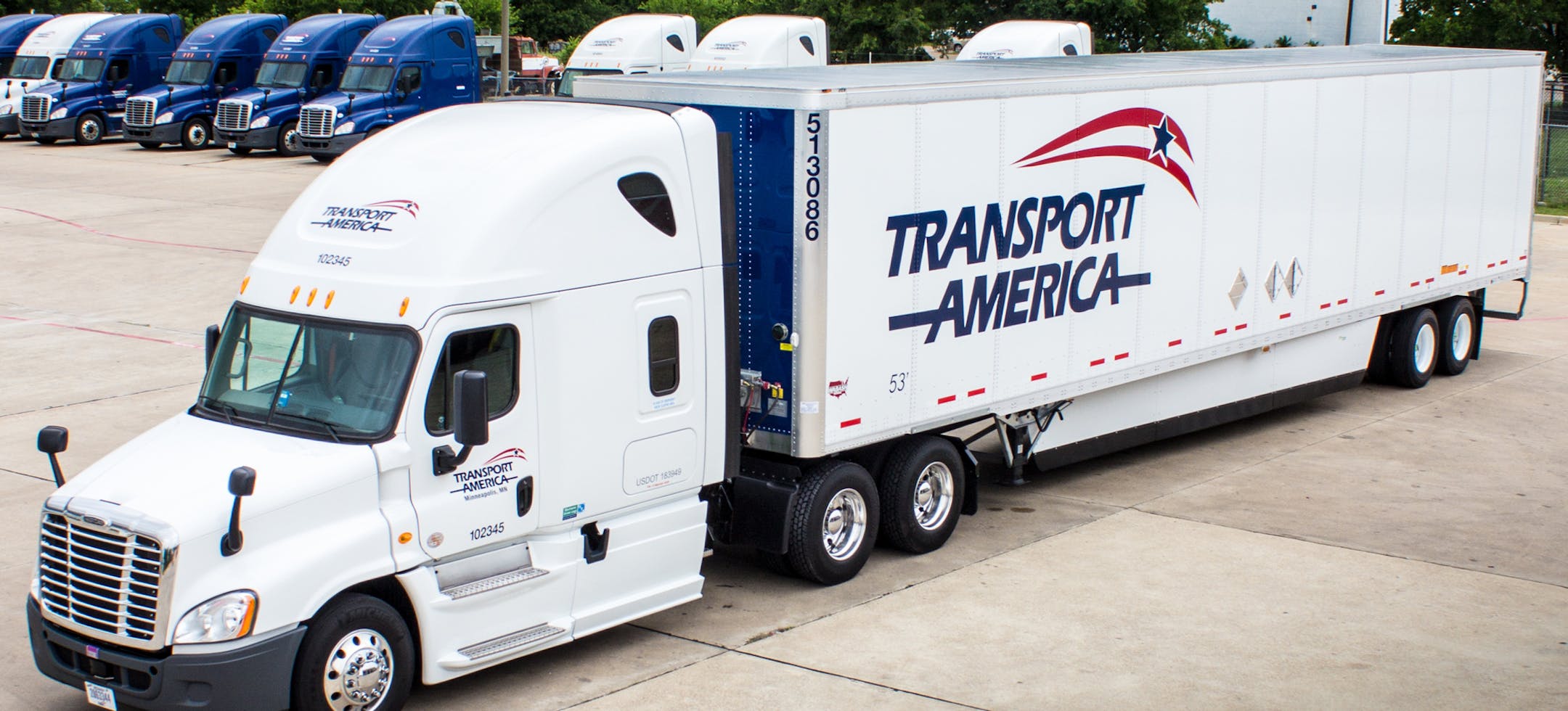
Transport Corp. of America Inc. (The Minnesota Star Tribune)
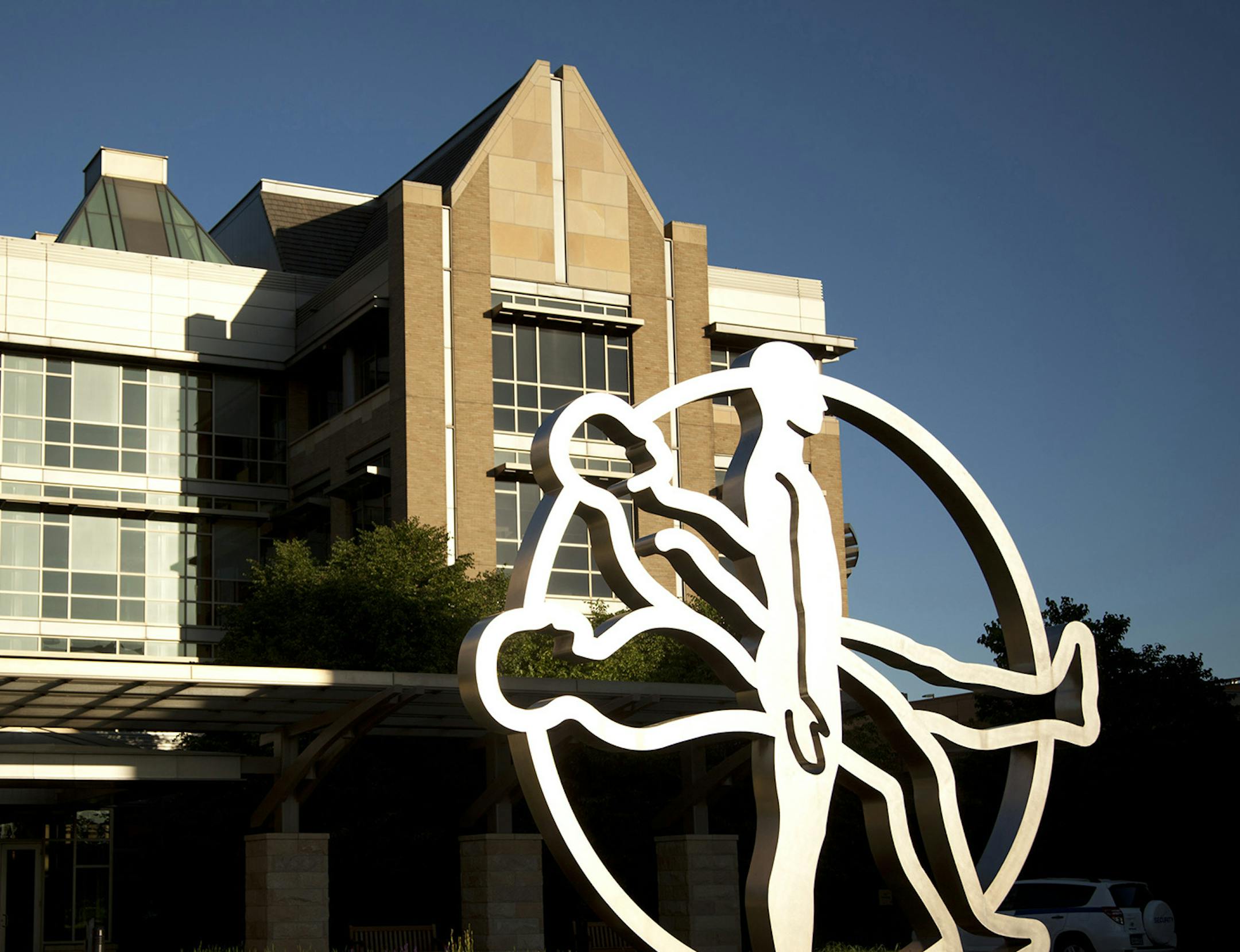
The Medtronic Inc. headquarters building stands in Minneapolis, Minnesota, U.S., on Monday, June 16, 2014. Medtronic Inc., the second-largest maker of medical devices, agreed to buy Covidien Plc for $42.9 billion in cash and stock as it transforms into a broader-based company bolstered by new tax advantages. Photographer: Ariana Lindquist/Bloomberg ORG XMIT: 498105931
Medtronic Inc. (The Minnesota Star Tribune)
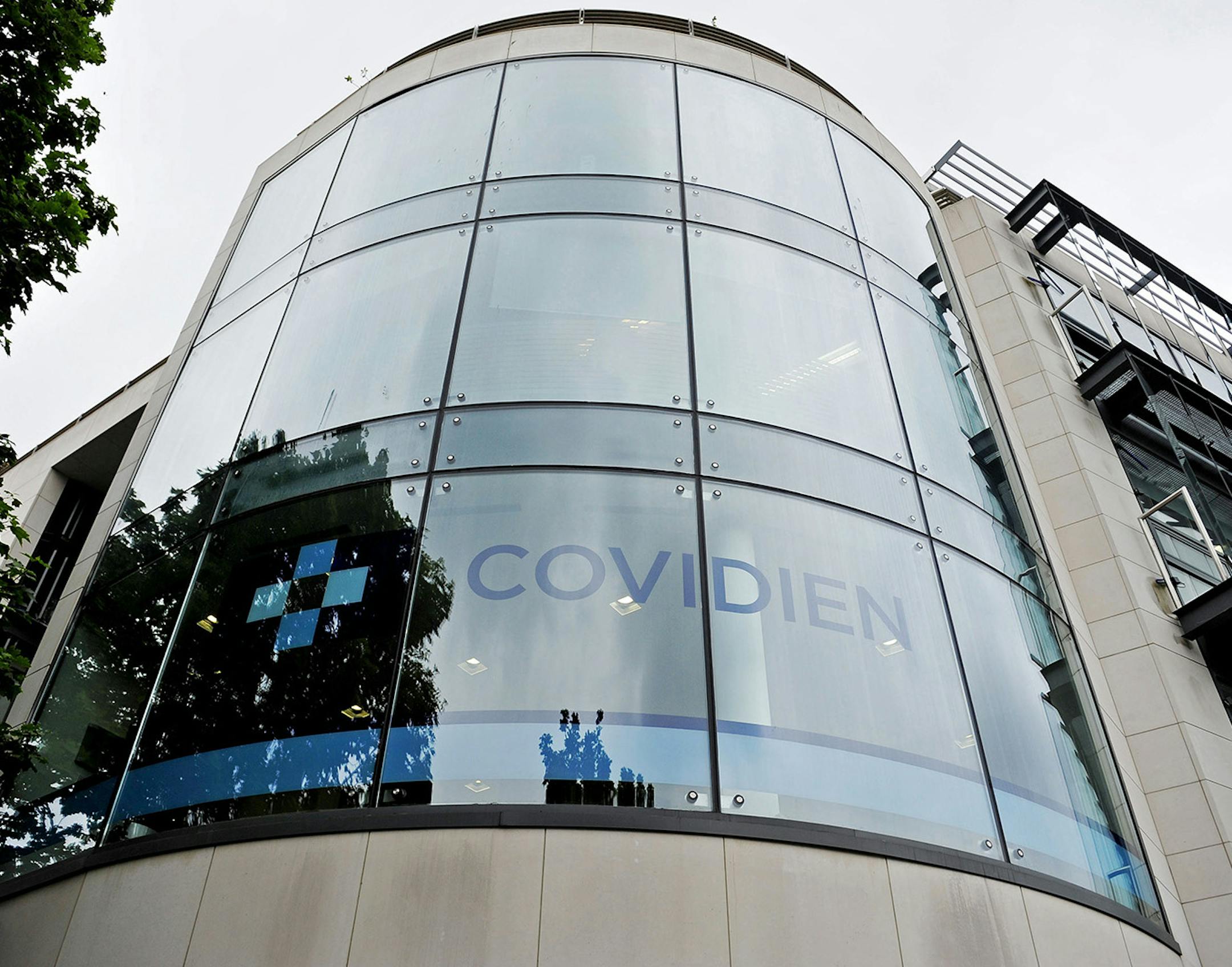
A Covidien logo sits on the glass windows of medical device manufacturer Covidien Plc's head office in Dublin, Ireland, on Monday, June 16, 2014. Medtronic Inc., the second-largest maker of medical devices, agreed to buy Covidien for $42.9 billion in cash and stock as it transforms into a broader-based company bolstered by new tax advantages. Photographer: Aidan Crawley/Bloomberg ORG XMIT: 498097627
Covidien PLC (The Minnesota Star Tribune)
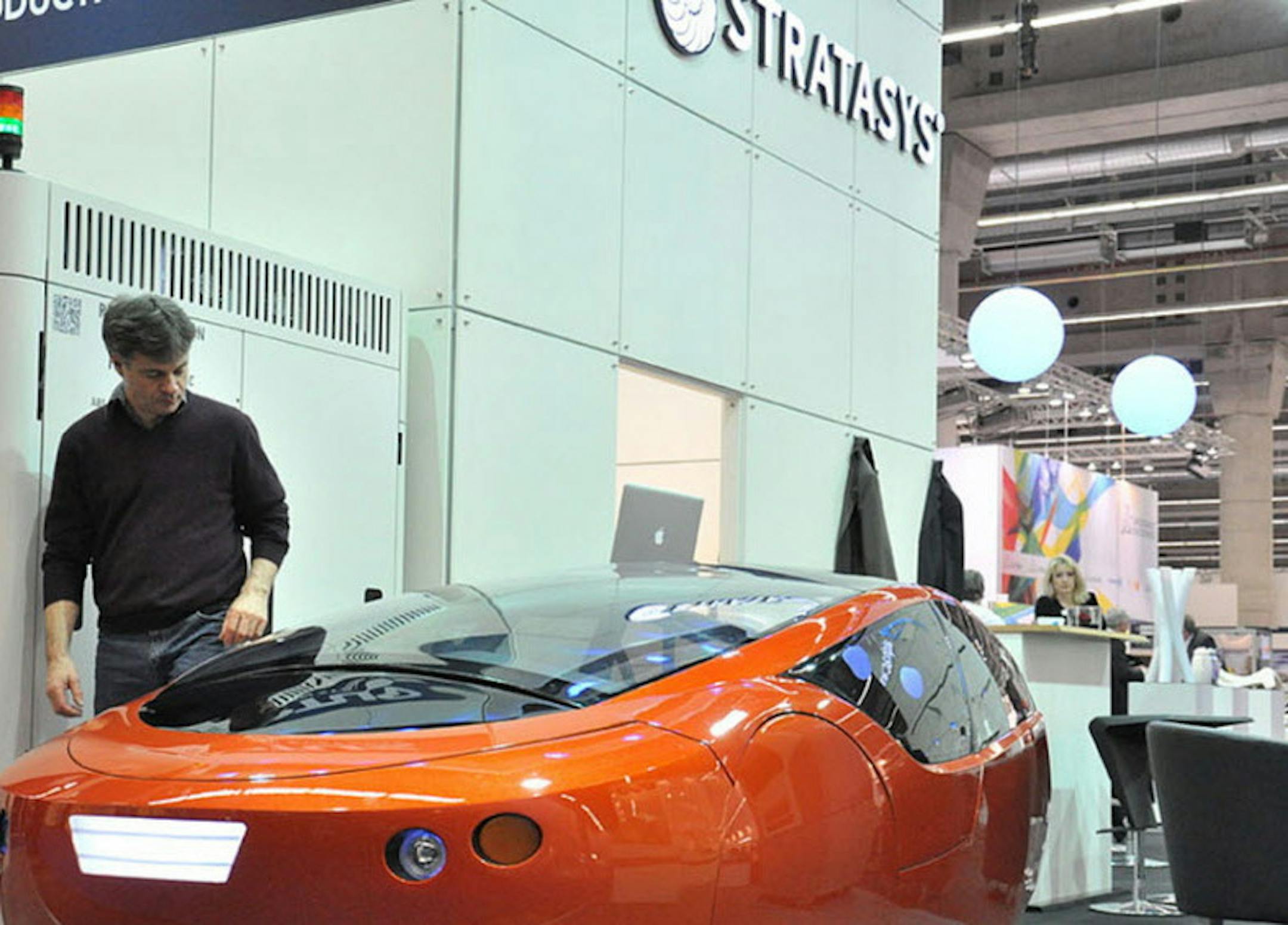
RedEye On Demand and Stratasys have been selected by Winnipeg-based KOR EcoLogic to build the first 3D-printed, production-ready car called URBEE 2 ORG XMIT: MIN1302201853235254
Stratasys LTD. (The Minnesota Star Tribune)
Rainbow Foods (The Minnesota Star Tribune)
about the writers

about the writers

Neal St. Anthony

Columnist, reporter

Neal St. Anthony has been a Star Tribune business columnist/reporter since 1984. 

See Moreicon

Patrick Kennedy

Reporter

Business reporter Patrick Kennedy covers executive compensation and public companies. He has reported on the Minnesota business community for more than 25 years.

See Moreicon

More from Business

See More
card image
Brian Peterson/The Minnesota Star Tribune

Political stakes are high for success of the program, which mandates 12 weeks of paid family and medical leave.

card image