

Saru Jayaraman, director of the Food Labor Research Center at the University of California, Berkeley, advocates abolishing restaurant tipping in favor of the $15-an-hour minimum wage, as the best way to economically uplift the working poor in an exploitative industry.
She spoke last week to about 200 labor activists, students, restaurant owners and others at the University of Minnesota business school. She said that tipping is rooted in a time when women and minorities were not entitled to fair wages and relied on the gratitude of customers.
"Employers should pay workers, not customers," said Jayaraman, a Yale Law graduate who worked in restaurants as a student and gained renown for a 2014 book, "Behind the Kitchen Door." "Restaurant industry workers reject this feudal system."
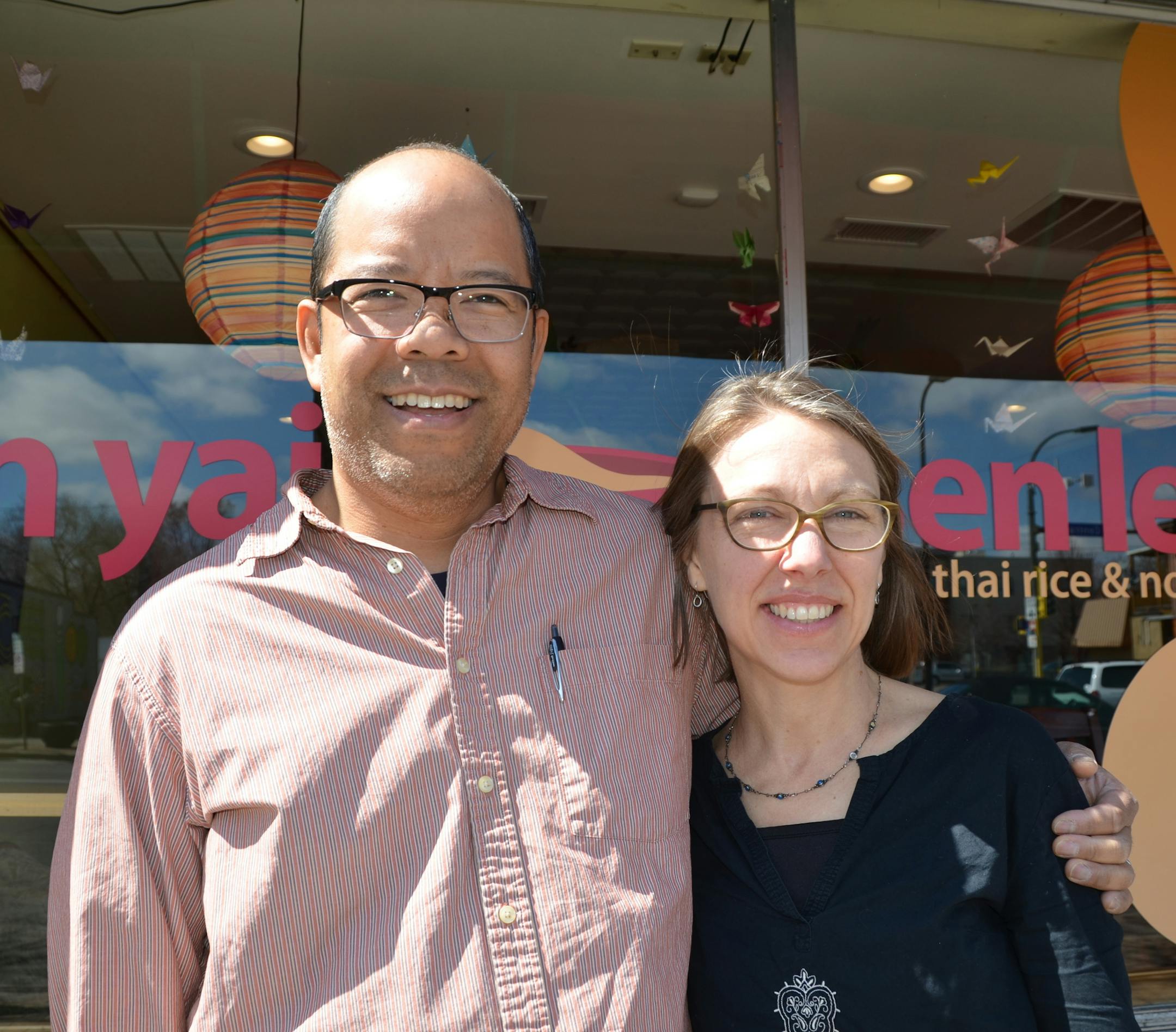
Holly Hatch-Surisook, a Northeast restaurant owner agrees, but doesn't like the "sledgehammer" approach. And she can't afford $15 an hour yet.
Hatch-Surisook is co-owner with her husband, Joe, of the Sen Yai Sen Lek Thai restaurant. They mortgaged their nearby house to open the restaurant in 2008. Hatch-Surisook quit a job as an academic adviser at the U to be an entrepreneur on resurgent Central Avenue NE.
"Making employees rely on tips for fair wages should be changed, but I also feel strongly that we must — at the same time — address the vast pay inequities that a tipping system creates between those who carefully prepare the food we eat, and those who serve it," Hatch-Surisook said. "All staff should be compensated fairly for their work, and a tipping system takes away an employer's ability to structure pay equitably."
The Hatch-Surisooks are business and community builders. Their kids go to local public schools.
Sen Yai Sen Lek employs 25 and generates $1 million in annual revenue.



