

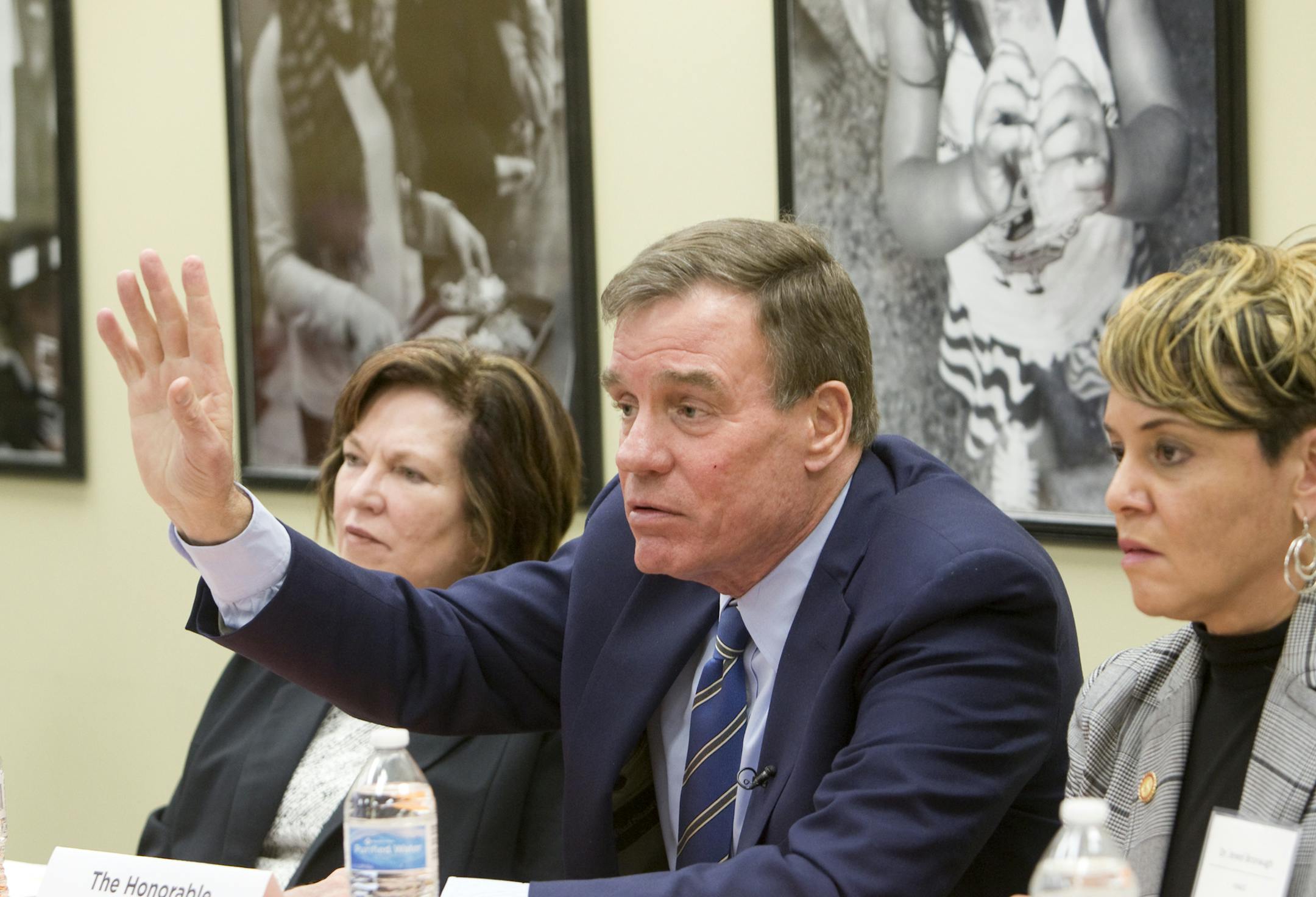
WASHINGTON – President Joe Biden's choice to fill the deputy secretary post at the Agriculture Department underscores the scarcity of Blacks and other minorities in high-profile positions in agriculture.
Jewel Bronaugh, Virginia commissioner of agriculture and consumer services, would become the first woman of color to serve as the USDA deputy secretary if confirmed. Bronaugh is one of two African American members of the National Association of State Departments of Agriculture, which represents top officials at state and U.S. territorial departments.
The announcement of the choice came on the Martin Luther King Jr. holiday, a possible acknowledgment by the Biden team that it is listening to Black farmers' concerns. Biden's choice of Tom Vilsack to become the next secretary has faced criticism from several Black farm groups. The paucity of people of color in top Agriculture jobs is reflected in the general numbers for farmers. The U.S. Department of Agriculture (USDA) estimates 1.3% of U.S. farmers are Black.
The Federation of Southern Cooperatives/Land Assistance Fund, a group that focuses on rural economic development, greater access for minority farmers to USDA programs and helping Black farmers keep their land, noted the holiday on which the Bronaugh selection was disclosed.
The organization has raised concerns about Vilsack's nomination but welcomed the possibility of Bronaugh at a top spot in the Agriculture Department.
John Boyd, president of the National Black Farmers Association, more openly questioned the likelihood Bronaugh will address issues of importance to his members. He said Bronaugh should use her post as deputy secretary to further racial equity in agriculture.
"We hope she will use her knowledge of the department to level the playing field for NBFA members as well as other minority and small-scale farmers and to end the culture of discrimination at the USDA," Boyd said.
Vilsack stirred anger with his hasty firing in 2010 of Shirley Sherrod, Georgia state director for rural development, based on video excerpts of a speech she made. The heavily edited version by conservative Andrew Breitbart made it sound as if Sherrod, who is Black, had turned away aid to a farmer because he was white. The fuller video showed that Sherrod had talked about putting aside personal bias to help the man.


