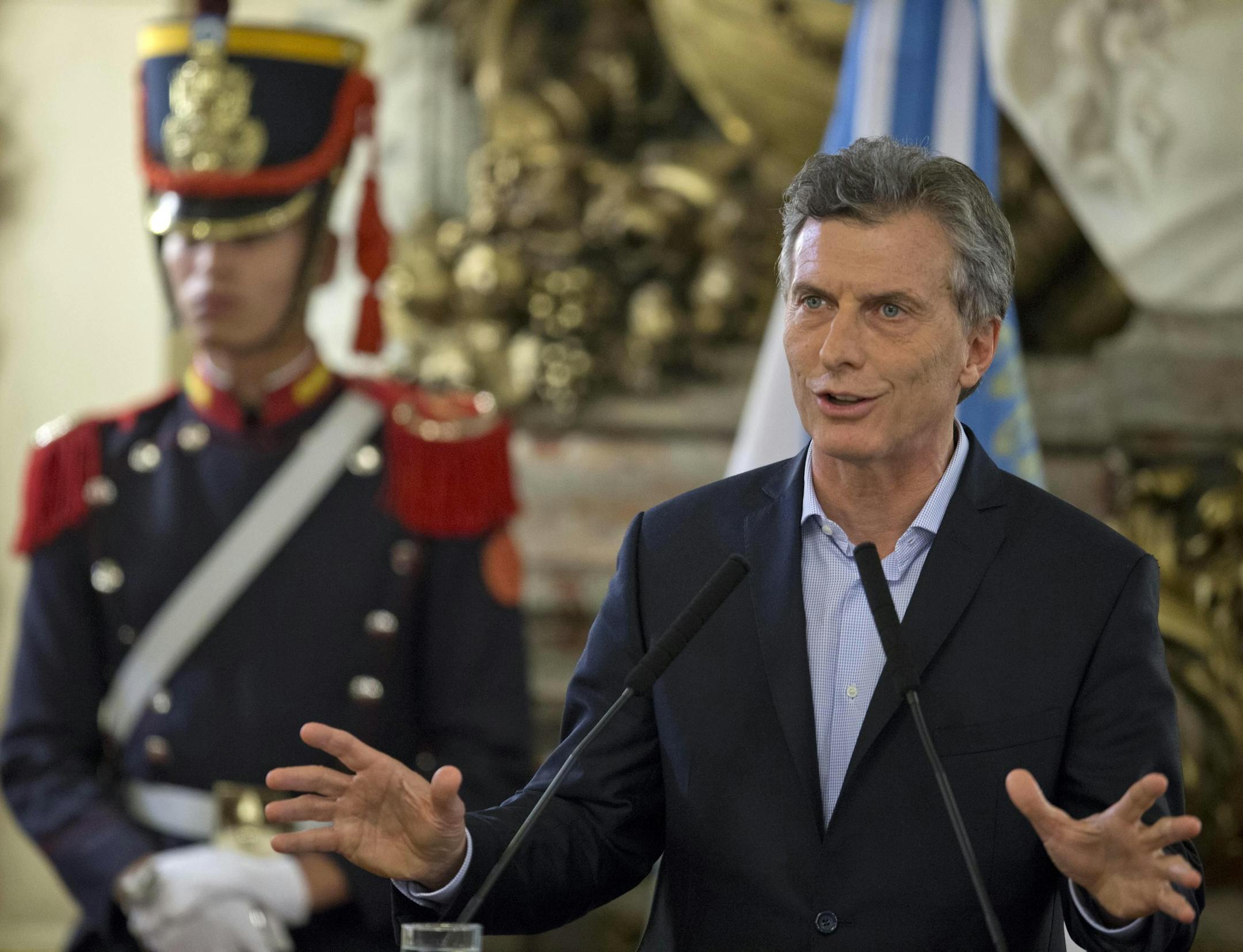
Mauricio Macri, Argentina's reformist president, has been in office for just four months. For Constanza Pimentel, who along with her mother and brother runs a small winery on the outskirts of Mendoza, the country's winemaking capital, his government has so far been a mixed blessing.
Bodega Caelum, their 50-hectare vineyard, produces 70,000 bottles a year of Torrontés, Malbec and other wines. Recently it has struggled. Argentina's previous president, Cristina Fernández de Kirchner, introduced currency controls, which kept the peso artificially strong and made exporting unprofitable.
Pimentel was delighted when Macri allowed the currency to float in December: she plans to expand sales in the United States and Britain this year. But for now her customers are mostly Argentine oenophiles, and they are drinking less. In March she raised prices by 12 percent to keep up with inflation. "Wine is becoming a luxury," Pimentel laments. "Customers are watching their wallets."
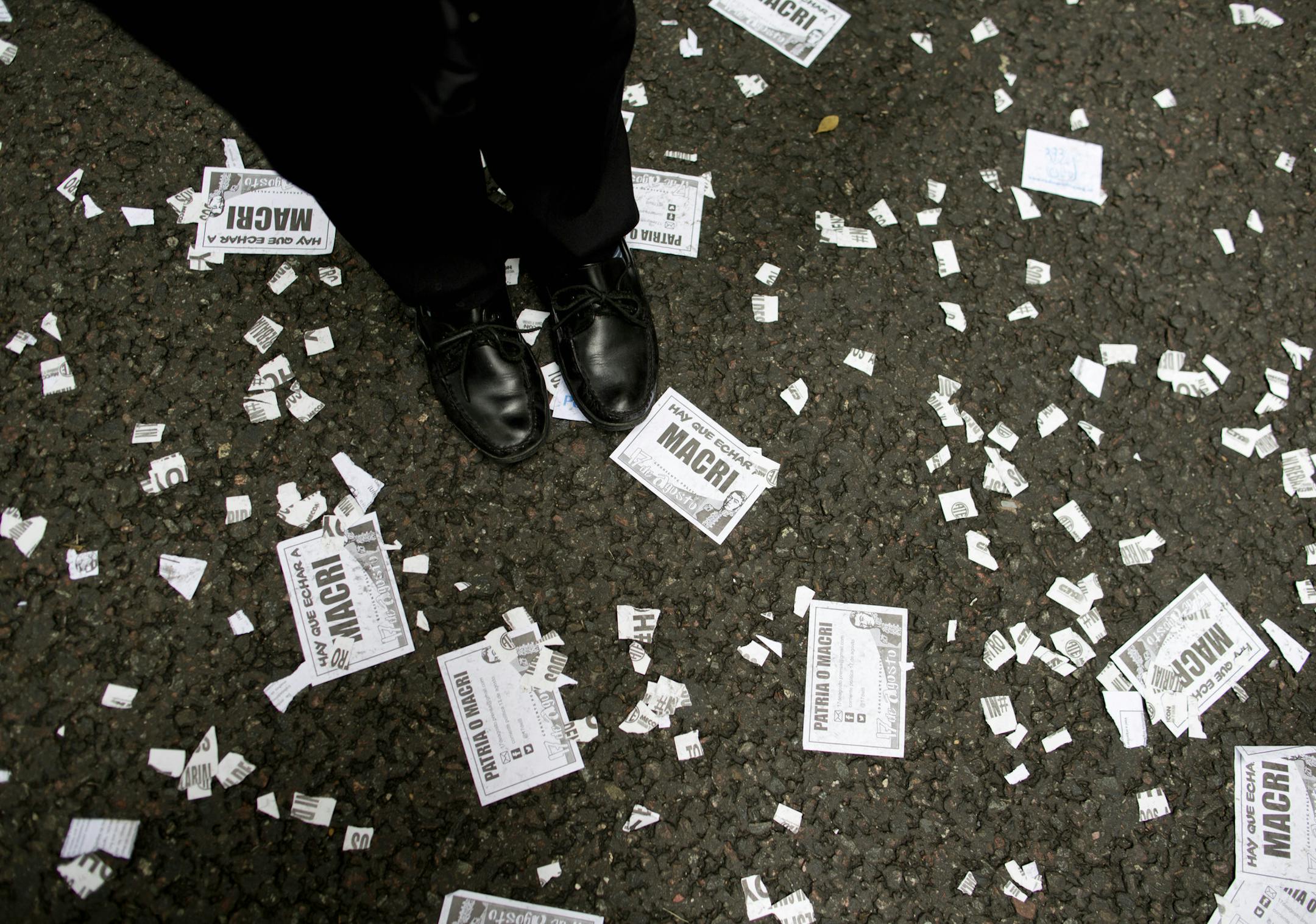
One can hardly blame them. Macri, whose election ended 12 years of populist rule by Fernández and her late husband, Néstor Kirchner, has been feted by foreigners. He is on the verge of ending a 14-year confrontation with foreign creditors; Barack Obama paid him a visit in March.
But for most Argentines, life is getting worse. The annual inflation rate is approaching 40 percent, according to independent estimates (official numbers are not being published while Argentina overhauls its statistics agency). It is the highest rate in Latin America outside Venezuela. Meat, a staple, is 44 percent more expensive than a year ago. A study by the Catholic University reports that 1.4 million Argentines have dropped below the poverty line so far this year.
Macri inherited high inflation. During Fernández's reign the central bank printed money to pay for subsidies, which reached 4 percent of GDP last year. But the measures the new president has taken to stabilize the economy have made things — temporarily — worse.
The floating of the peso, to make exports competitive and reduce a drain on the central bank's foreign-exchange reserves, pushed up inflation. So did cutbacks to subsidies of electricity, water, gas and transport to control the budget deficit, which reached 5.8 percent of GDP in 2015. On April 8, bus and train fares in Buenos Aires, the capital, doubled. The public sector has laid off nearly 11,000 workers since December. The economy is likely to shrink by 0.5 percent this year.
Macri warned that there would be pain, but he was not gloomy enough. His government is likely to miss the inflation target of 20 to 25 percent it set for 2016, in part because the country's powerful unions are demanding pay increases of 30 percent. The finance minister, Alfonso Prat-Gay, now promises that inflation will fall in the second half of the year and predicts an inflation rate of 17 percent for 2017. "We are very confident that we can hit" that rate, he said on April 5.