

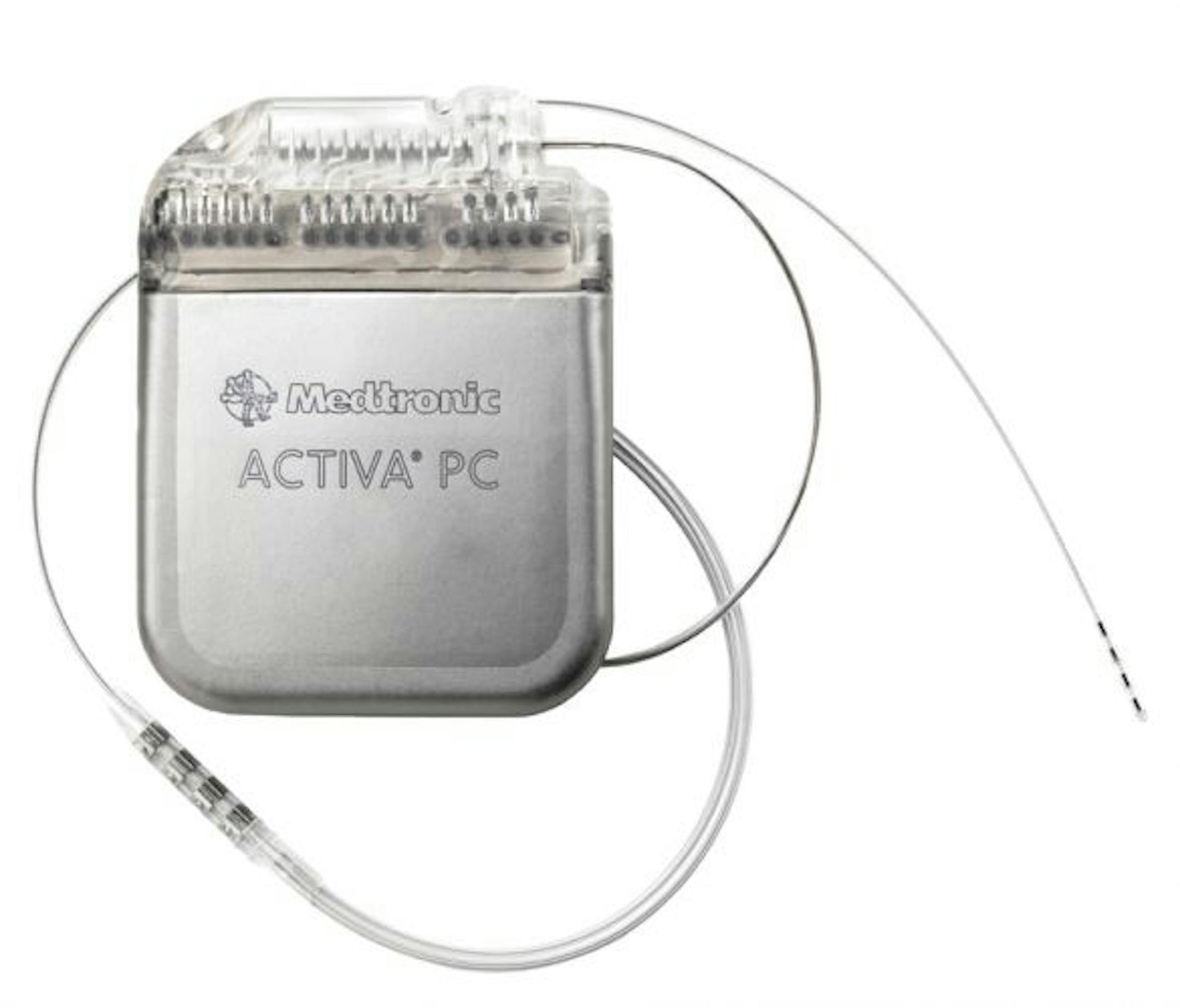
Medtronic Inc.'s deep-brain stimulation system was tied to suicides, depression and worsening seizures in a study of epilepsy patients, according to U.S. regulators weighing whether to broaden sales of the device.
The product failed to meet the study's primary goal of reducing the number of seizures after three months compared with a control group, Food and Drug Administration staff said in an "executive summary" posted Wednesday on the agency's website. The agency asked a panel of outside advisers to recommend Friday whether the device is safe and effective enough for broader use.
More than 60,000 people have had deep-brain stimulation through a surgically implanted device, according to Medtronic's website. The Fridley-based company is seeking approval in epilepsy for its Activa PC System, which is already cleared to treat Parkinson's disease and essential tremor, a neurological condition that causes involuntary shaking. The company also sells a device called Reclaim for obsessive compulsive disorder.
"In light of instances of increased, worsening, or new seizures, the panel will be asked whether they believe the device provides a reasonable assurance of safety, and to provide labeling recommendations," FDA staff members wrote in their report.
Medtronic's implantable neurologic products, including deep-brain stimulation, had sales of $1.15 billion in the fiscal year ended April 24, accounting for 7.8 percent of the company's revenue, according to data compiled by Bloomberg. Activa for Parkinson's was among "the business unit's key growth therapies," Medtronic said on May 19.
Shares of Medtronic closed Wednesday at $44.63, off 11 cents or 0.25 percent.
Company's response
Medtronic is urging the agency to amend its analysis to exclude one patient who had 210 seizures within 48 hours at the start of the study, according to the company's own briefing materials for the panel.



