

Listen and subscribe to our podcast: Apple Podcasts | Spotify
It appeared to be a barbershop. But hidden behind a wall of this Minneapolis business, illegal drinks fueled secret revelry in the 1920s.
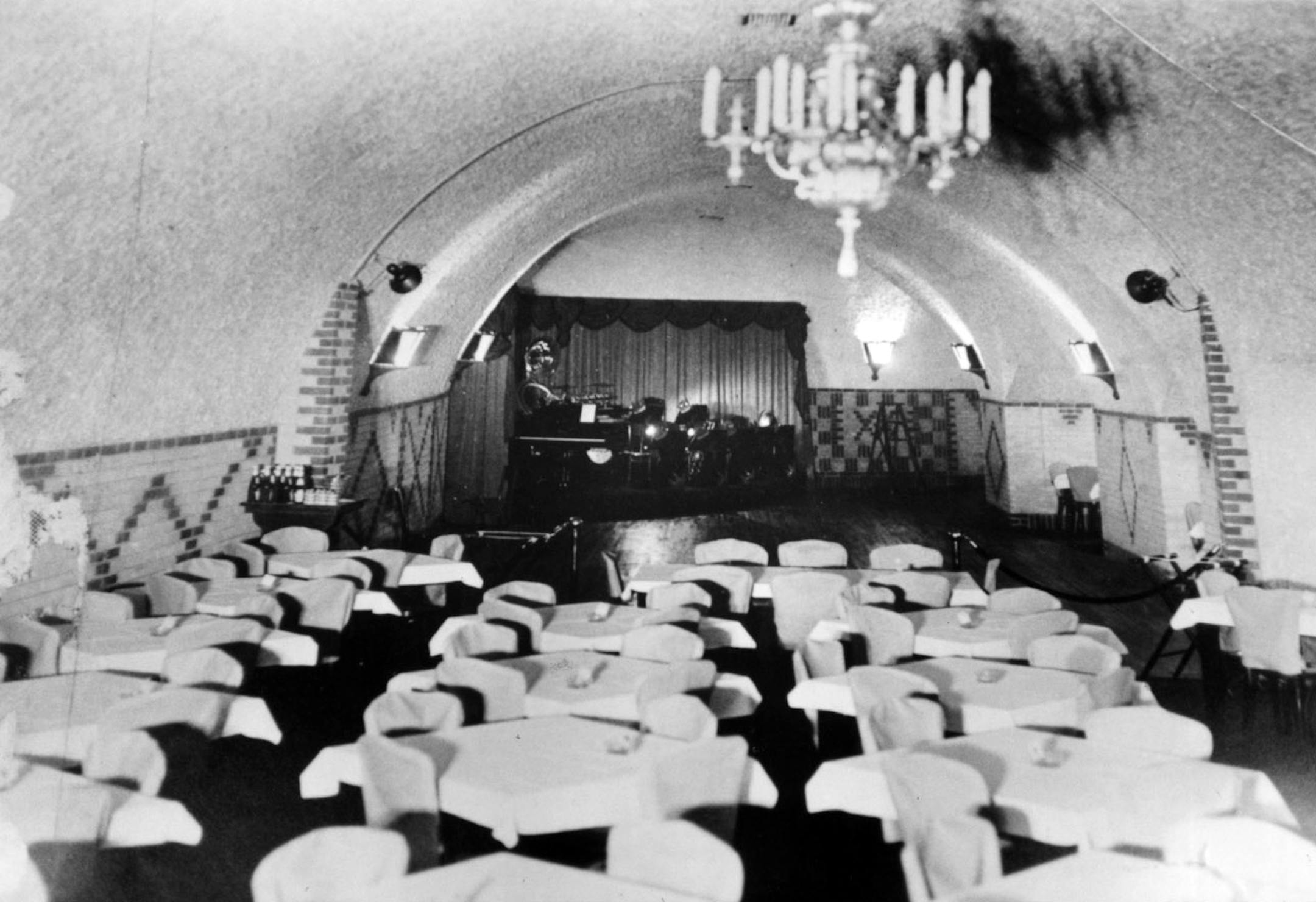
What today is a kitschy bar called the Chatterbox Pub was once one of many speakeasies in the Twin Cities during Prohibition, according to its current owner. That history caught the interest of reader Charles Knutson, who lives nearby and wanted to know more about the illegal watering holes once scattered around the region.
Knutson sought answers from Curious Minnesota, the Star Tribune’s community reporting project inspired by reader questions.
Historians don’t know for certain how many speakeasies once operated in the Twin Cities because they left few records and came in so many different forms, according to Bill Convery, research director at the Minnesota Historical Society. Some were jazz clubs, while others operated out of little apartments and homes. And some, like the Hollyhocks Club on St. Paul’s Mississippi River Boulevard, were fancy establishments with waitstaff and patrons in formal attire.
The experiences that people had in Minneapolis and St. Paul’s Prohibition-era speakeasies depended on how much money they had to spend, Convery said. While some of the most notorious spots closed long ago, there are still at least a half dozen places open today that have a speakeasy history.
Drinking goes underground
The United States went dry overnight in January 1920.
The Volstead Act — named for U.S. Rep. Andrew Volstead from Minnesota, who championed Prohibition — enforced the 18th Amendment, making it illegal to manufacture, sell or transport alcohol.


