

Listen and subscribe to our podcast: Apple Podcasts | Spotify
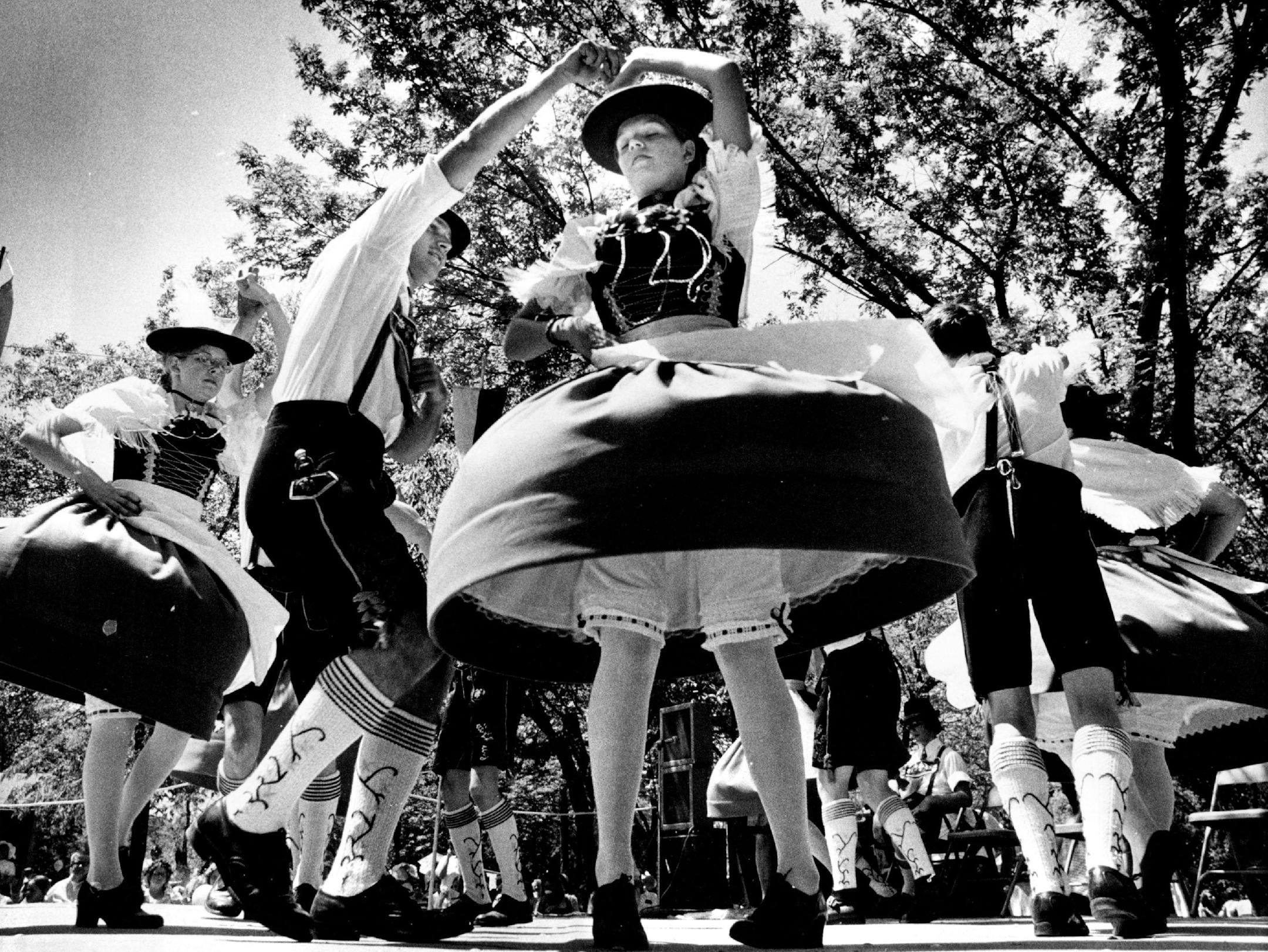
Minnesota is stereotypically a lot more “uff da” than “oom-pah.” But a larger share of Minnesotans report having German ancestry than Scandinavian.
There’s a reason German culture and institutions aren’t as visible as their Scandinavian counterparts. And it’s not because of World War II, when Germany became associated with Nazism and Hitler.
By that time, “German culture in America was already gone,” said Dave Bredemus, a retired St. Paul teacher with a passion for Minnesota’s German history.
Disappearance of German culture and institutions actually dates back to World War I, when leaders in Minnesota and other states cracked down on displays of immigrant heritage in an effort to enforce loyalty to the United States. Anti-German sentiment, in particular, swept the state.
Reader Shane Loney, who has German ancestry, wondered about the German American culture that was erased after watching a TV special about lost history in Minnesota. He reached out to Curious Minnesota, the Star Tribune’s community-driven reporting project.
“For obvious reasons, a lot of German culture went into hiding, so to speak, or disappeared,” Loney wrote. “What Minnesota German establishments, etc. were lost?”
The erasure ranged from banning German instruction in Minnesota schools to renaming streets and removing public art. In the Minnesota State Capitol, authorities even painted over German motifs. Some German culture has since made a comeback, and the Capitol’s art was restored. Still, the absences are striking — especially considering the state’s once-flourishing German culture.


