

Listen and subscribe to our podcast: Apple Podcasts | Spotify
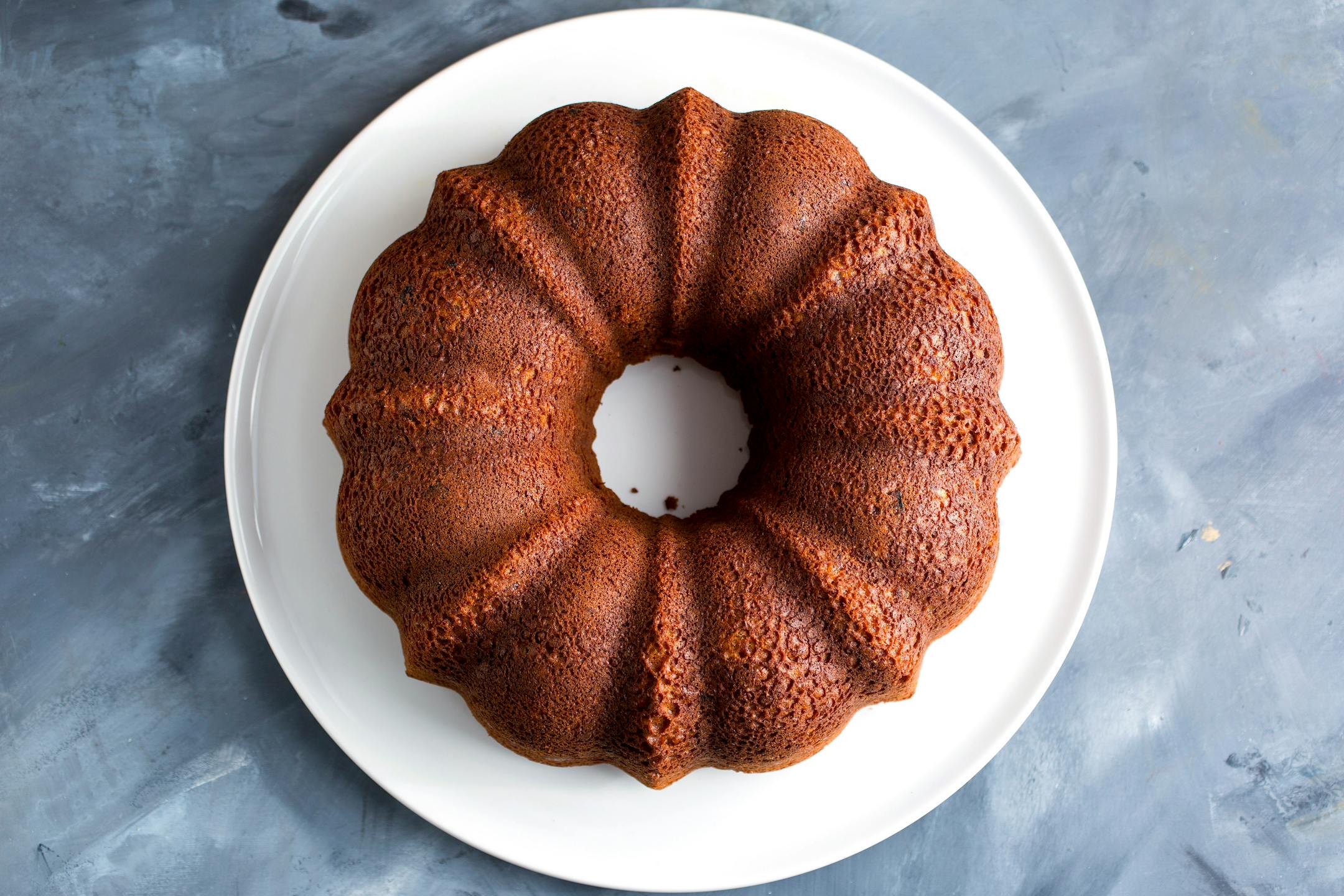
The Bundt — that unmistakable round cake with the hole in the middle — has been a staple at bake sales, potlucks and backyard barbecues for decades. It’s the subject of scores of cookbooks and had a pop culture moment in the movie “My Big Fat Greek Wedding.”
(“It’s a BUNDT!” the Midwestern mother of the groom tries to explain to her Greek hostess in the film.)
All of that, plus a little watercooler talk, led reader Tim Drake to wonder: Was the Bundt cake really invented in Minnesota? He sought answers from Curious Minnesota, the Star Tribune’s reader-generated reporting project.
“My mom used to make a lemon-poppy seed Bundt cake, and we all loved it,” said Drake, of Isanti, Minn. “It’s one of my earliest memories.”
The Bundt as we know it today dates back to 1950. And yes, it got its start in Minnesota. The style of cake originated in Europe, but the Bundt became a uniquely American creation via Minnesotan ingenuity. What started out as a request to replicate an Old World cake mold with a lightweight aluminum pan grew into a cultural phenomenon that earned a place in the Smithsonian National Museum of American History.
And its simplicity was a dessert game changer.
“It’s a one-and-done move because the pan creates the party,” said author and baking expert Zoë François. “You don’t have to do over-the-top decorations because the pan is so festive. It’s an easy way to make something fun or elegant.”


