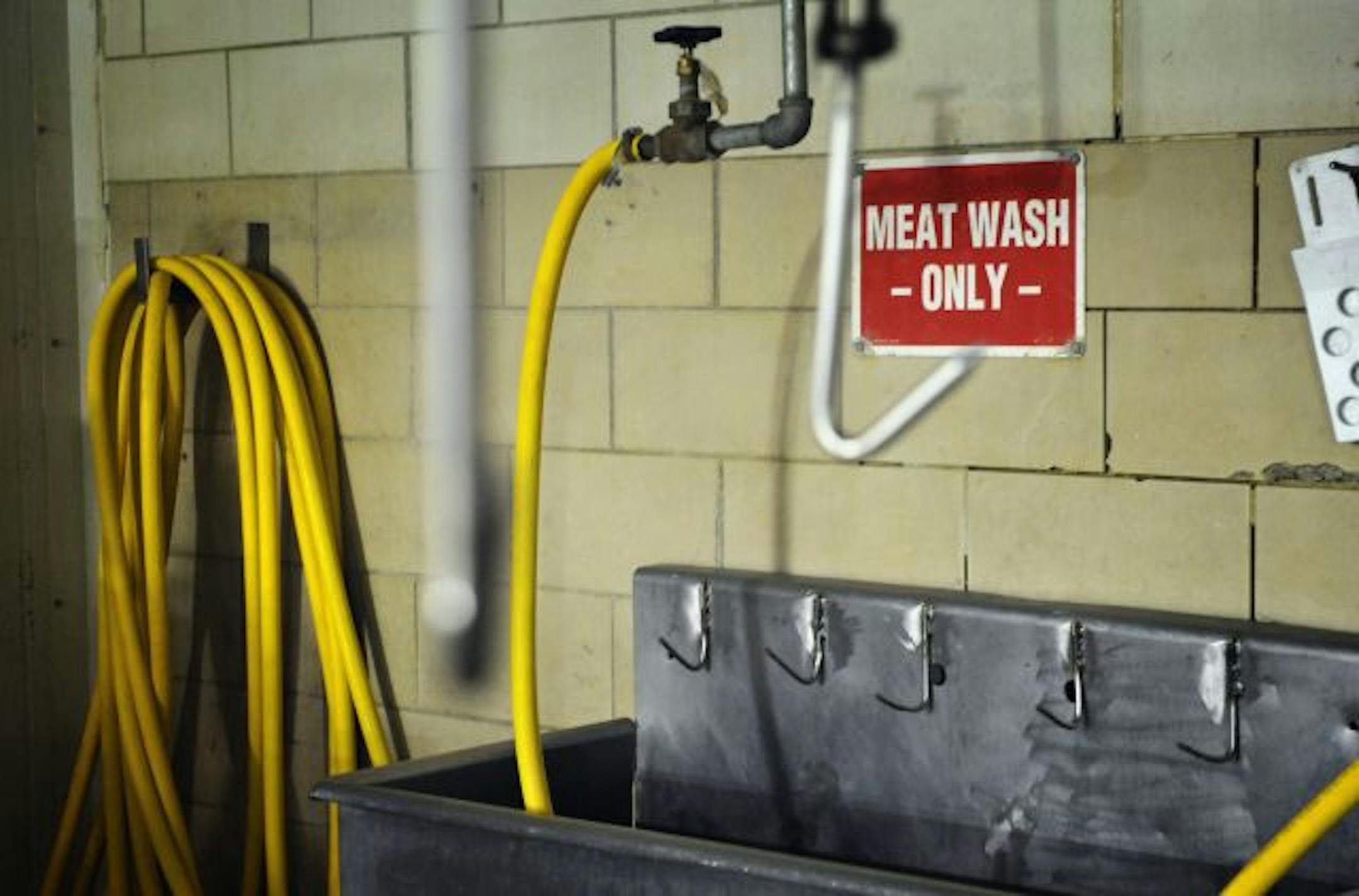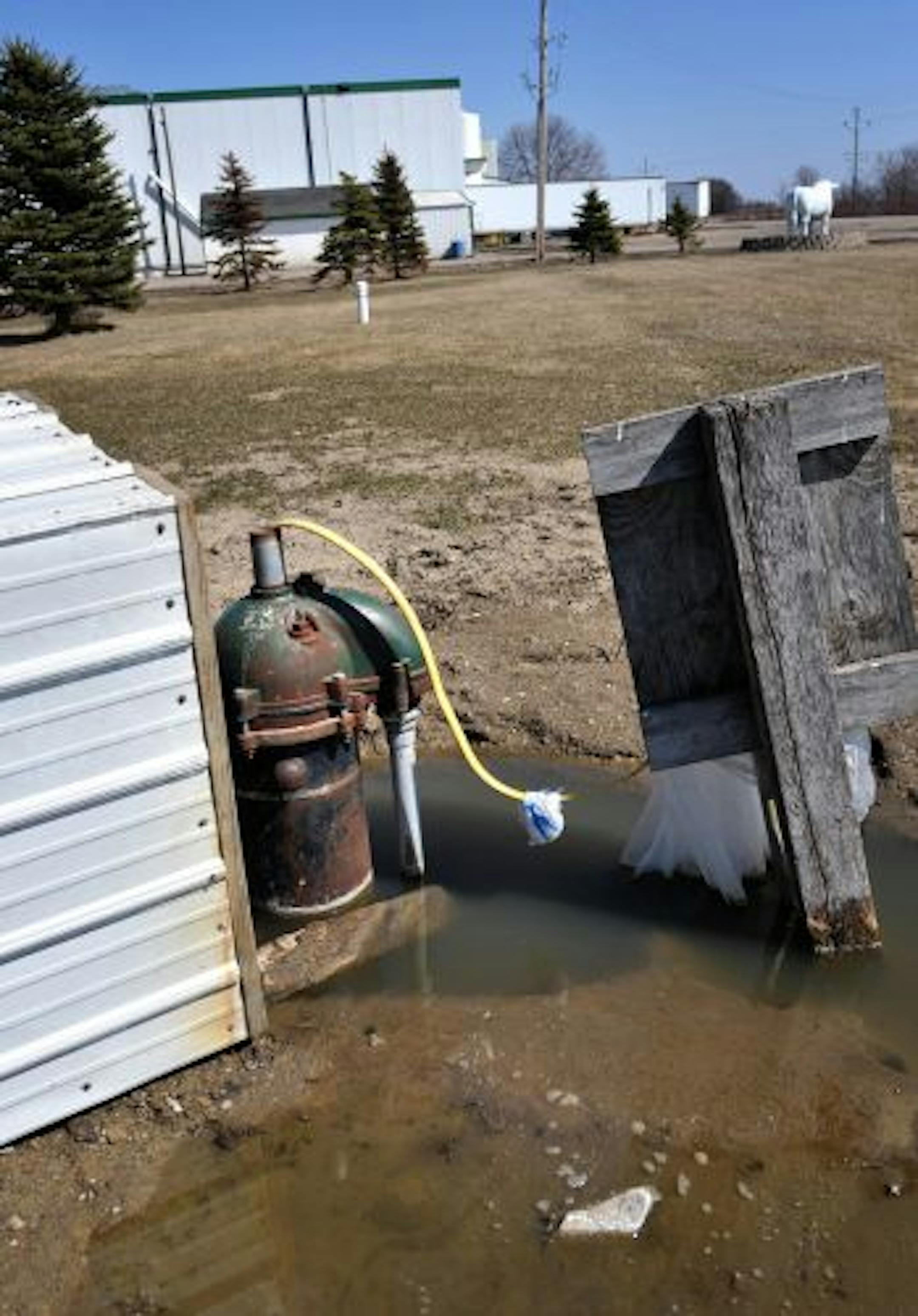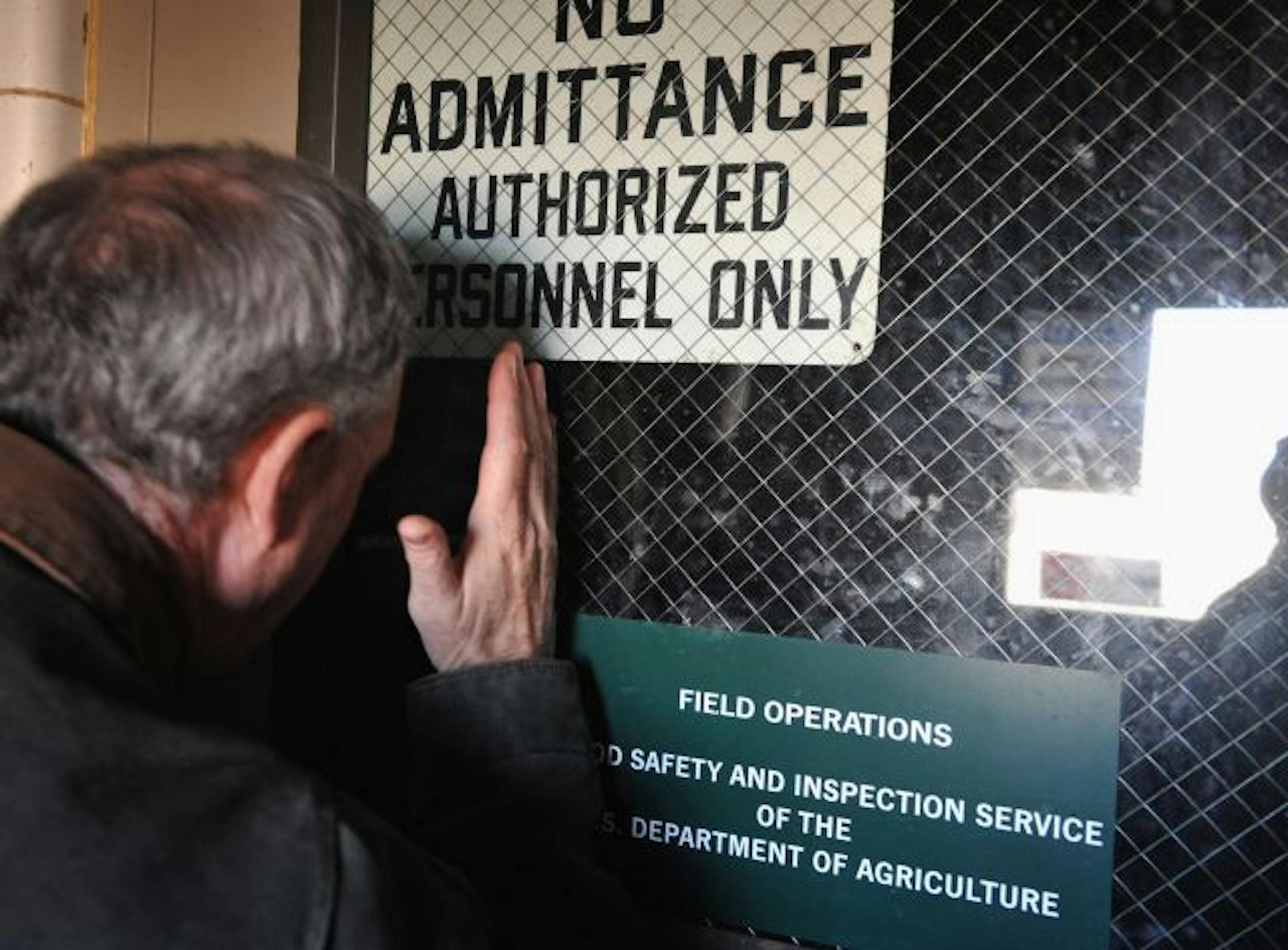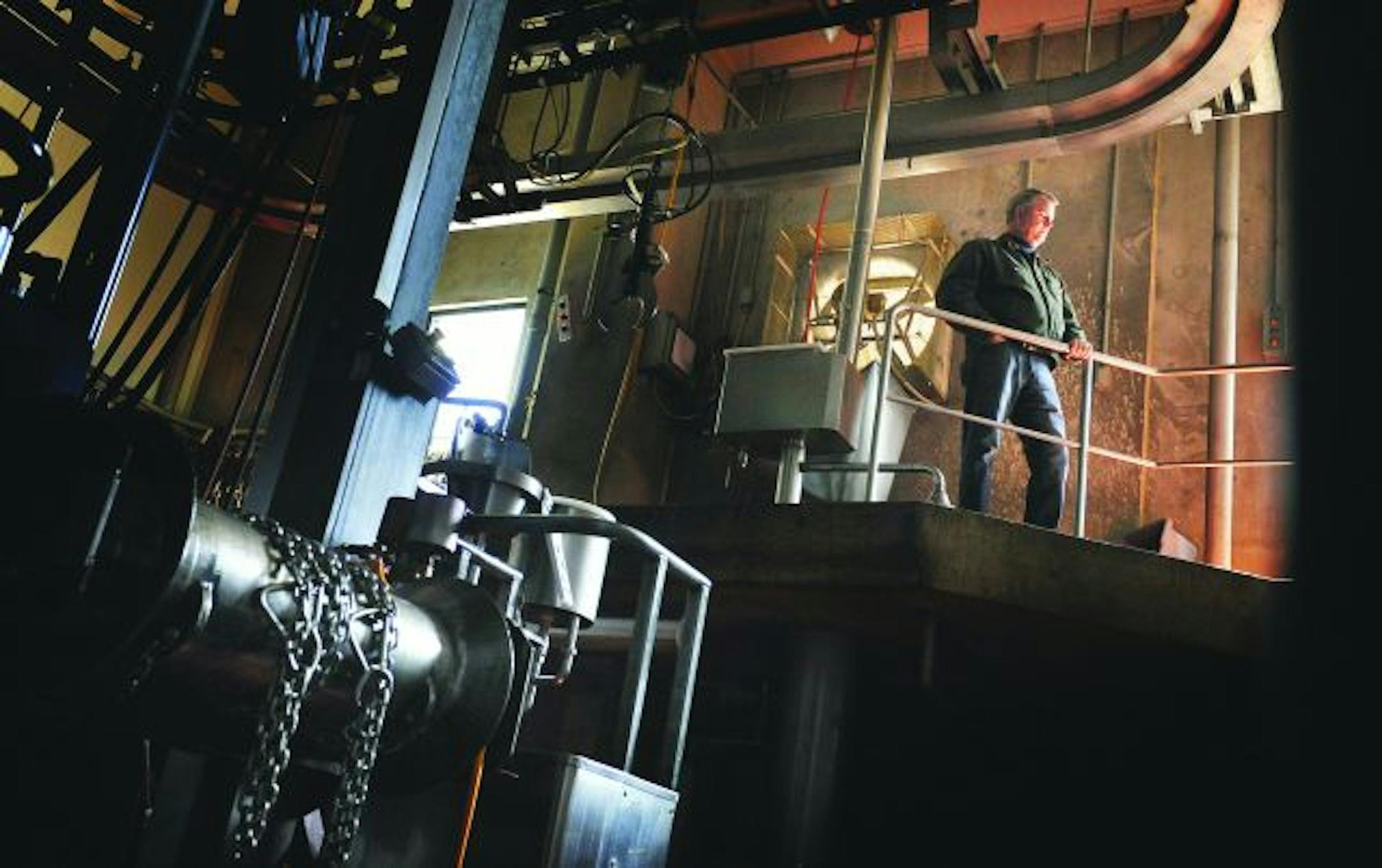
More than 200 workers in a small town 90 minutes west of Minneapolis have lost their jobs after a beef slaughtering plant was forced to shut down because its water contained excessive levels of arsenic, a condition the plant owner said he couldn't afford to fix in time to avoid federal penalties.
"I'm done," said William Gilger, owner of North Star Beef Inc. in Buffalo Lake, Minn.
The shutdown last week resulted from our growing understanding of the toxic effects of arsenic, which has led the U.S. Environmental Protection Agency to implement new, tighter restrictions for drinking water.
The closure was the final blow for a plant that in recent months had fallen behind in payments to its suppliers, suffered a fire that caused at least $1.1 million in damage and racked up back taxes to the county.
"Between the industry, the fire and the water, we're done," said Gilger. "This put us in a category where the bankers said you guys are way too much to risk."
Gilger said North Star Beef has customers in Asia and many domestic locations, including Texas, Florida and Washington state and the cities of Chicago, Detroit and New York.
Arsenic can kill in doses of at least 70,000 micrograms, the weight of a few grains of rice, but not in the trace amounts found widely in Minnesota's groundwater. Some two-thirds of the state's groundwater has arsenic, and some wells register as high as 150 micrograms per liter.
Most of the arsenic occurs naturally and most likely comes from shale left behind by glaciers during the last ice age, according to a state study. The amount of arsenic considered safe for drinking, 10 micrograms per liter, or 10 parts per billion, was lowered from 50 parts per billion in 2001 and became effective in 2006.