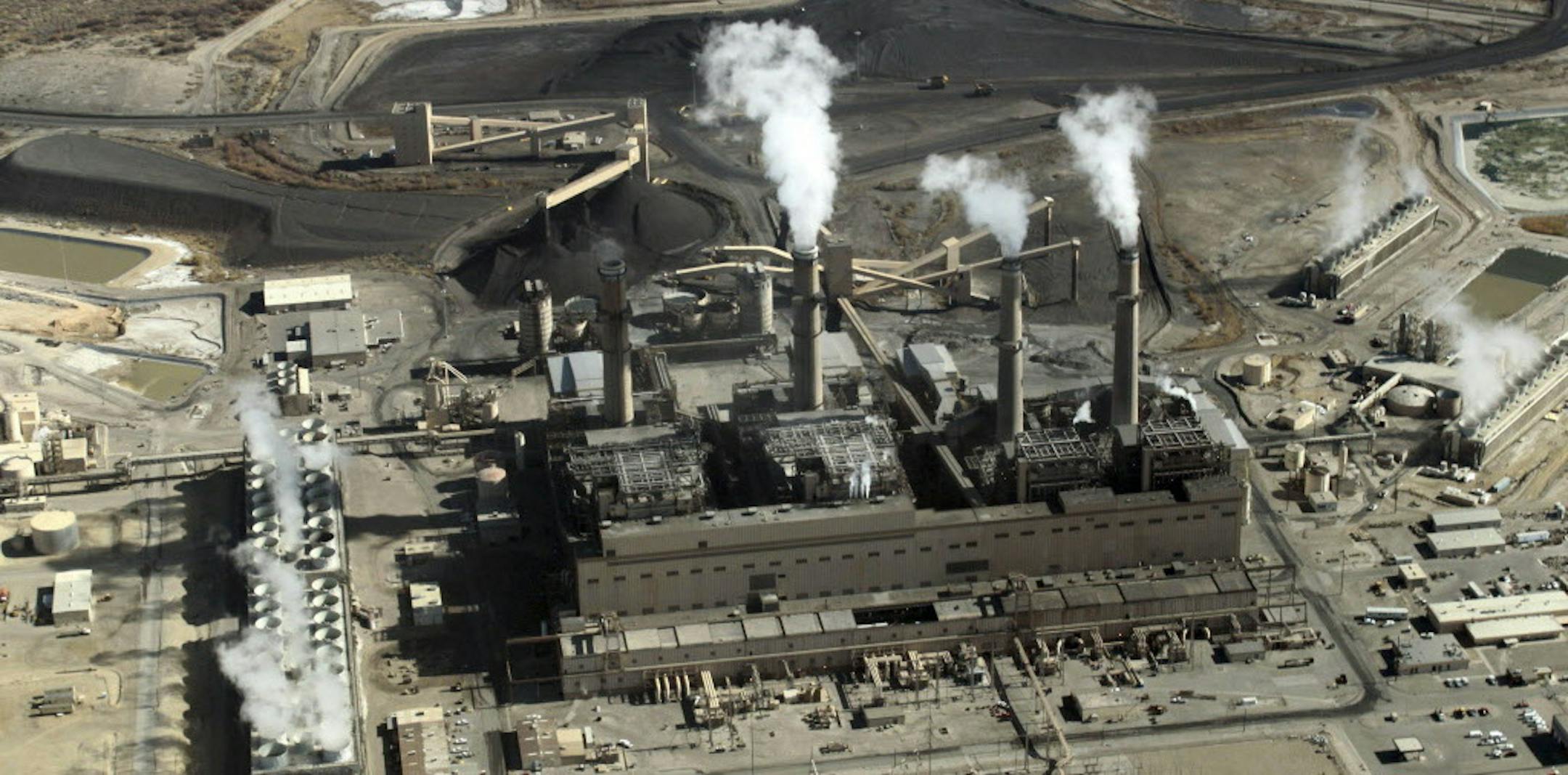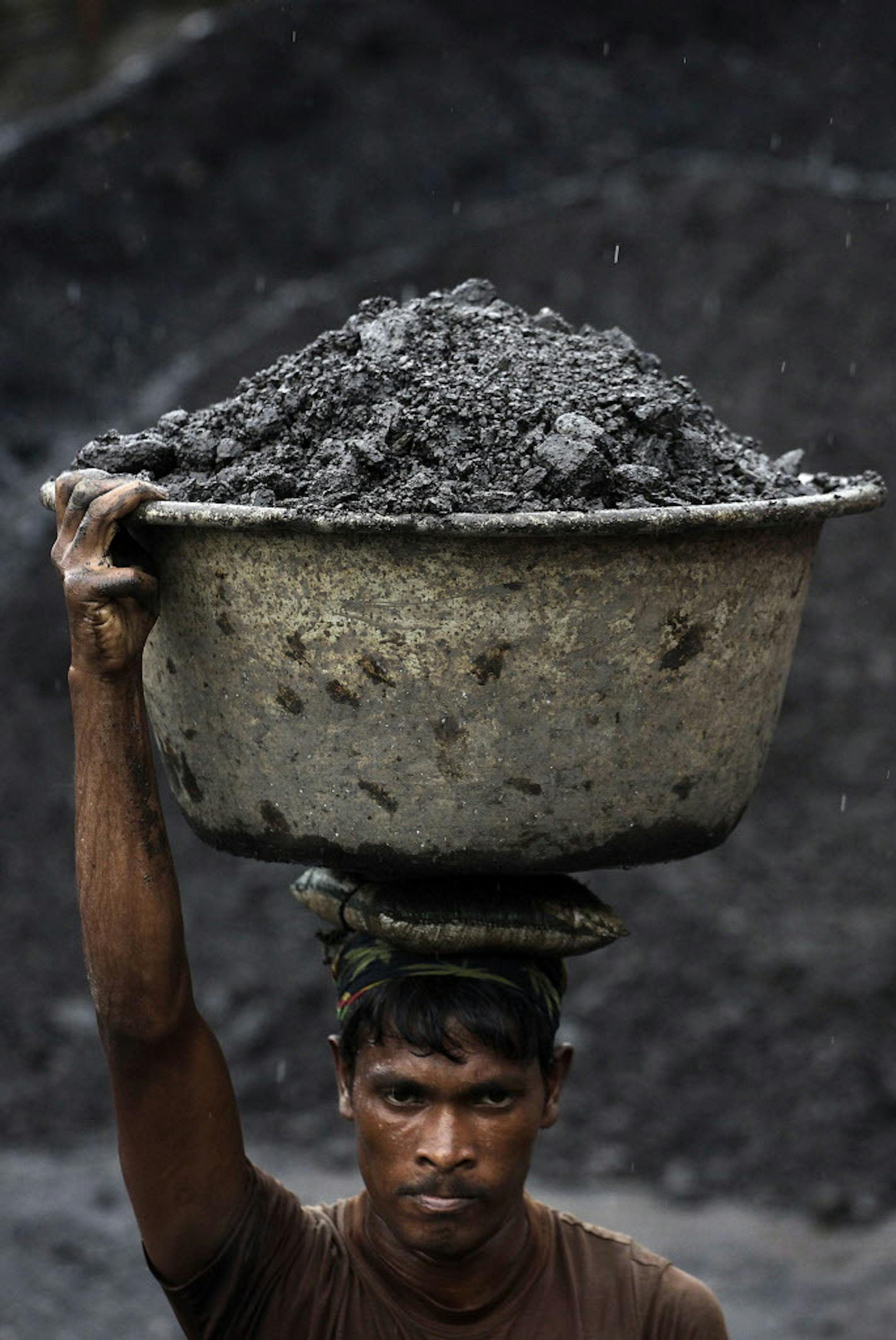
Cheap energy matters most to poor people, and the coal industry's hopes have rested on emerging economies to fuel their modernization.
But growing energy efficiency, rising pollution worries and stiffer competition from other fuels mean that in most countries the tide is turning against coal. Prices have been sliding, political opposition growing and demand drooping. The Dow Jones Total Coal Market index has fallen 76 percent in the past five years.
High-cost deep mines in the rich world are hit the hardest. In the U.S., 24 coal companies have gone bust in the past three years, and one-sixth of the remaining capacity loses money. But even Australia, whose low-cost opencast mines play a role akin to Saudi Arabia's in the oil market, is jittery.
Stoking the gloom is China, once the strongest market. It is still the world's biggest coal consumer, accounting for four-fifths of global demand growth since 2000. But Chinese consumption dipped by 1.6 percent in 2014, despite economic growth of 7.3%. The country's voracious appetite for steel is peaking, damping demand for coking coal.
Worries about pollution mean that demand for thermal coal, as used in power stations, is slackening too. Water conservation is another concern for policymakers — on current trends coal could account for a quarter of China's water use by 2020 and coal reserves are mainly in the most parched regions. Its coal-fired plants are running at only 54 percent of capacity, a 35-year low. In Beijing two big coal-fired plants closed in recent days; the capital's last one will shut down next year.
Another prop to demand has been power generation in rich countries. But in America, coal now struggles to compete with natural gas, which has fallen by 80 percent in price since 2008. Domestic coal use there peaked in 2007. European consumption soared after Germany's hasty decision to close its nuclear-power plants. But gas and renewables are eating into that.
Coalswarm, an environmental think tank, says in a new report that two-thirds of coal-fired power plants proposed worldwide since 2010 have been stalled or canceled. The growth rate in coal-fired generating capacity is slowing, down from 6.9 percent in 2010 to 2.7 percent in 2013. In 2014 the world added more generation from wind-power than coal. Overall, Europe and America have already cut coal-fired generation capacity by over a fifth in a decade.
Political pressure is growing against the most carbon-intensive fossil fuel. Coal provides 40 percent of the world's electricity. But of global capacity, 75 percent is of the dirtiest kind, which burns coal at low temperatures and emits 75 percent more carbon dioxide than the most advanced "ultra-supercritical" plants, which burn powdered coal at high temperatures. The chimneys of all but the most modern coal plants also emit plenty of other nasties.