
Architects forced to redesign

The recession hit architects hard, forcing downsizing and new approaches to business.

September 18, 2012 at 2:20AM
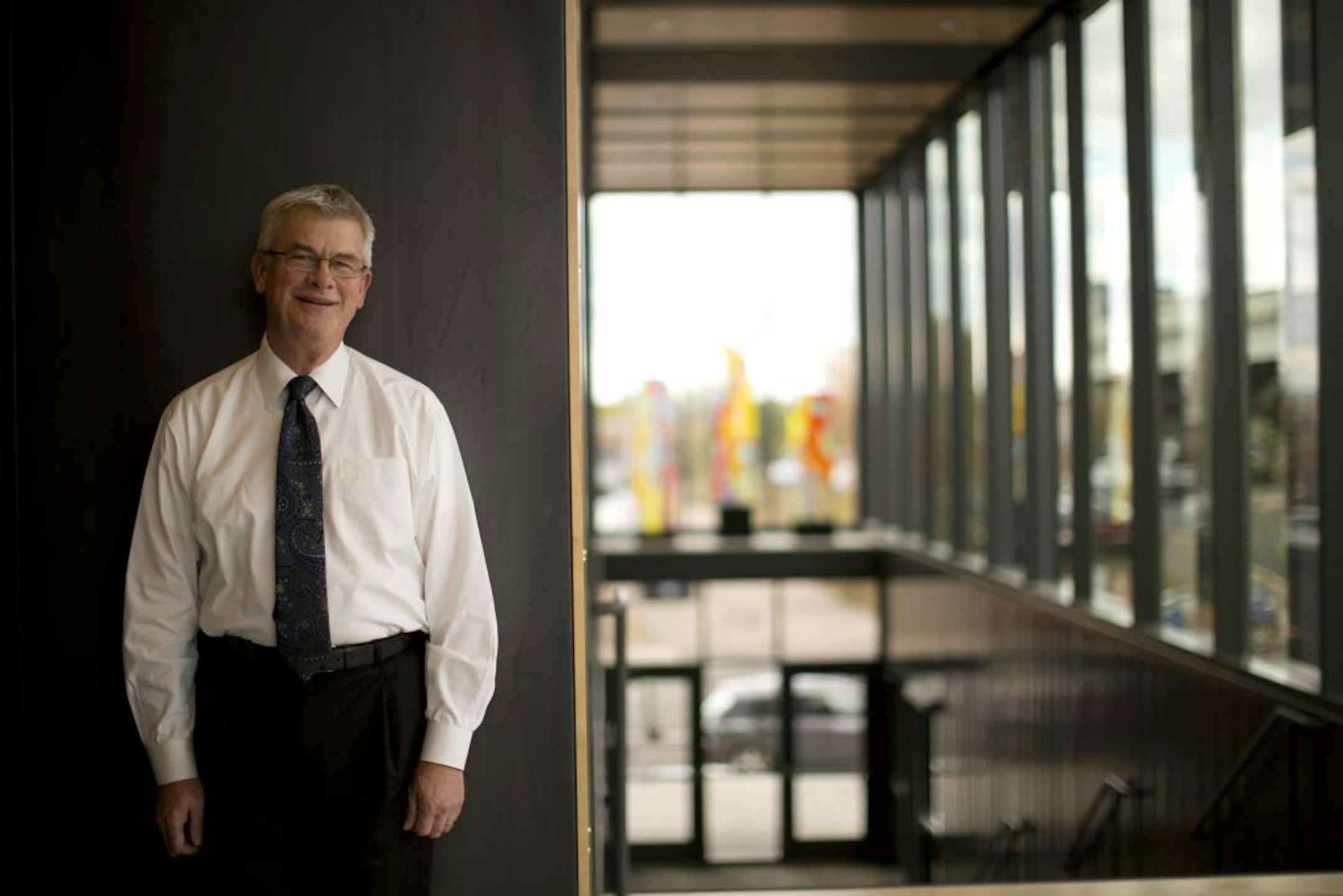
Steve Fiskum, chief operating officer of HGA, said the firm cut about 7 percent of its workforce in the downturn but has since replaced those positions.
Steve Fiskum, chief operating officer of HGA, said the firm cut about 7 percent of its workforce in the downturn but has since replaced those positions. (Star Tribune/The Minnesota Star Tribune)

While the recession is fading and the housing market is recovering, many architecture firms are still caught in a mighty struggle.

A national survey shows billings have plummeted at an unprecedented rate, firms are smaller and companies have had to venture into new corners of the industry to try to rebuild their business.

"I don't think anyone has ever experienced anything of this magnitude," said Steve Fiskum, who was the 2011 president of the Minnesota chapter of the American Institute of Architects.

According to the AIA's Business of Architecture survey, revenue has fallen an average of 40 percent from 2008 to 2011. During the worst four years of the downturn -- from 2007 through 2011 -- more than a quarter of all architecture-related jobs were eliminated, peeling back an 18 percent growth spurt during the previous four years. Among the hardest hit were technical and support staff positions -- jobs that didn't result in direct billings.

Twin Cities architecture firms say that while the worst of the downturn is over and very few Twin Cities architectural offices went out of business, there are still many architects out of work and a tremendous amount of uncertainty.

Such sobering news comes at a time of double-digit growth for home sales and new construction. But the architectural and construction industries are still waiting.

"We're the first to get sick, and the last to get well," said Dave Norback, president of RSP Architects in Minneapolis.

He said before the downturn, his company was on track for unprecedented growth, but in a matter of months it saw a 25 to 30 percent decline in revenue. That meant a comparable cut in staff levels, Norback said.

Thanks to Minnesota's diverse economy and a significant increase in sustainable and "green" projects that require the services of skilled architects and engineers, RSP is now better than it was before.

Back on solid footing?

Still, Norback isn't overly confident.

"We've replaced it all and are ahead of where we were, but we're still wondering, 'How strong is the ground you're standing on?'"

Clearly, the downturn didn't affect all firms in exactly the same ways. Many large firms survived because of the diversity of their client base, while others were too big to be nimble enough to adapt and adjust to new market conditions. Those that fared the best were often those that reacted soonest. And for many, adaptation has been the name of the game. For firms that specialized in designing houses, the housing crash was particularly devastating, forcing architects to search for smaller projects that were being done by homeowners who chose to spend money on their existing house rather than designing and building a new one.

Dale Mulfinger, founding principal at SALA Architects, a residential firm, said he and his partners made the difficult decision to close one of three offices and trim staff from 40 to 25.

"The crash was a dramatic period and I had to say farewell to a lot of talented individuals, and friends," he said. "We hung on as long as we could, sharing the burden, but eventually thought it best to set some folks free to find new opportunities and to stabilize with others who formed a core group."

He said the tide is turning, and that for the past two years, business has been more stable. "There appears to be a bit more optimism," he said. "Those who can take building action have decided this is the economy we face, and time is fleeting in their lives, so why not build that new home, add that family room or invest in the family legacy at the cabin?"

Fiskum didn't wait for the darkest days of the recession to start making tough decisions.

The chief operating officer of HGA, one of the state's largest architectural firms, initiated a round of cuts that slashed about 7 percent of the company's workforce. But the company's decisions ultimately brought it enough new business to replace the positions it had cut -- and more.

"We invested and had the financial wherewithal to make those investments and it paid off," he said.

Jim Buchta • 612-673-7376

about the writer

about the writer

Jim Buchta

Reporter

Jim Buchta has covered real estate for the Star Tribune for several years. He also has covered energy, small business, consumer affairs and travel.

See Moreicon

More from Business

See More
card image
Spencer Platt

The U.S. stock market roared back on Friday, as technology stocks recovered much of their losses from earlier in the week and bitcoin halted its plunge, at least for now.

Attendees of Frostbike made their way through the convention Saturday at the Quality Bike Products campus in Minneapolis. ] (AARON LAVINSKY/STAR TRIBUNE) aaron.lavinsky@startribune.com Frostbike 2016 was held at the Quality Bike Products Campus on Saturday, Feb. 27, 2016 in Bloomington, Minn.
card image
