

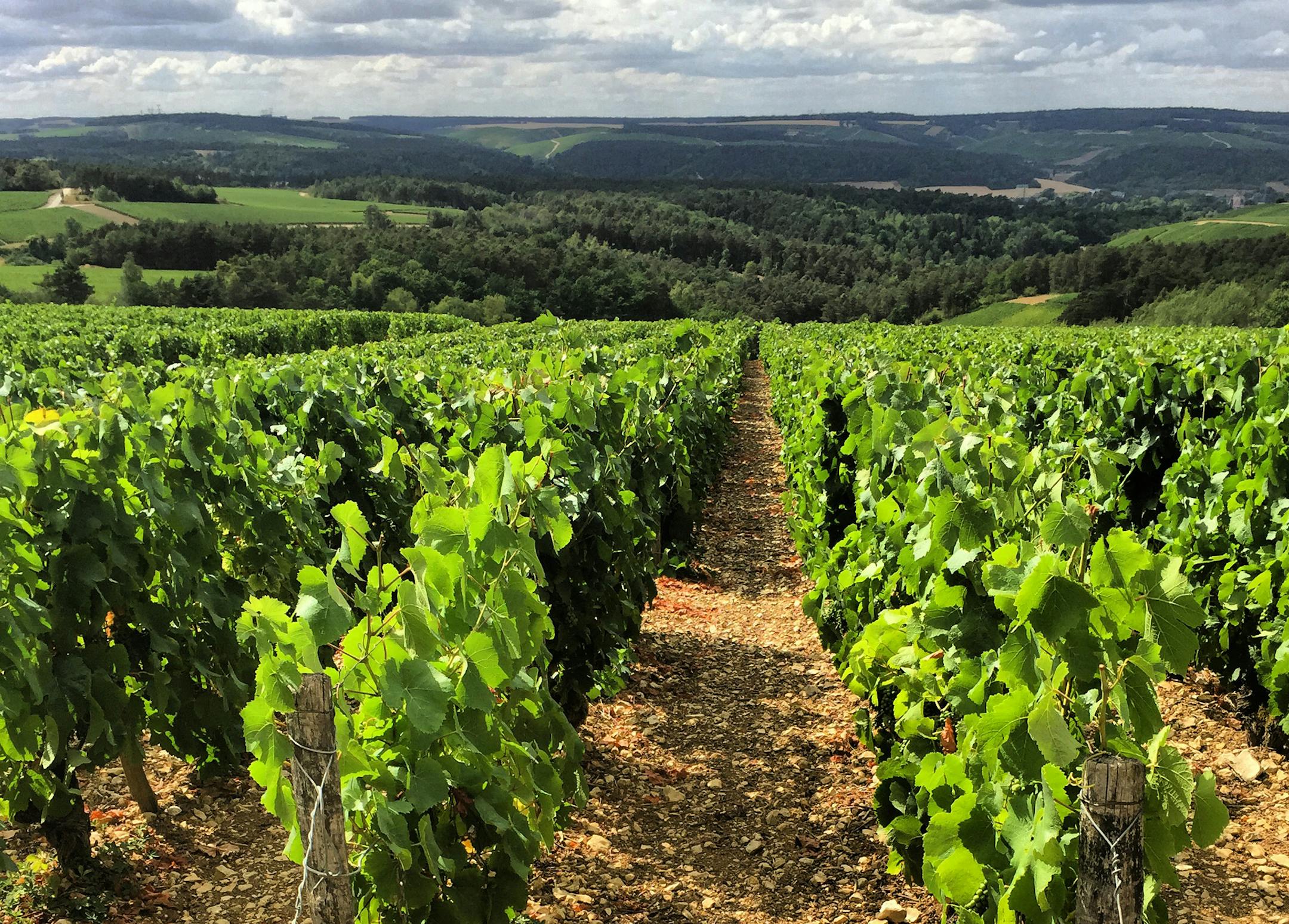
In the predawn hours of April 27, as temperatures across Bordeaux plunged below freezing, the normally dark and deserted vineyards suddenly sprang to life. Armies of workers decamped into the fields, fires raged and giant fans and helicopter blades whipped up the icy air.
The invading enemy: A frost that threatened one of the world's most valuable crops, the grapes that produce $4,000 bottles of Chateau Petrus and other prized wines.
The cold, which caused at least $1.1 billion of damage in what France's winemakers call the biggest disaster in a quarter century, is the latest blow to a French industry that exported 8.25 billion euros worth of wine in 2016 but has lost share globally in recent years. As frost ravaged vineyards from Bordeaux to Burgundy to Champagne, a grower's fate depended on resources, planning and, not least, luck.
Among the shivering workers in Bordeaux that night was Ines de Bailliencourt of Pomerol estate Chateau Gazin, who quickly realized that she was facing the biggest frost menace to her vines since the great freeze of 1991 that wiped out 90 percent of the vineyard. This time she says the estate was better prepared to ward off the freeze, lighting hundreds of giant, heat-producing candles to warm the vines.
"We were lucky," said De Bailliencourt, whose family has owned Gazin for the past century and sells its wine for $50 to $100 a bottle. "We lit fires everywhere."
Less than 6 miles to the south, just below the historic town of Saint-Emilion, others were facing greater losses. Unlike Gazin, on the region's plateau, Chateau Canon La Gaffeliere sits on low-lying ground and was more vulnerable to pockets of freezing air forming below the slopes. More than 70 percent of its vines were damaged, according to Magali Malet-Serres, who works at the winery.
Some other Bordeaux châteaus say they lost almost everything. Other regions suffered less, but this is the second straight year of deep freezes for Burgundy, where the regional wine board said Friday that 7,400 acres of vineyard were affected.
While climate change has generally led to earlier harvests and riper grapes, cold weather remains an annual threat in France.


