


If you’re looking for a brand-new mystery with a Sherlock Holmes vibe, you are — as the British heroes of two new books might say — spoiled for choices.
“Sherlock Holmes and the Real Thing” is the latest from Nicholas Meyer, who has been writing his series of (supposedly) newly unearthed mysteries featuring the great detective since the 1970s, when “The Seven-Per-Cent Solution” was a bestseller. His “Real Thing” takes place in the 1890s.
Set in London in 1879, just barely preceding Holmes’ era, is Charles Finch’s “The Hidden City.” It’s the 15th in a series that features brilliant sleuth Charles Lenox, who is not Holmes but who’s enough like him to please aficionados. Written by Americans, both mysteries have to do with England’s class structure and both feature characters fighting for Englishwomen’s right to vote.
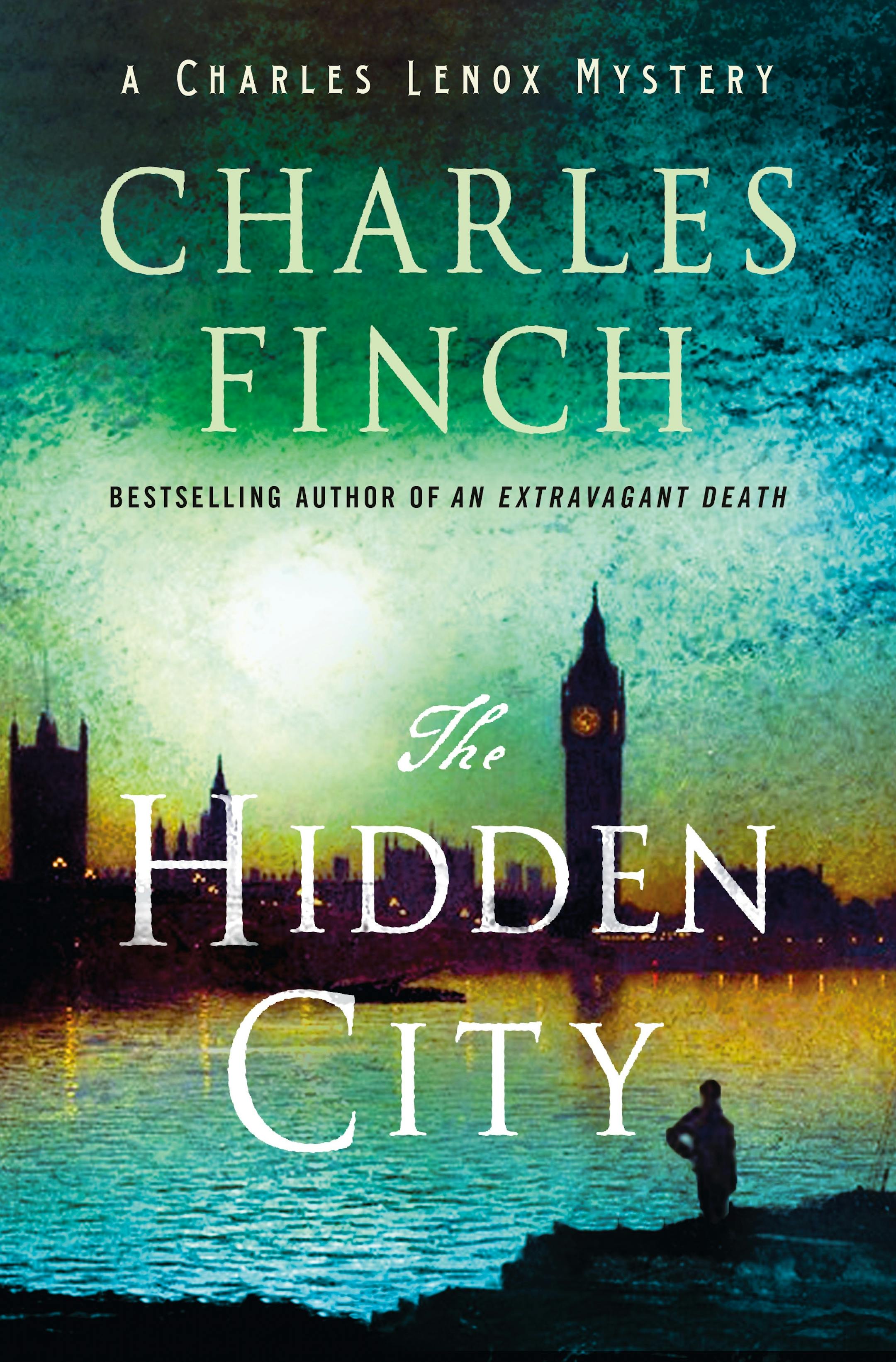
Finch’s book is the more elegant of the two and a more compelling mystery. Lenox, who has Holmes’ love/hate relationship with Scotland Yard but uses his aristocratic connections to his advantage, awaits a ship at the beginning of “Hidden.” Its passengers include his niece Angela, whose father died recently in India, and her companion Sari.
All of them become embroiled in a series of murders that dates back several years and involves, somehow, a secret society. It’s a satisfying puzzle and the book stands on its own just fine, but the gift in Finch’s books is following his characters as they evolve over the course of the series.
“Hidden” picks up after the 14th book, “An Extravagant Death,” with Lenox recovering from injuries he sustained in that America-set mystery (“Hidden” hints he may be about to cross the Atlantic again). Lenox’s relationship with his wife, Lady Jane, is particularly fascinating, since he’s ambivalent about her passionate campaign for suffrage. How they navigate that disagreement and how it’s viewed by high society would make for an entertaining book, even if there were no mystery.
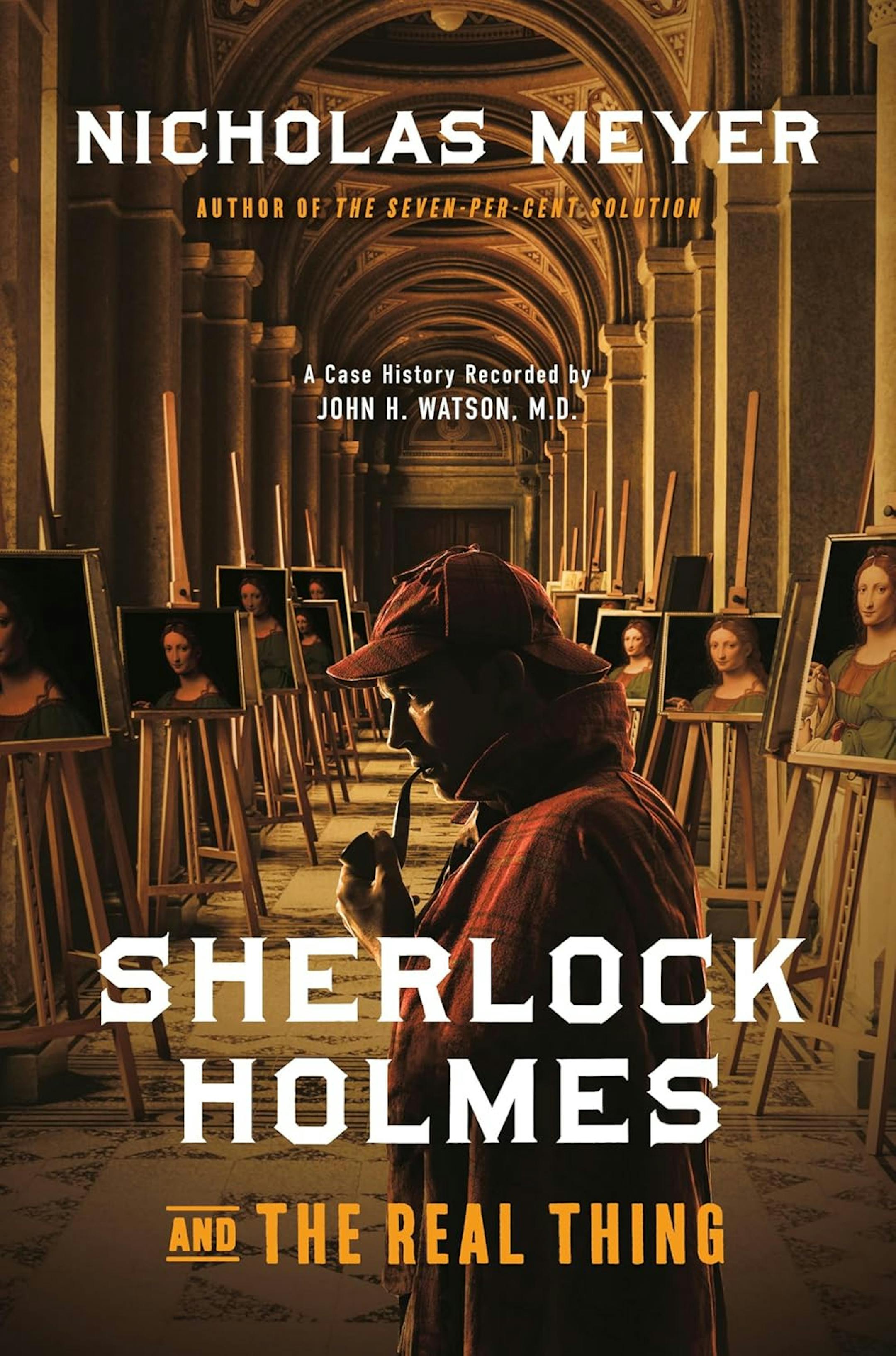
A potential love interest for Dr. Watson is the suffragist in “Real Thing,” in which Meyer grapples with issues of authenticity. When Holmes and Watson search for a missing painter, they encounter a secret world of forgers who alter existing paintings to personalize them for customers.
There are fascinating parallels to today in that mystery, with artificial intelligence blurring the lines between fakes and “real things,” and Meyer writes with wit and a flair for bringing the Victorian era to life as his characters, for instance, take in an Oscar Wilde play (Finch’s characters debate Charles Dickens’ impact on British holidays).


