

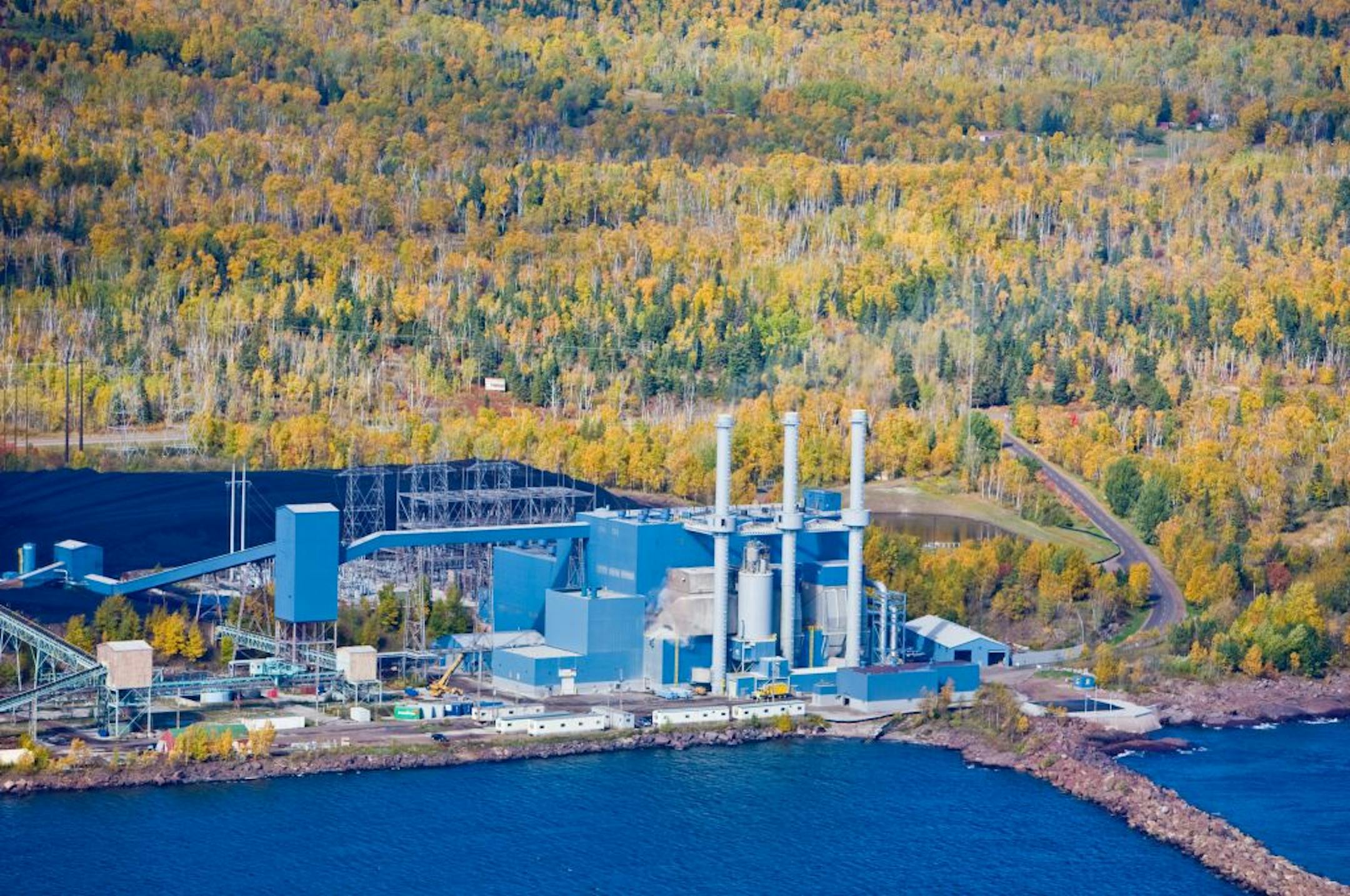
The state's most coal-dependant power company said Wednesday that it will stop burning the fuel at three of its oldest electrical generators in 2015.
The announcement by Minnesota Power is the latest sign of coal's decline in the electric power industry. Seven other power generators owned by three other Minnesota utilities also are turning away from coal to avoid adding expensive controls for mercury emissions by 2016.
Minnesota Power, the electric utility serving the Iron Range and central Minnesota, said it plans to convert both coal-fired units at its Laskin Energy Center in Hoyt Lakes, Minn., to burn natural gas in 2015. The project will cost $15 million, the utility said.
One of the three coal-fired units at the utility's Taconite Harbor power plant in Schroeder, Minn., will be retired in 2015, the company said. Two other coal units at the plant will keep operating, as will four coal units at two other Minnesota Power plants.
The three plants turning away from coal range in age from 46 to 60 years. But the company's CEO, Al Hodnik, said they have been well maintained, remained economical to operate and "are workhorses on the system." He said the company concluded that upgrading them to keep burning coal would not be a good investment.
Minnesota Power, which supplies power to 144,000 customers, generated 95 percent of its electricity from coal seven years ago, a share that is down to 75 percent today. The Duluth-based company also has wind farms and hydroelectric power, and plans to purchase more hydro from Canada.
"I would like to think that by 2025 we will be a third coal, a third natural gas and third renewables," Hodnik said in an interview with the Star Tribune Wednesday. "The principle that the company values the most, and frankly that the industry values the most nationally, is fuel diversity."
Even as it ends coal burning at three units, Hodnik said the company intends to invest $350 million on pollution controls for its largest power plant, Boswell 4 in Cohasset, Minn. He said the three-year project will mean up to 500 construction jobs.



