

Opinion editor’s note: Strib Voices publishes a mix of guest commentaries online and in print each day. To contribute, click here.
•••
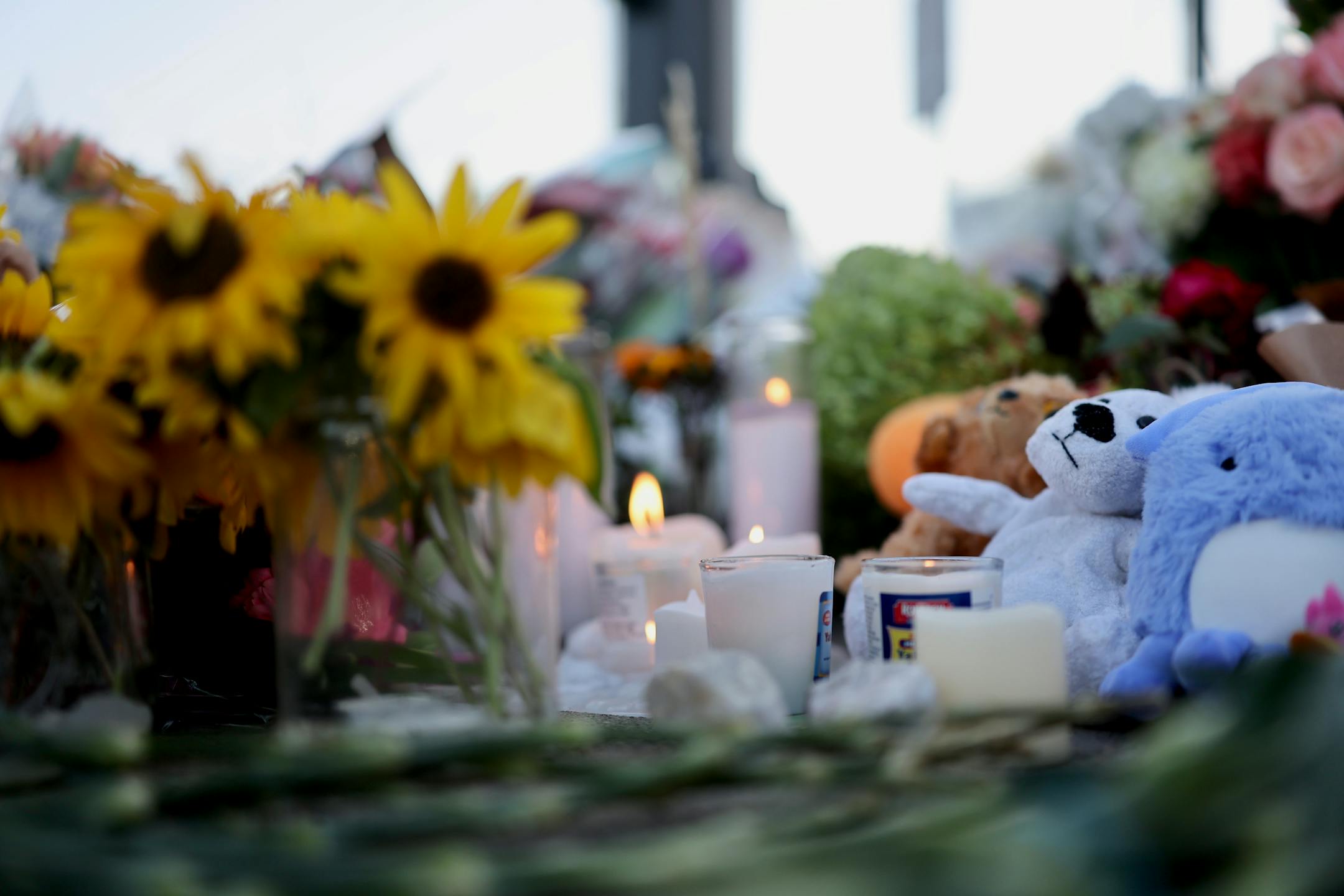
The night after the shooting at Annunciation Church in Minneapolis, I lay awake, unable to sleep. What haunted me most was this: I had picked up my child from school that day. I saw them run into my arms, felt the weight of their hug, listened as they poured out the small stories of their day. For some parents in our city, that everyday ritual will never happen again. Two children will never run into their parents’ arms. Two voices will never be heard at the dinner table. That truth pressed down on me — grief, anger, helplessness all mingled together.
And yet, as the night stretched on, I found a measure of peace. Not because the sadness had lessened, but because I resolved to do something. My resolution was simple: Do what babies do.
Babies come into this world helpless. They cannot feed themselves, protect themselves or even roll over. And yet they are born with an extraordinary gift: the ability to connect. From their very first breath, babies reach out to their caregivers and to their community with two elemental messages: “I need your care.” And “You matter to me.”
This is the essence of our humanity. When we are under stress, when we feel threatened or afraid, unlike other creatures, we don’t survive alone. We turn toward one another. Relationship is our shield and our balm. It protects us from harm, and it helps us heal from trauma.
And babies show us what that really looks like. Connection happens not in grand gestures, but in micro-moments: when a caregiver responds with warmth, when they reconnect after missing a cue, when they create safety that allows a child to explore the world with trust. Claudia Gold, a pediatrician and author, describes four truths that guide these early bonds:
- Relationships are messy. Growth doesn’t come from perfect attunement, but from the act of reconnecting when we miss each other’s bids for connection.
- Safety is not built by words alone. It’s carried in tone and touch, in presence and consistency. A child feels safe not because they are told, “You are safe,” but because their body recognizes it — in the steadiness of a voice, in the reliability of care, in the warmth of an embrace.
- Every child comes into the world with unique qualities, and when those qualities are honored, relationships become a source of strength.
- And children thrive when they feel “held in mind” — when they sense that someone is carrying their thoughts and feelings with them, even in absence.
If these are the principles that allow infants to grow, then perhaps they are also the principles that can allow us to heal.


