

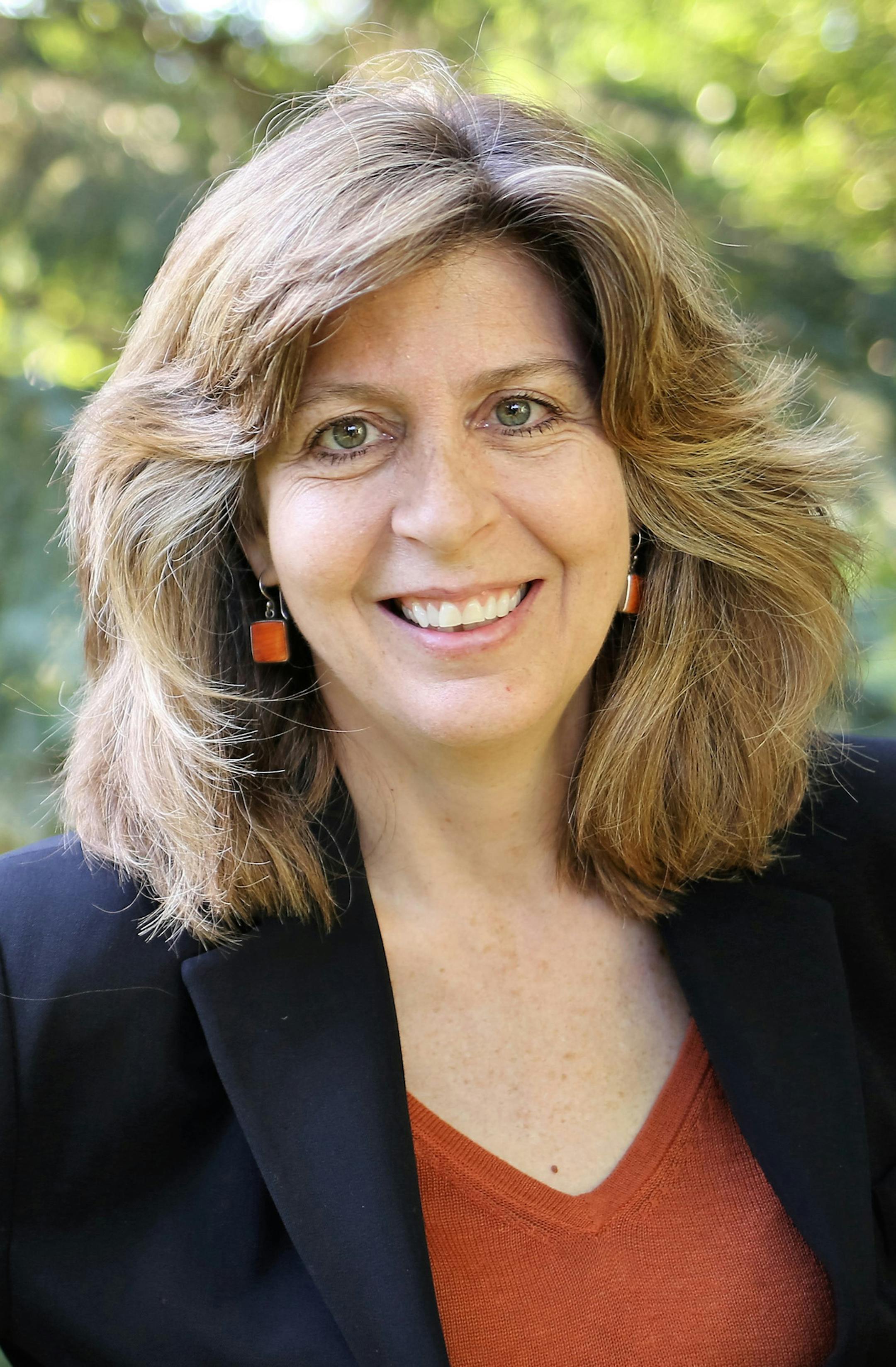
Anne Mavity started her career by spending her days pounding the streets of an inner-city neighborhood as a community organizer; then she spent four years in Russia where she was a front-line worker for the United States Agency for International Development.
Since, she has worked on a congressional subcommittee on housing and has provided technical assistance and underwriting at the Corporation for Supportive Housing (CSH). Most recently, Mavity was in charge at Beacon Interfaith Housing Collaborative, where she advocated for affordable housing across the metro and helped Edina, which has recently adopted its first supportive housing development.
Thirty years after launching a career that has been focused on affordable housing, fundraising and development, Mavity is confronting a new challenge — she is the executive director at the Minnesota Housing Partnership (MHP), a nationally known affordable housing organization that is tasked with helping to increase housing opportunities for low-income families.
It is a daunting challenge considering that her predecessor, Chip Halbach, helped start the organization and was its top executive for three decades, and that the disparity between family income and rents keeps growing wider.
As she begins her second month on the new job, she talked about her career and the challenges that she faces in her new role. Excerpts from an interview:
Q: What inspired you to focus on the housing issue?
A: A few years back, I was a volunteer interviewing people who were experiencing homelessness as part of the "Oral History" project which was supported by a Minnesota Historical Society Legacy Grant, led by local writer Margaret Miles. The goal was to document the experience of being homeless. During these conversations, I was so moved by the optimism and perseverance of individuals that were facing so many challenges on a daily basis, just to find a place to sleep, basic shelter to stay warm and food to eat. Once you learn someone's story, meet them as a person and not as a statistic, it takes this conversation beyond the numbers and into a deep understanding of the human costs of our inaction.
Q: What is the biggest challenge following in the footsteps of the founding executive?


