


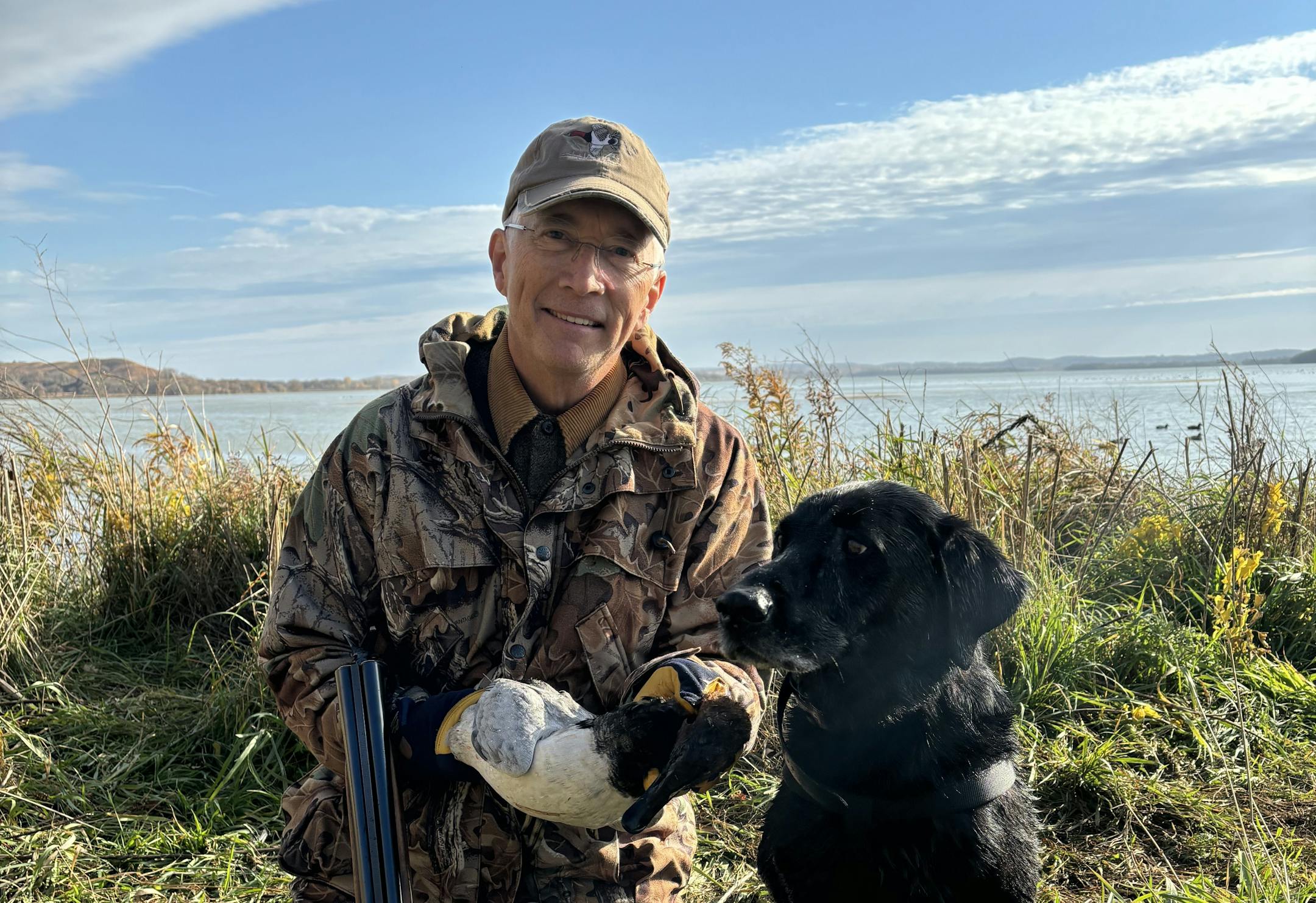
Mark Johnson, 67, is retiring next month after 11 years as executive director of the Lessard-Sams Outdoor Heritage Council (LSOHC). A hunter and angler, Johnson holds a bachelor’s degree from Bemidji State University and a master’s in management from the College of St. Scholastica in Duluth.
Before joining the LSOHC, Johnson was a regional director for the Ruffed Grouse Society, ran the state’s Turn In Poachers program and was executive director of the Minnesota Deer Hunters Association.
In 2008, voters approved the Clean Water, Land and Legacy Amendment, dedicating three-eighths of 1% of state sales tax revenue to fish, game and wildlife habitat; clean water; arts and cultural heritage; and parks and trails. The Outdoor Heritage Fund, which pays for the habitat work, is overseen by the LSOHC.
In the interview below, Johnson explains how the council works and what the nearly $2 billion it has recommended for fish, game and wildlife habitat since 2008 has accomplished. The interview has been edited for length and clarity.
Q: Fraud in state government is in the news, and the Outdoor Heritage Fund has grown to $189 million, which is distributed annually for game, fish and wildlife habitat. Can taxpayers be assured the money is being managed wisely and legally?
A: In the 17 years, the LSOHC has recommended, and the Legislature has approved, nearly $2 billion of project work. We’ve been audited regularly by the Legislative Auditor. We’ve had minor issues over receipts and such. But it’s been caught early. It helps that all of our money is paid as reimbursements. Work has to be approved and completed before a vendor is paid.
Q: How does the council review proposals?
A: The 12 members — made up of eight citizens, all volunteers, and four legislators — review all proposals we receive each year, with my staff and I available to answer questions. The group or agency submitting the proposals also are available to answer questions. Then a vote is taken, which provides the council’s initial scoring. Groups or agencies that make the cut then come before the council to explain their proposals. More questions are asked and answered, considerable deliberation occurs, and another vote is taken.


![Attendees of Frostbike made their way through the convention Saturday at the Quality Bike Products campus in Minneapolis. ] (AARON LAVINSKY/STAR TRIBUNE) aaron.lavinsky@startribune.com Frostbike 2016 was held at the Quality Bike Products Campus on Saturday, Feb. 27, 2016 in Bloomington, Minn.](https://arc.stimg.co/startribunemedia/NH2BSHB74ND2V6GF2G2HI5X4MM.jpg?&w=252&ar=3:2&fit=crop)