


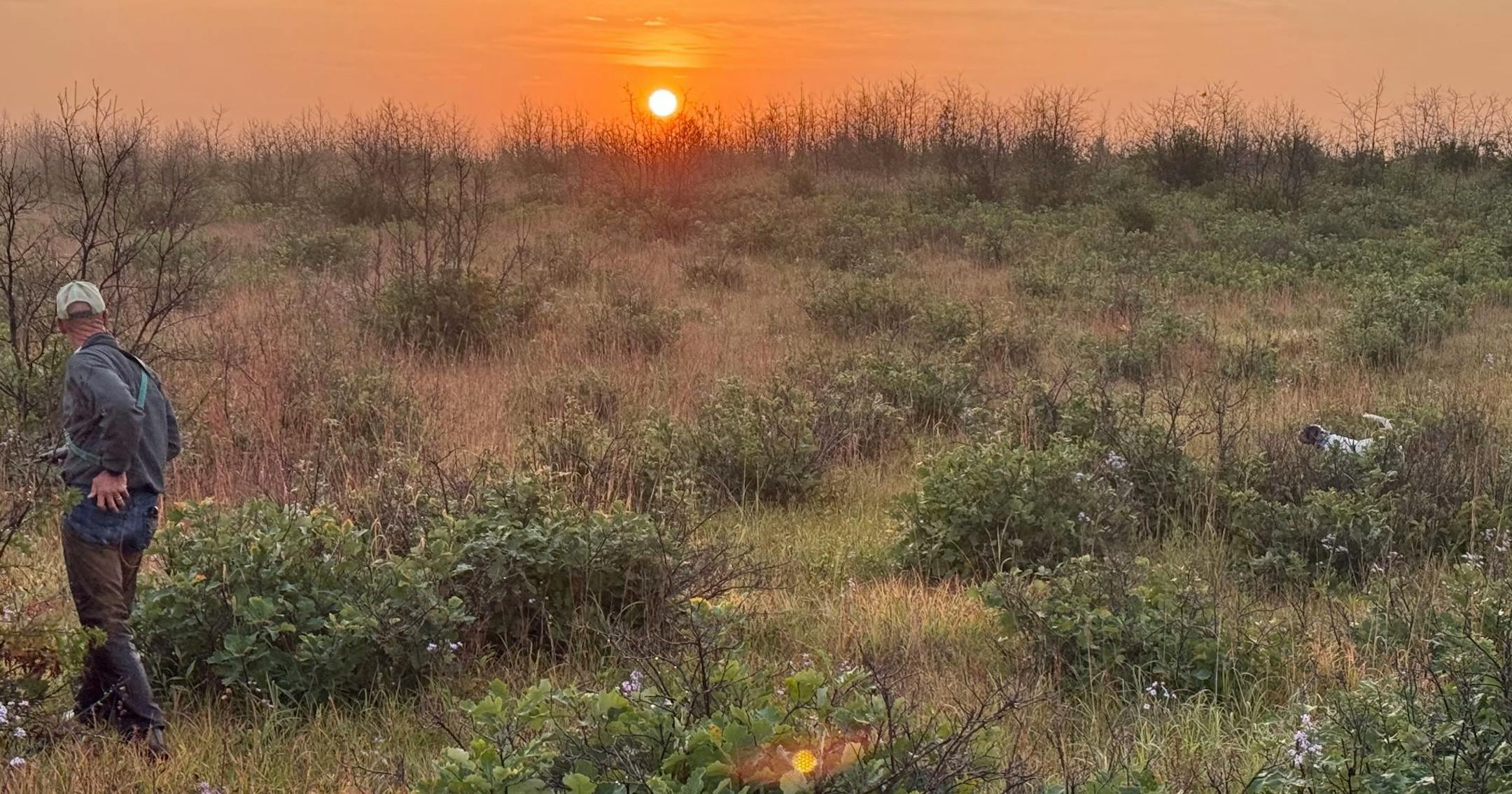
Minnesotans chasing a cavalcade of seasonal colors often parade at this time of year from the Twin Cities to Duluth and from there farther north along the Lake Superior shoreline. Alternatively they divert at Moose Lake or Cloquet and angle toward Grand Rapids or perhaps continue to Ely or International Falls.
What’s missed in this rush to see see maples, tamaracks, birches and oaks ablaze in autumnal colors are the cat-and-mouse scurries that occur in and among these trees far from the madding crowd.
Consider ruffed grouse.
Preparing for winter, in September and October these elusive game birds fatten themselves on gray dogwood berries, hazel catkins, high bush cranberries and, where they can find them, acorns.
Alert for predators, grouse keep a sharp eye out for goshawks, great horned owls and a host of four-legged critters, including bobcats, fishers and foxes.
Men, women and children also are among those who have hunted Ol’ Ruff, dating to when Native Americans popped them with blunted arrows, or snared or trapped them.
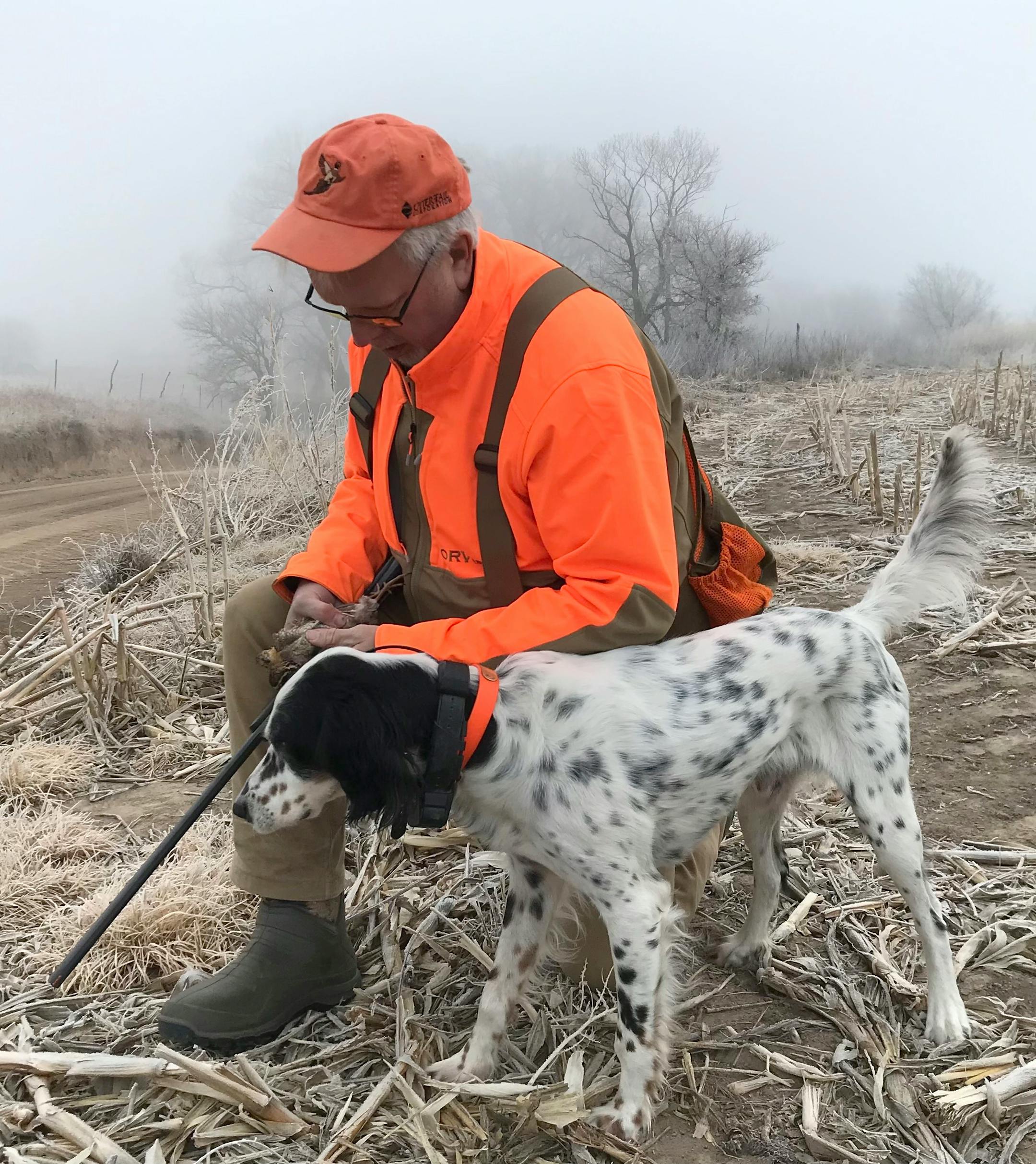
Some early colonists amended this process, preferring instead to pursue ruffed grouse by putting pointing dogs to ground and following them with gun in hand — a grand old British tradition.
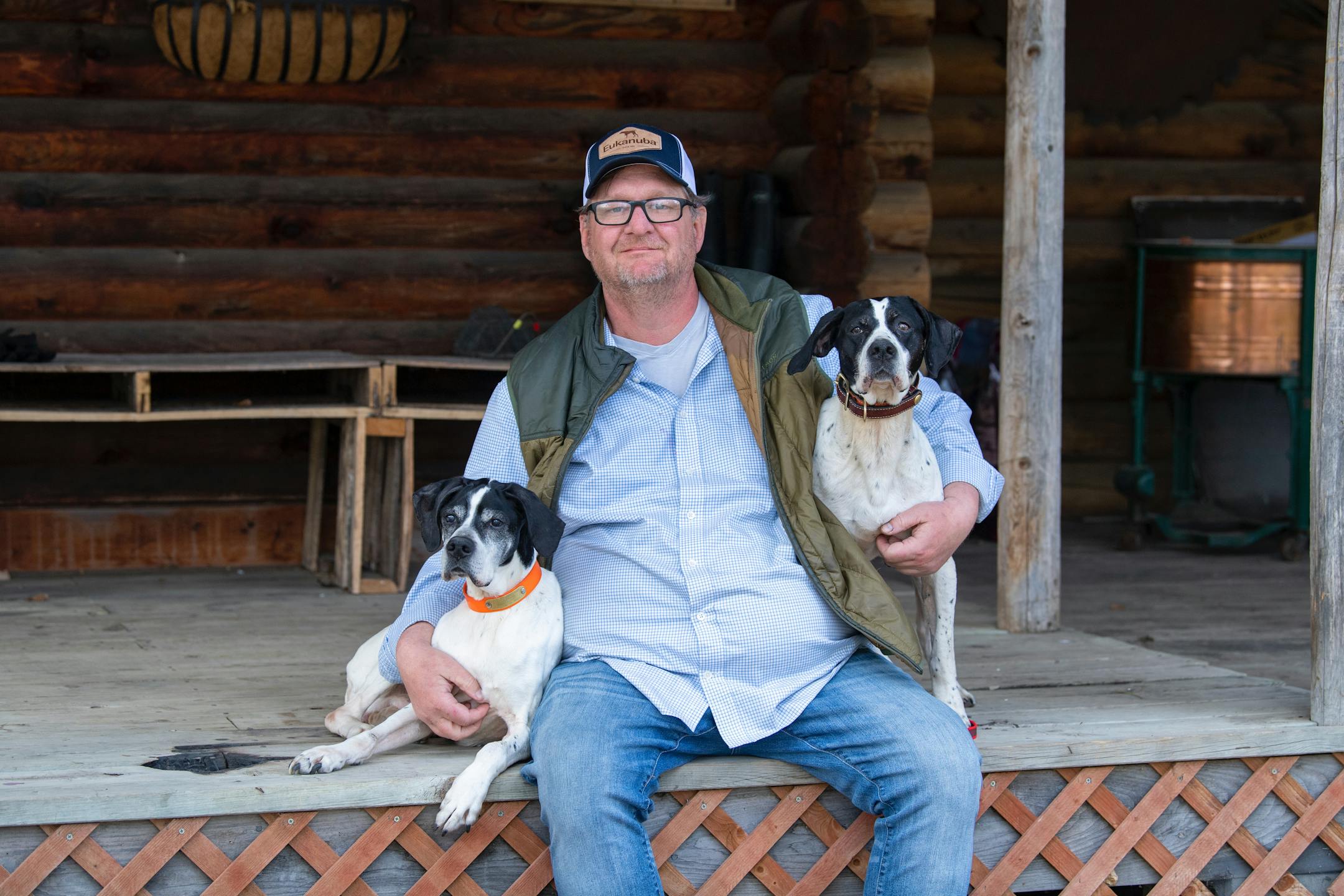
Among the first of these bird-finding imports were English setters, followed by English pointers. Or, as the latter are commonly known today, just pointers.


![Attendees of Frostbike made their way through the convention Saturday at the Quality Bike Products campus in Minneapolis. ] (AARON LAVINSKY/STAR TRIBUNE) aaron.lavinsky@startribune.com Frostbike 2016 was held at the Quality Bike Products Campus on Saturday, Feb. 27, 2016 in Bloomington, Minn.](https://arc.stimg.co/startribunemedia/NH2BSHB74ND2V6GF2G2HI5X4MM.jpg?&w=252&ar=3:2&fit=crop)