

Is pro football about to go the way of the gladiators and the lions?
A new study of more than 3,400 National Football League players who played at least five seasons between 1959 and 1988 published in the journal "Neurology" reports a combined death rate from Alzheimer's, Parkinson's and Lou Gehrig's diseases in that cohort of about three times the rate for the general population of American men.
The study didn't deal with a disease known as CTE (for chronic traumatic encephalopathy), and of the 334 of the group who had died by the end of 2007, it is thought some may have died from CTE.
Now the NFL has pledged a $30 million grant to the National Institutes of Health to study the brain, specifically CTE, concussion management and treatment, and the relationship between traumatic brain injury and late-life neurodegenerative disorders, especially Alzheimer's.
The league's commissioner, Roger Goodell, has been quoted as saying, "We hope this grant will help accelerate the medical community's pursuit of pioneering research to enhance the health of athletes past, present and future," and observing that the NIH study is designed to help not only athletes but the general population, especially the military.
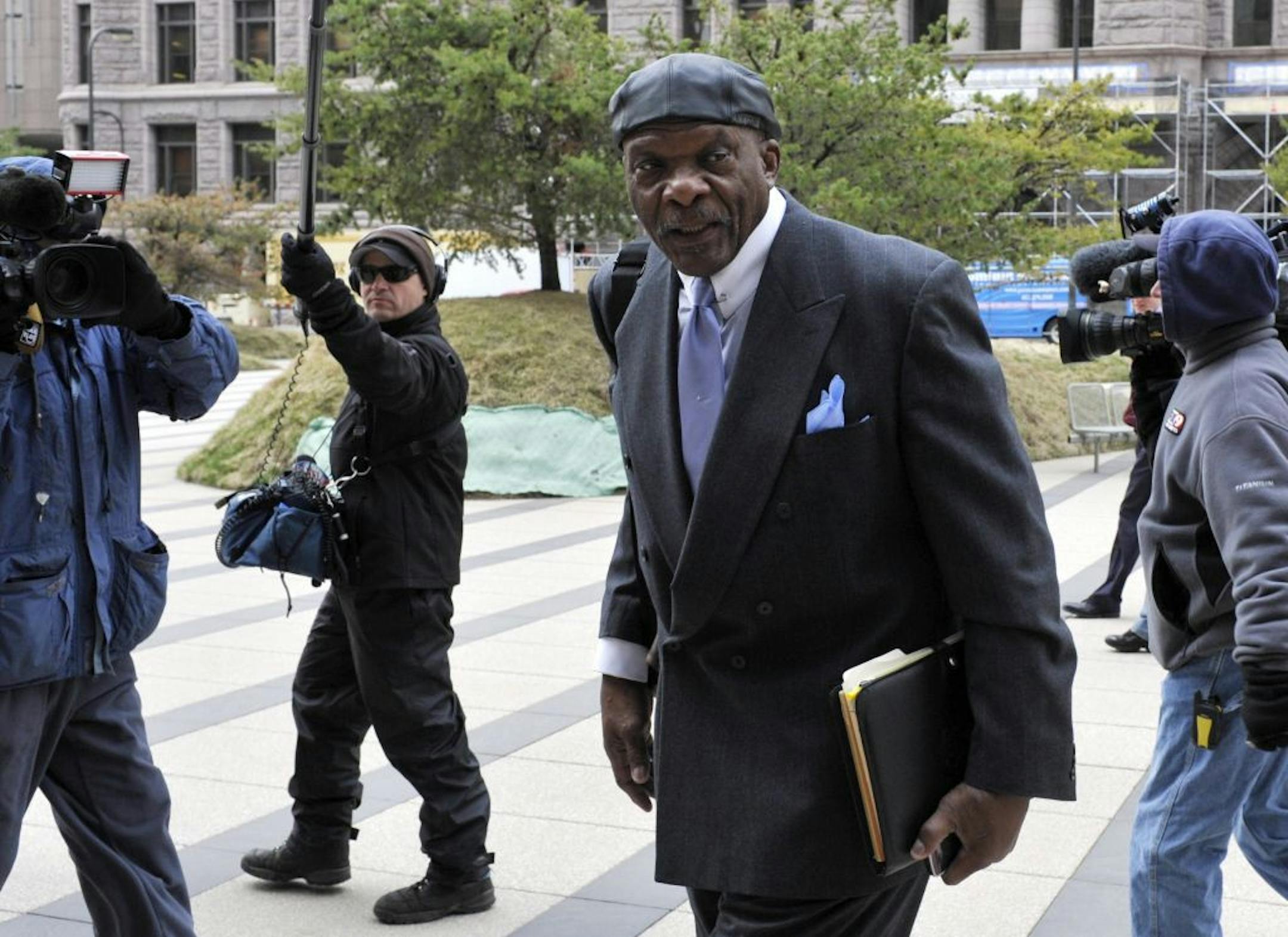
The Vikings' former great All-Pro defensive end, Carl Eller -- one of the anchors, along with Jim Marshall, of the Purple People Eaters, and now the board chair for the NFL Retired Players Association -- argues that the money will benefit current and future players and should be more focused on retired players.
One hopes that no generation of players will end up being compared to the tragic Tuskegee experiment. George Will, with whom I seldom agree, recently wrote: "Football is entertainment in which the audience is expected to delight in gladiatorial action that a growing portion of the audience knows may cause the players degenerative brain disease. Not even football fans, a tribe not known for savoring nuance, can forever block that fact from their excited brains."
All my life I've been a football guy, playing on grassy yards from Fargo to Duluth to St. Paul to Minneapolis and the suburbs, with no equipment at all other than a neighborhood football. In late grade school, I weighed more than 100 pounds, but not more than 112, and played fullback for the Randolph-Snelling Midgets.


