HSBC — one of the two most pivotal banks in the global financial system, according to regulators, alongside JPMorgan Chase — exudes permanence.
Its buildings are guarded by lions cast in bronze that passersby touch for luck. HSBC has never been bailed out, nationalized or bought, a claim no other megabank can make. It has not made a yearly loss since its foundation in 1865. While its peers took emergency loans from central banks in the crisis of 2008-10, HSBC, long on cash, supplied liquidity to the financial system.
Yet behind that invincible aura lurks an insecurity: Where is home?
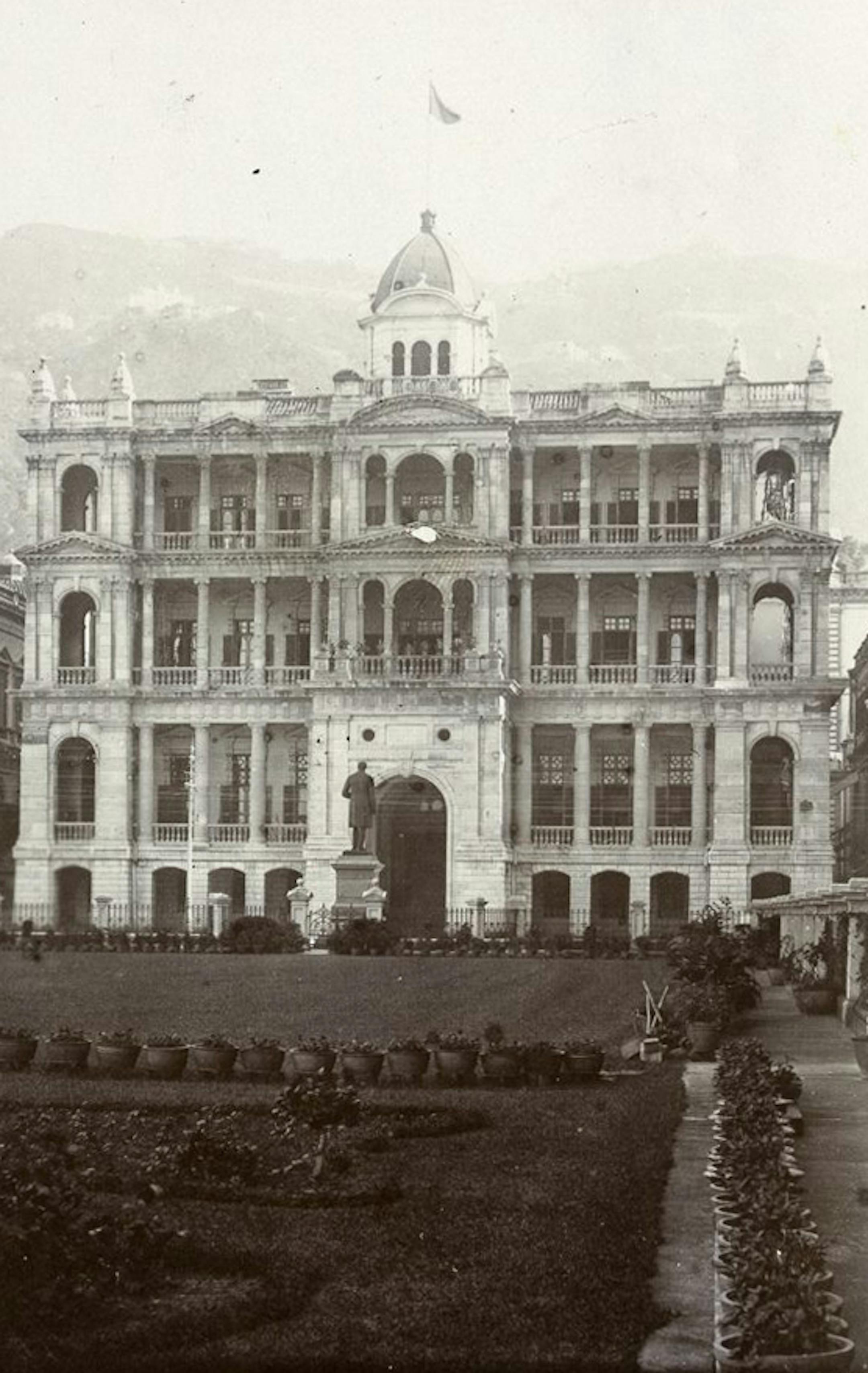
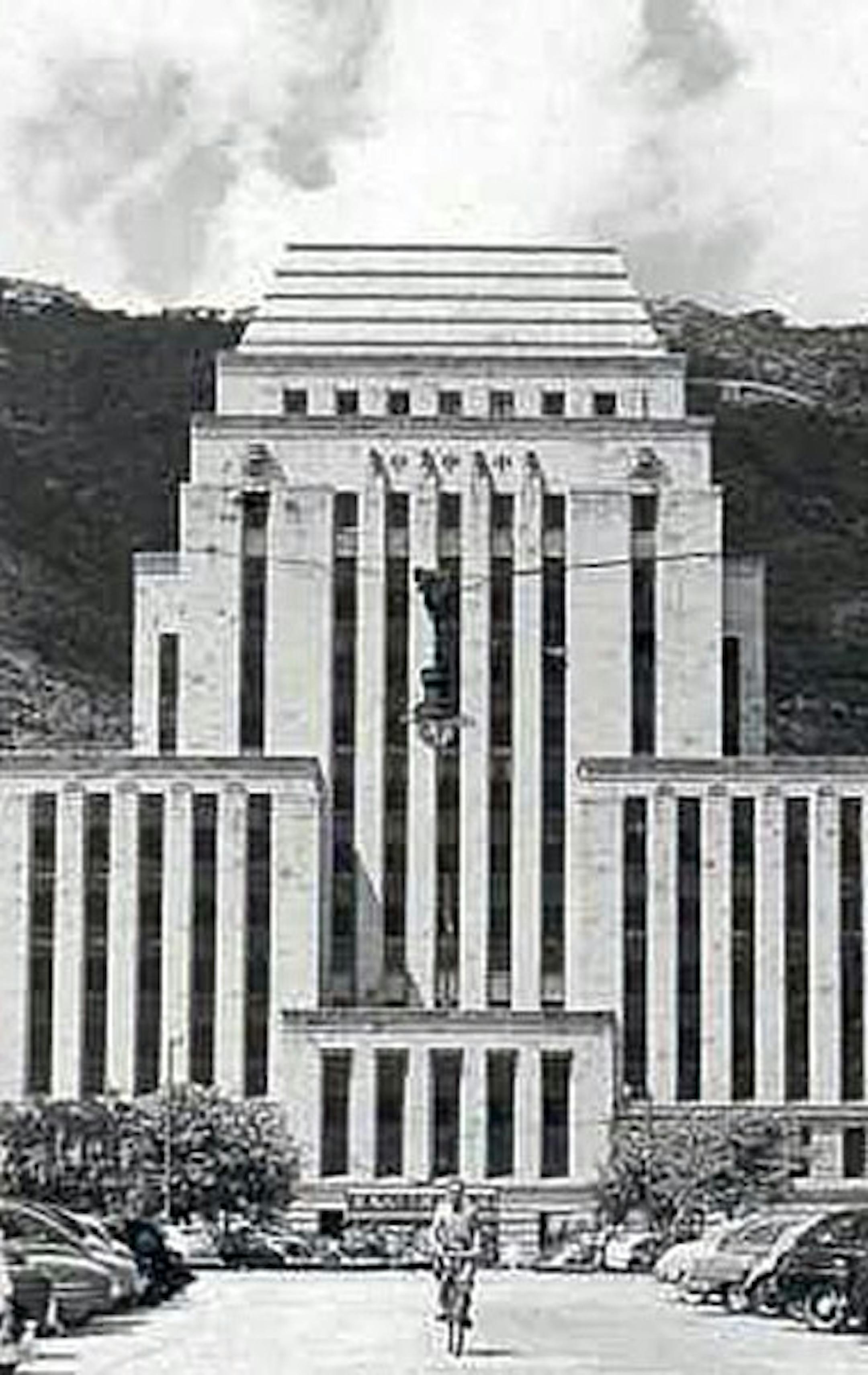
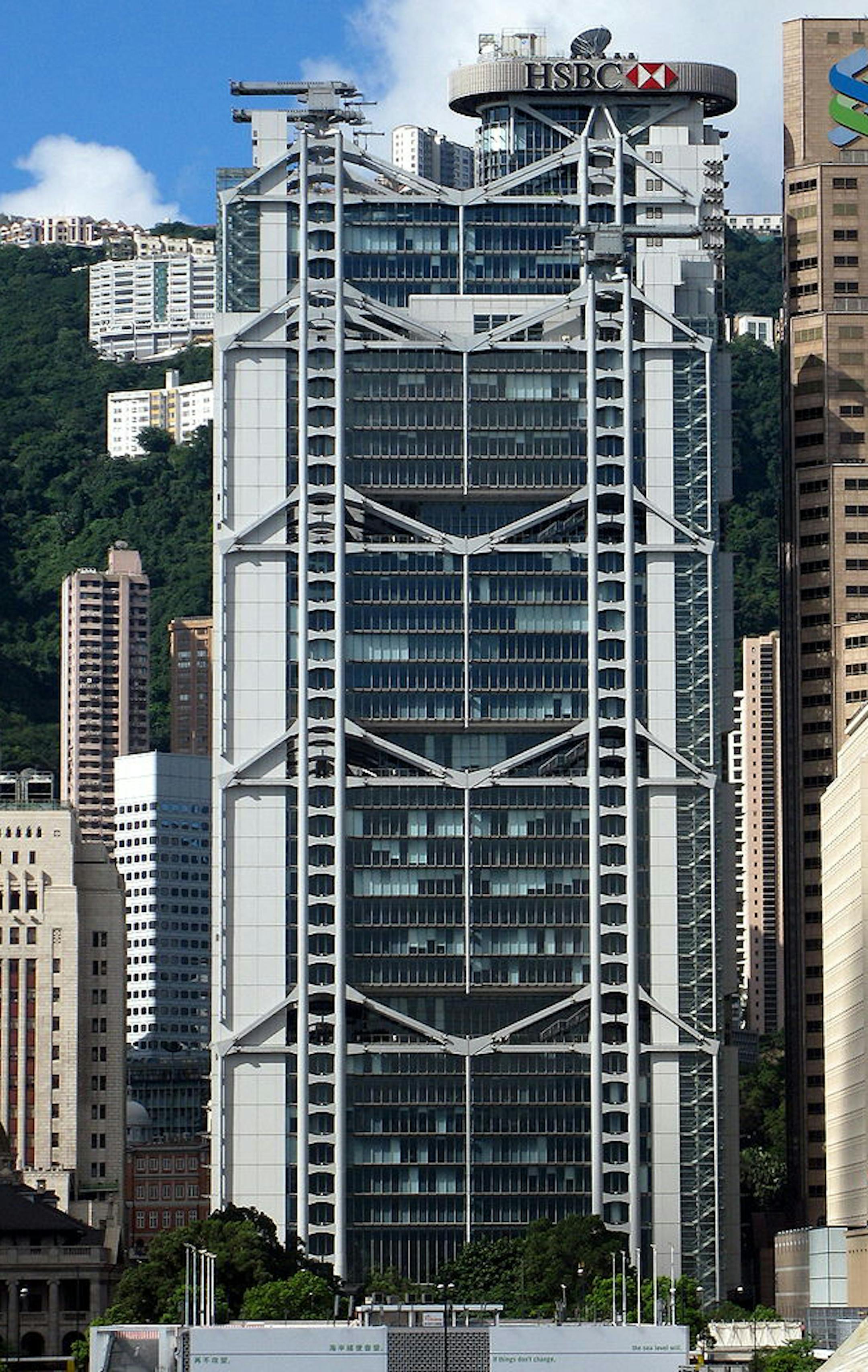
When Western and Indian merchants founded the bank in Asia in 1865, they considered basing it in Shanghai before settling on Hong Kong. Faced with wars, revolutions and the threat of nationalization, the bank has chosen or been compelled to move its headquarters, or debated it, in 1941, 1946, 1981, 1986, 1990, 1993, 2008 and 2009.
HSBC believes its itinerancy explains its survival. Countries and regimes come and go. The bank endures. Now it's decision time again. The results of a 10-month review of its domicile are likely to be announced on Feb. 22. The main choice is between staying in London — where HSBC shifted its holding company in 1990-93, in anticipation of the return of Hong Kong to Chinese sovereignty in 1997 — or going back to its place of birth.
The decision is partly about technicalities: tax, regulation and other costs. But it also reflects big themes: London's status as a financial center, the dominance of the dollar and Hong Kong's financial, legal and political autonomy from mainland China, which is supposedly protected until 2047 under the pledge of "one country, two systems." HSBC's return would be a coup for China when its economic credibility is low. For Britain, the departure of its largest firm would be an embarrassment.
That HSBC is considering moving at this moment may seem astonishing; it is knee-deep in a restructuring. Since taking the helm in 2011, Stuart Gulliver has reversed the empire-building that took place in the 2000s to refocus the bank on financing trade. He has sold 78 businesses and almost halved the bank's exposure to the U.S. Vast sums have been spent on compliance systems after HSBC was fined for money-laundering in Mexico.
The group's return on equity hovers at 8 percent to 11 percent, poor by its standards but on a par with JPMorgan Chase. Outside Asia, returns are about 5 percent. To raise them, Gulliver is inflicting a new dose of austerity, with big cuts at its investment bank. Retreat from the Western hemisphere has freed resources for Asia, where risk-weighted assets have soared by half since 2010.