

Opinion editor's note: Star Tribune Opinion publishes a mix of national and local commentaries online and in print each day. To contribute, click here.
•••
If you don't think you've been affected by global warming, take a closer look at your last homeowners' insurance bill: The average cost of coverage has reached $1,900 a year nationwide, but it's $4,000 a year in New Orleans and about $5,000 a year in Miami, according to Policygenius, an online insurance marketplace. And that is pocket change compared with the impact climate change may ultimately have on the value of your home.
We have reached a turning point: Climate risk is driving insurer decisions like never before.
After recent years of paying out claims for about 20 disasters a year with damages of over $1 billion, a sixfold increase from the 1980s, insurers are getting serious about new pricing models that incorporate the costs of a warming climate. Across the U.S., premiums jumped 12% from 2021 to 2022, according to Policygenius estimates, and they are expected to continue to rise.
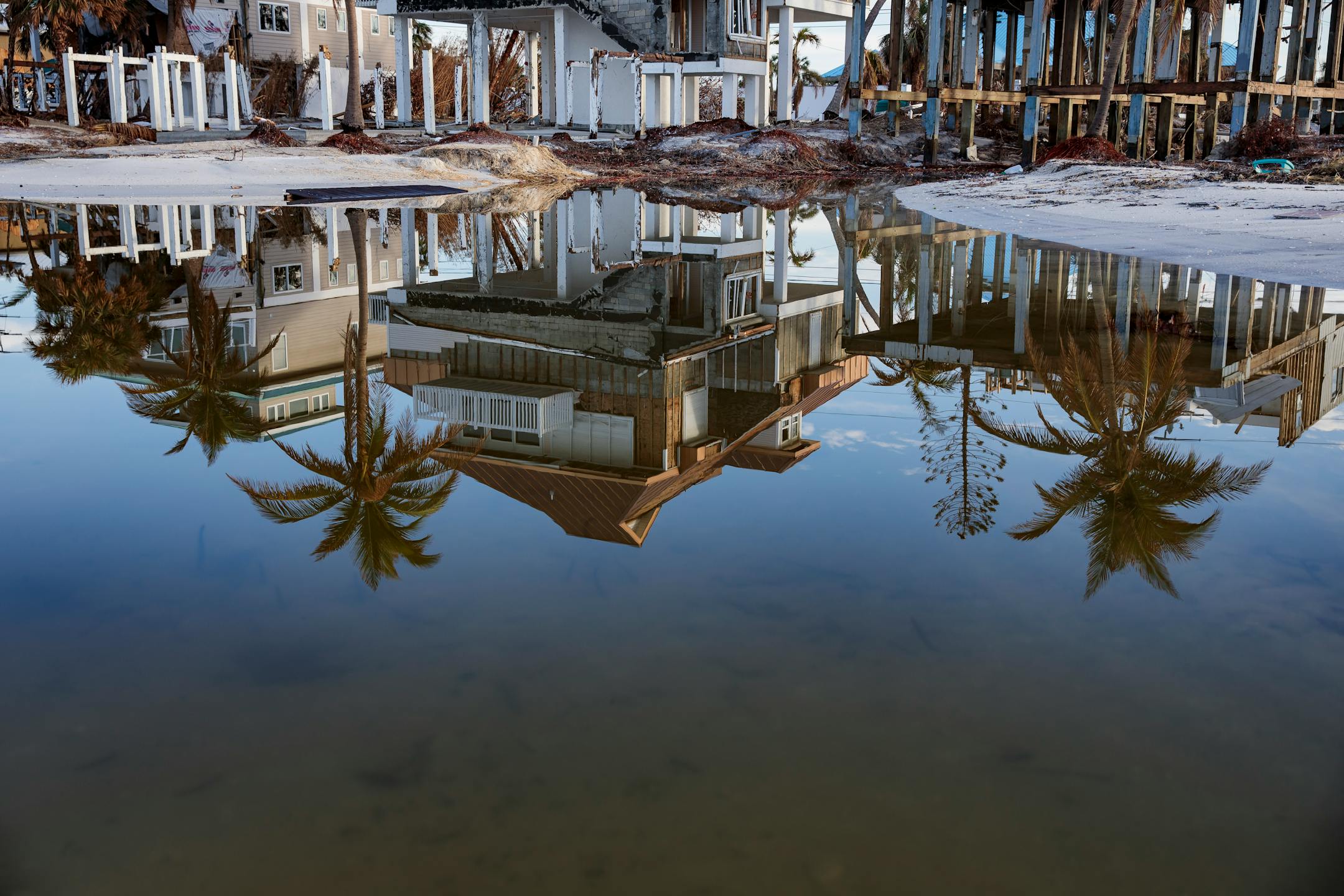
Even with higher premiums, unpredictable losses are wreaking havoc on insurers' bottom lines. Ten insurers have gone belly-up in Florida in just the last two years. And in many cases, insurers are pulling back in risky areas, leaving state-backed insurance plans holding the bag. Both private and government-backed insurers are undercapitalized for dealing with the potentially massive disasters we could be facing in coming years. This shortfall foreshadows more premium increases, which will drag down house prices. And losses will not be borne by those residing in higher-risk areas only; they will be borne by policyholders everywhere.
Thus far, housing markets have largely managed to ignore these potential exposures. Over the last three years, home prices are up around 37% nationwide. They are up even more in parts of Florida and the Southwest that are predicted to suffer significant impacts from a warming climate. Take Phoenix, which, by 2060, is forecast to endure 132 days each year with temperatures of over 100 degrees. Last summer, the water level in Lake Mead, a critical source of water for 25 million people in the Southwest, reached its lowest level since the reservoir was filled in 1937. And living in Phoenix requires energy-intensive amenities like air conditioning, which worsen these consequences. Yet Phoenix home prices are up 53% since January 2020.
Why are so many home buyers putting themselves in harm's way? The simplest explanation is that they are choosing to focus on the short-term benefits of sunny weather rather than the longer-term problems. A defining feature of the pandemic housing boom has been Americans, particularly retirees, moving southward. And with about 10,000 Americans turning 65 each day, this pattern could continue for years to come.


