

Opinion editor’s note: Strib Voices publishes a mix of guest commentaries online and in print each day. To contribute, click here.
•••
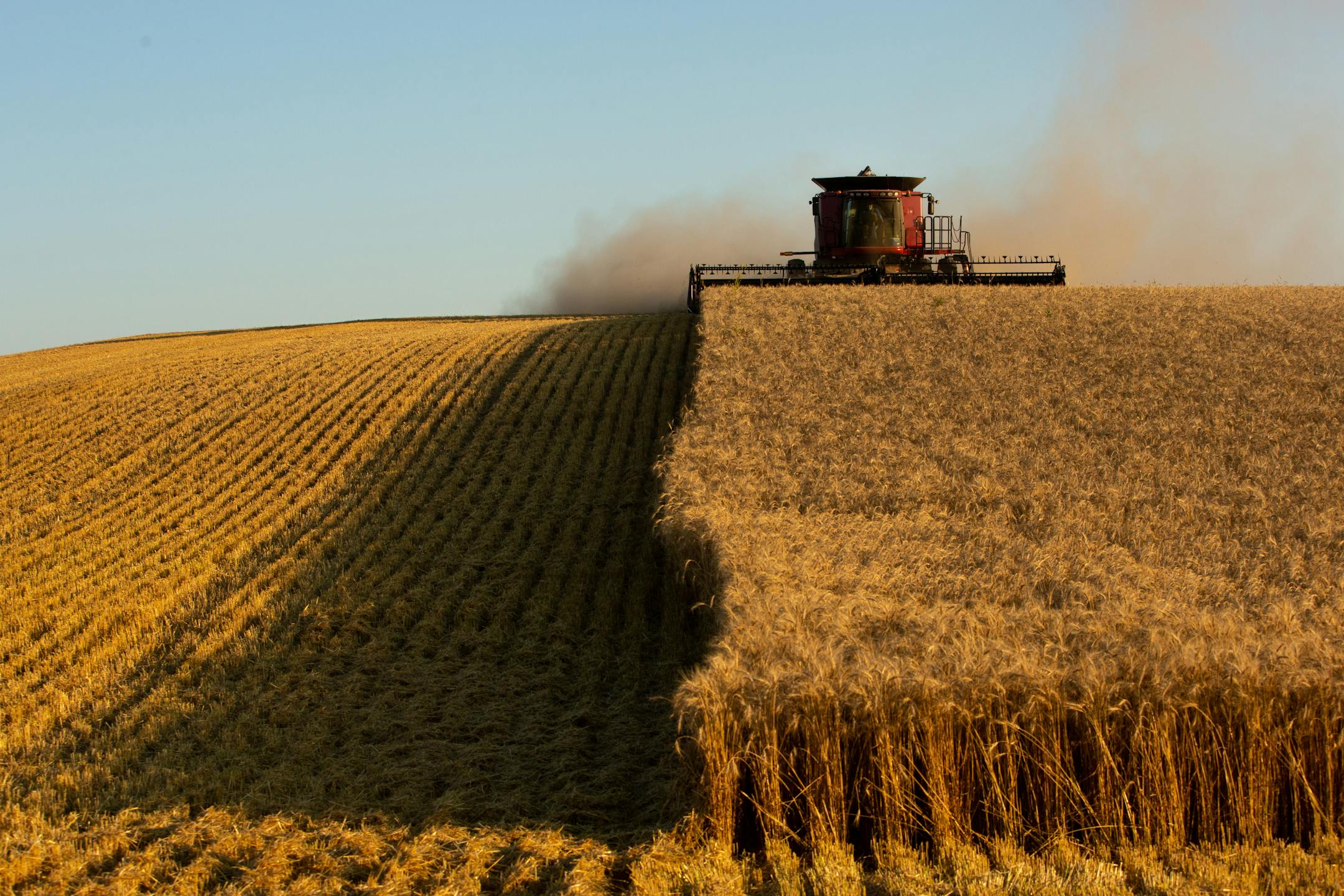
Minnesota has always been a land of hard work and resilience. As a border state and an agricultural powerhouse, our economy has long been tied to the ebbs and flows of global trade. Farmers here understand that their livelihoods hinge not only on the weather but also on international markets and volatile commodity prices.
To survive, and thrive, they’ve learned to manage risk. Tools like futures contracts have been essential, helping producers lock in prices and plan for the future. That’s why, more than a century ago, Congress stepped in to formalize and regulate futures markets: to give farmers a fighting chance in an unpredictable world.
These markets worked. By allowing producers and buyers to set prices ahead of time, futures markets introduced stability into a volatile system. Over time, what started in the farm belt expanded. Today, the same market tools used by farmers are accessible to businesses and everyday Americans seeking to hedge against everything from oil prices to interest rates.
As the former chair of the House Agriculture Committee, I worked closely with the Commodity Futures Trading Commission (CFTC), the agency Congress created to safeguard these markets. After the 2008 financial crisis, we learned the hard way what happens when markets operate without proper oversight. The CFTC plays a vital role in ensuring our financial markets remain transparent, safe and fair.
Just as farmers have long used agricultural futures to hedge against the uncertainty of crop yields — a practice born from the chaos of unpredictable weather — people and businesses across America are now turning to prediction markets to manage risk in a wide range of domains, from politics and inflation to technology and climate. Platforms like Kalshi enable trading on real-world events, offering a new kind of stability in an increasingly uncertain world. These markets both price risk and democratize access to tools that were once reserved for specialized industries. I’ve seen firsthand how futures markets bring order to volatility, and I know how vital it is to defend this emerging frontier from short-sighted state-level overreach.
These instruments serve a familiar purpose: helping people manage uncertainty. Just like farmers use futures contracts to hedge against crop prices, individuals and businesses can use prediction markets to hedge against political and economic volatility.


