In the days of pre-internet capitalism, the troubles of one dominant company in an industry tended to be good news for its rivals.
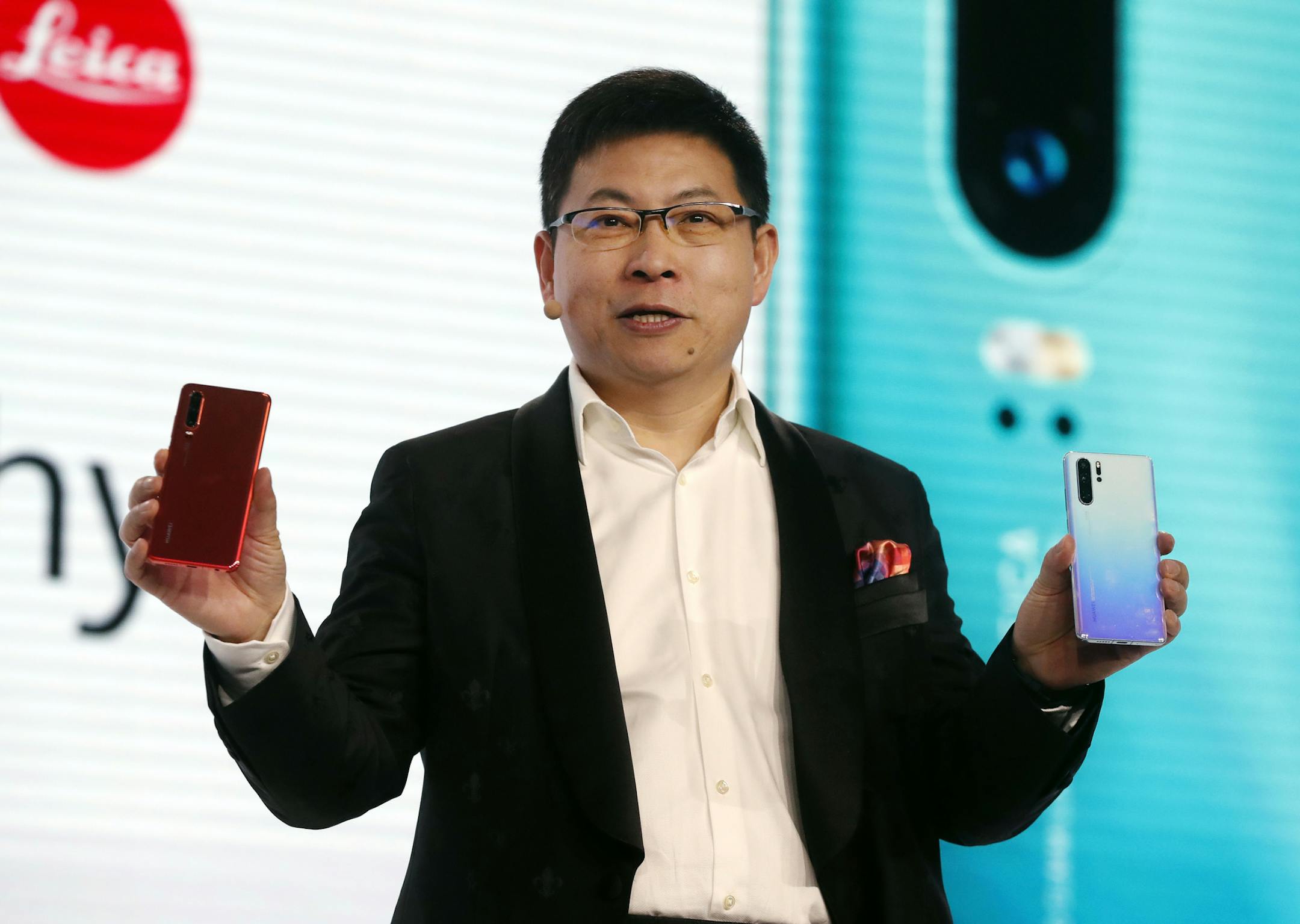
In today's hyperconnected world, a threatened ban by Western governments of Huawei, the Chinese market leader in telecoms gear, is also a worry for its competitors.
Both Ericsson, a Swedish company, and Nokia, a Finnish one, would prefer the geopolitical saga to end, the better to focus on competing for contracts related to the launch of super-speedy "fifth generation" (5G) mobile-phone networks.
The U.S. government is not letting up its campaign to persuade allies to freeze Huawei out of 5G tenders. It worries that Huawei's equipment may contain "back doors" — deliberate security flaws inserted to allow Chinese spies to eavesdrop on, or attack, phone networks.
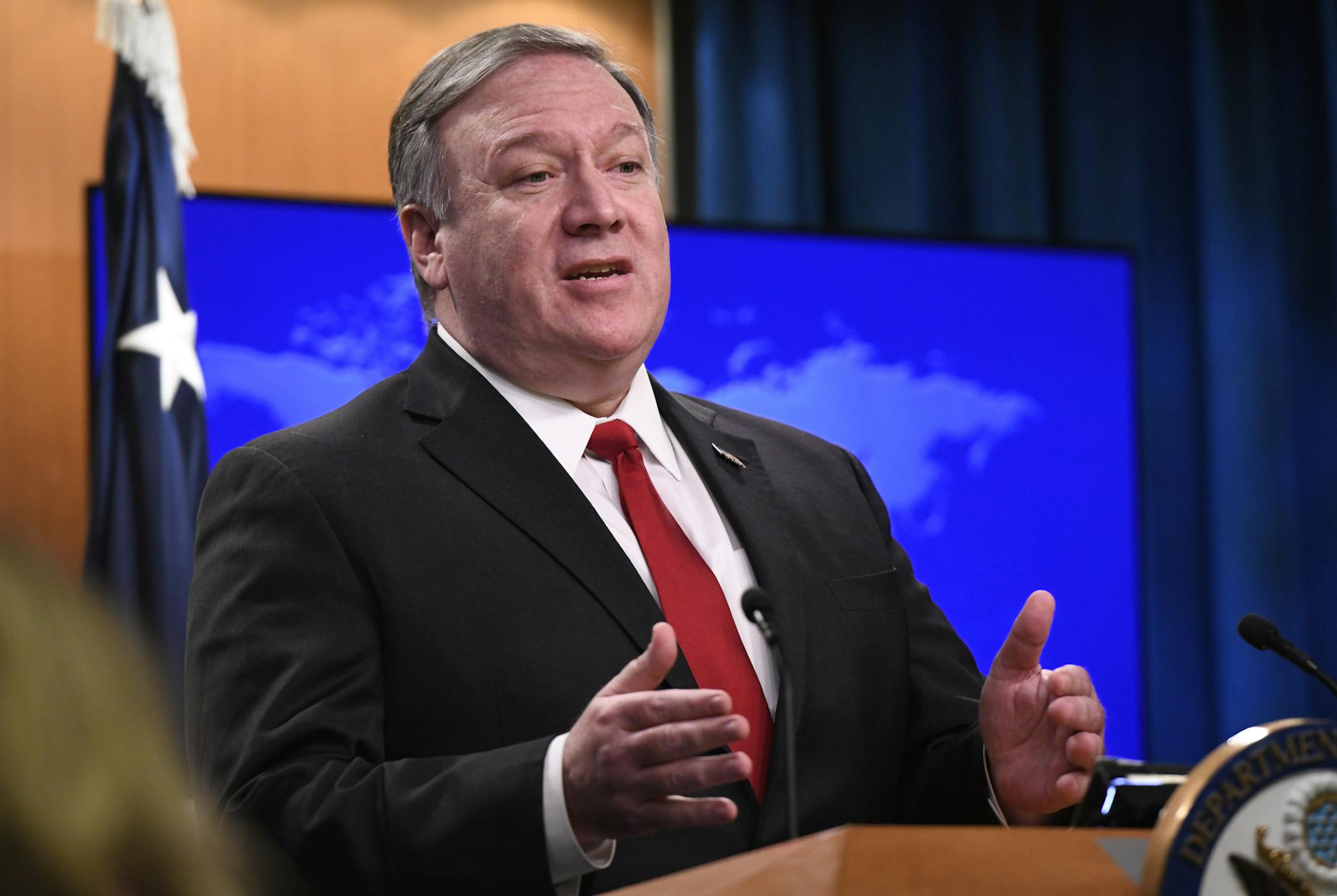
Earlier this month, in a letter to Germany's economics minister, America's envoy to Berlin, Richard Grenell, threatened to cut back U.S. cooperation with German security agencies if the country allowed Huawei or other Chinese firms to participate in the rollout of 5G. U.S. Secretary of State Mike Pompeo suggested in Hungary recently that doing business with Huawei could tip decisions on where America stations troops.
So far Britain and Germany, among others, have not yielded to U.S. demands. Angela Merkel, the German chancellor, said on March 19 that she does not believe in excluding a company from the German market "simply because it's from a certain country," though a final decision is pending.
Even if the U.S. prevailed in Europe, as it has in Australia and Japan, Ericsson and Nokia are unlikely to win back much of the market they have lost in recent years.
Between 2015 and 2018 Huawei's share rose from 24 percent to 28 percent; Nokia's dipped from 20 percent to 17 percent and Ericsson's from 15 percent to 13 percent. An escalation in the war on Huawei might prompt Beijing to retaliate by kicking Western firms out of China.