

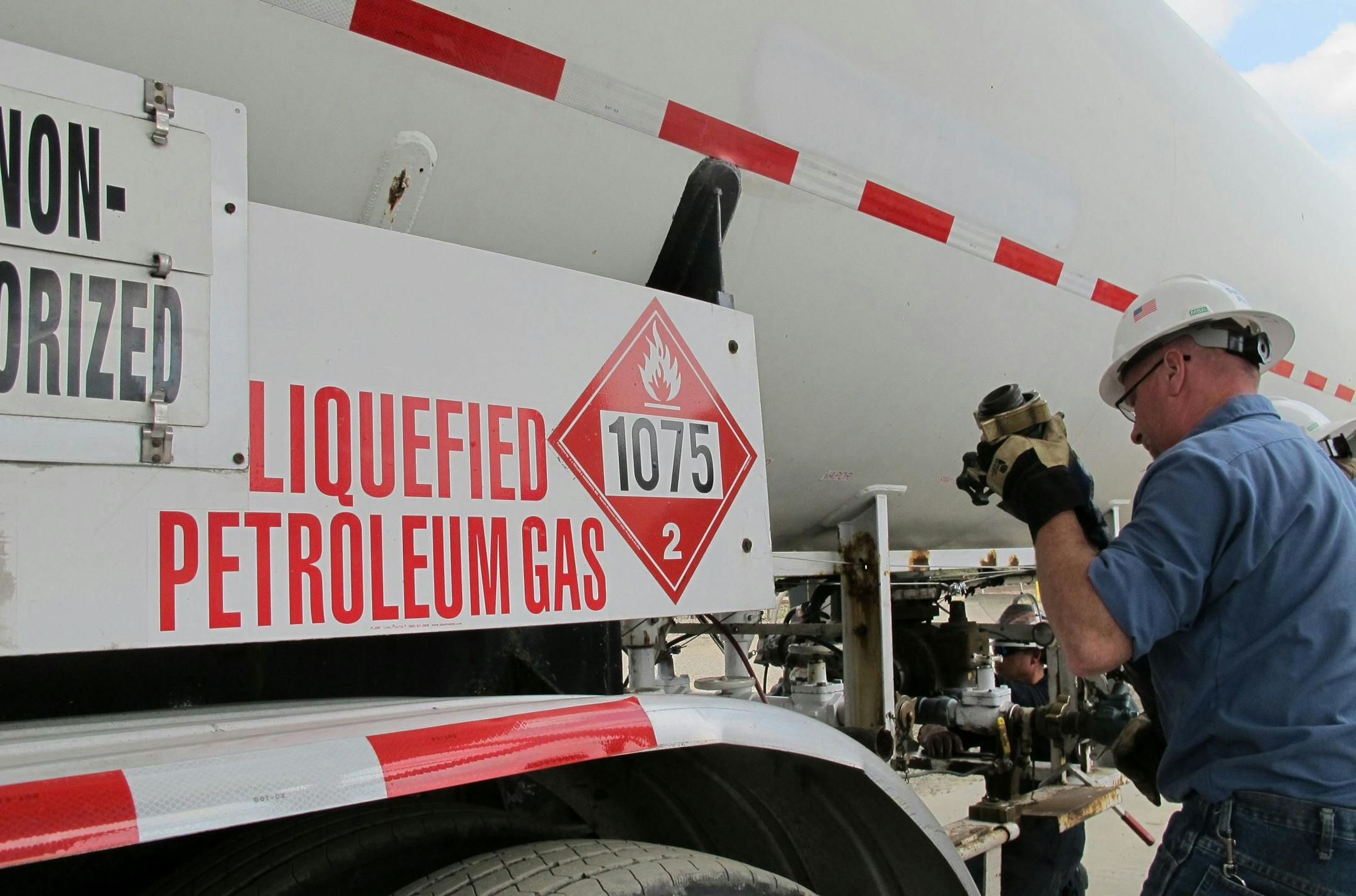
WATKINS GLEN, N.Y. – The United States is awash in propane, a byproduct of booming oil and natural gas production. Yet getting it to markets at home and abroad is challenging and controversial.
Long a niche in the energy sector, propane today is sexy. Record exports and supply disruptions this past winter have refocused attention on propane, after prices went through the roof for consumers, businesses and farmers alike.
Congress and the Obama administration are studying a possible strategic propane reserve, to function like the ones for crude oil and home heating oil.
"If they could do it with heating oil, they could certainly do it with propane," said Andrew Heaney, chief executive of Propane.pro, a national online marketplace that connects buyers and sellers of residential propane. "This is a vital fuel type, and there is a real danger of having another shortage. It just makes sense to put some kind of buffer into the system. … It's an insurance policy against disaster."
About 50 million homes use propane for winter heating, water heaters, stoves and other appliances. Far from being a winter product used just in homes across the Midwest or New England states, propane has many farm and commercial uses. California, Florida, Illinois and North Carolina are among the largest users of propane.
The nation's ongoing energy boom has meant a rapid rise in propane production. Propane is a hydrocarbon byproduct of the cleaning process in natural gas production and of petroleum refining.
Because of its ready availability and a growing global demand for it, drillers in such places as Texas, North Dakota, Ohio and Pennsylvania are increasingly producing liquefied petroleum gases (LPG), namely propane and butane.
Despite the boom, homeowners across the nation either couldn't get propane last winter or paid dearly for it. Facing a national supply crisis in February, federal regulators intervened, ordering pipeline operators to give priority to propane shipments to markets where some residents were without heat.


