

While Amazon first opened its selling apparatus to independent businesses in 1999, the company's courtship of and reliance upon them has gained a new prominence this year, most recently with an expanded suite of tools, services and investments.
Jeff Bezos began his tone-setting annual letter to shareholders in April by describing the growth of Amazon's third-party seller business over the past two decades as "strange and remarkable."
He said sales of physical merchandise on Amazon by third parties, mostly small and midsize businesses, reached 58% of the company's total last year, amounting to $160 billion.
Amazon said last week that it plans to spend $15 billion in 2019 on a range of initiatives to better support small-business sellers, and touted scores of tools and services it has released this year to help them compete in its complex, automated marketplace and fulfillment system.
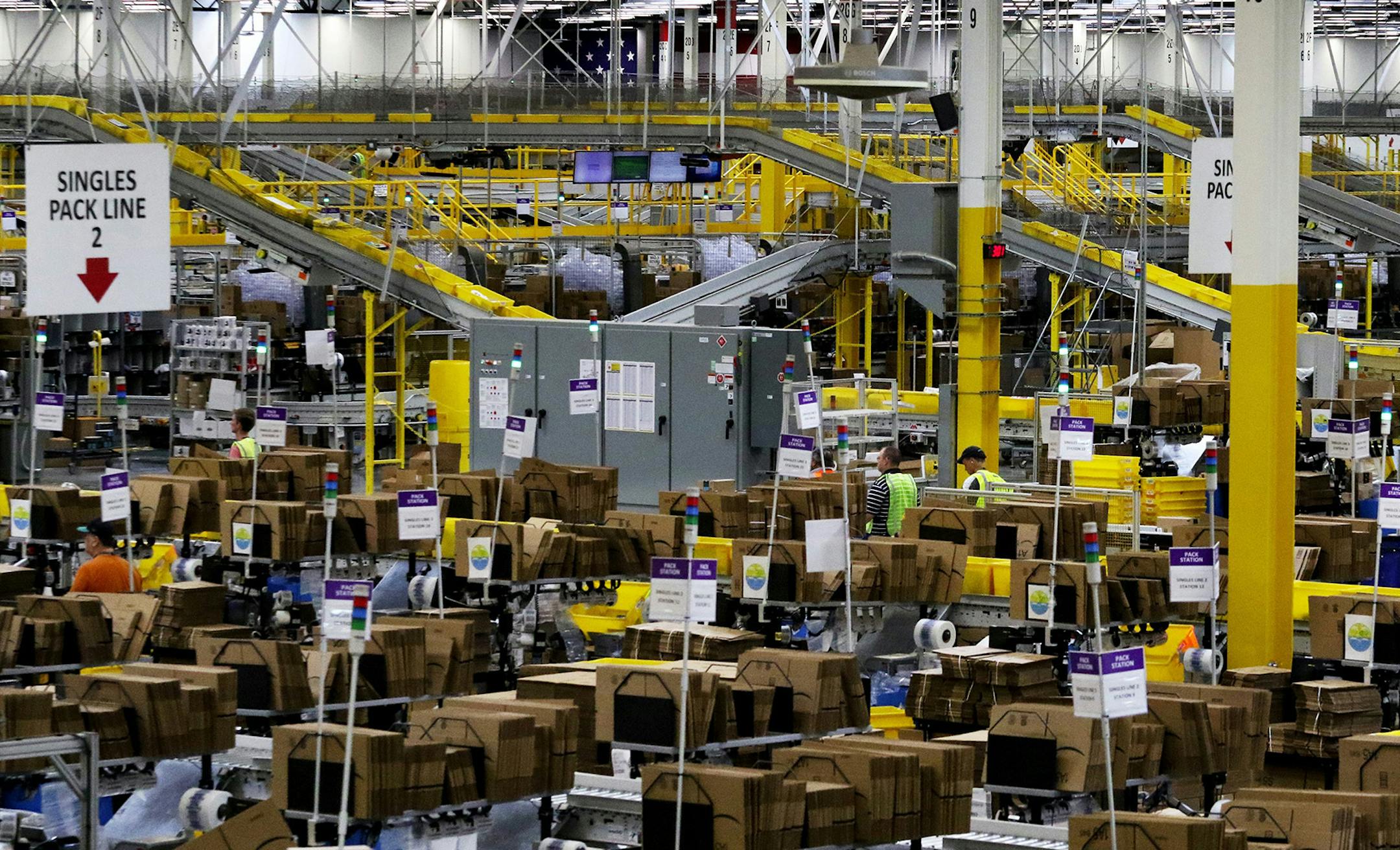
Bezos attributed the success of third-party sellers to the development of those tools and programs, highlighting in particular Fulfillment by Amazon, begun in 2006. It allows them to use the vast network of warehouses, services and delivery channels — including Prime one- and two-day shipping — Amazon has built up for its original business of selling directly to online shoppers.
Amazon's emphasis this year on the success of smaller competitors using its platform comes amid heightened antitrust scrutiny of the company and other technology giants.
It also serves to highlight what has become a fast-growing business for Amazon. Third-party sellers paid the company $23.1 billion in commissions, shipping and fulfillment fees and for other services through the first half of 2019. That's up 21.8% from the same period in 2018.
This long-term evolution of Amazon's business model is not without challenges — many of which the company is helping sellers address with various software tools.



