The big aircraft get the big headlines as both Airbus and Boeing grapple with costly delays to their giant widebody jets, the A380 and the 787 Dreamliner.
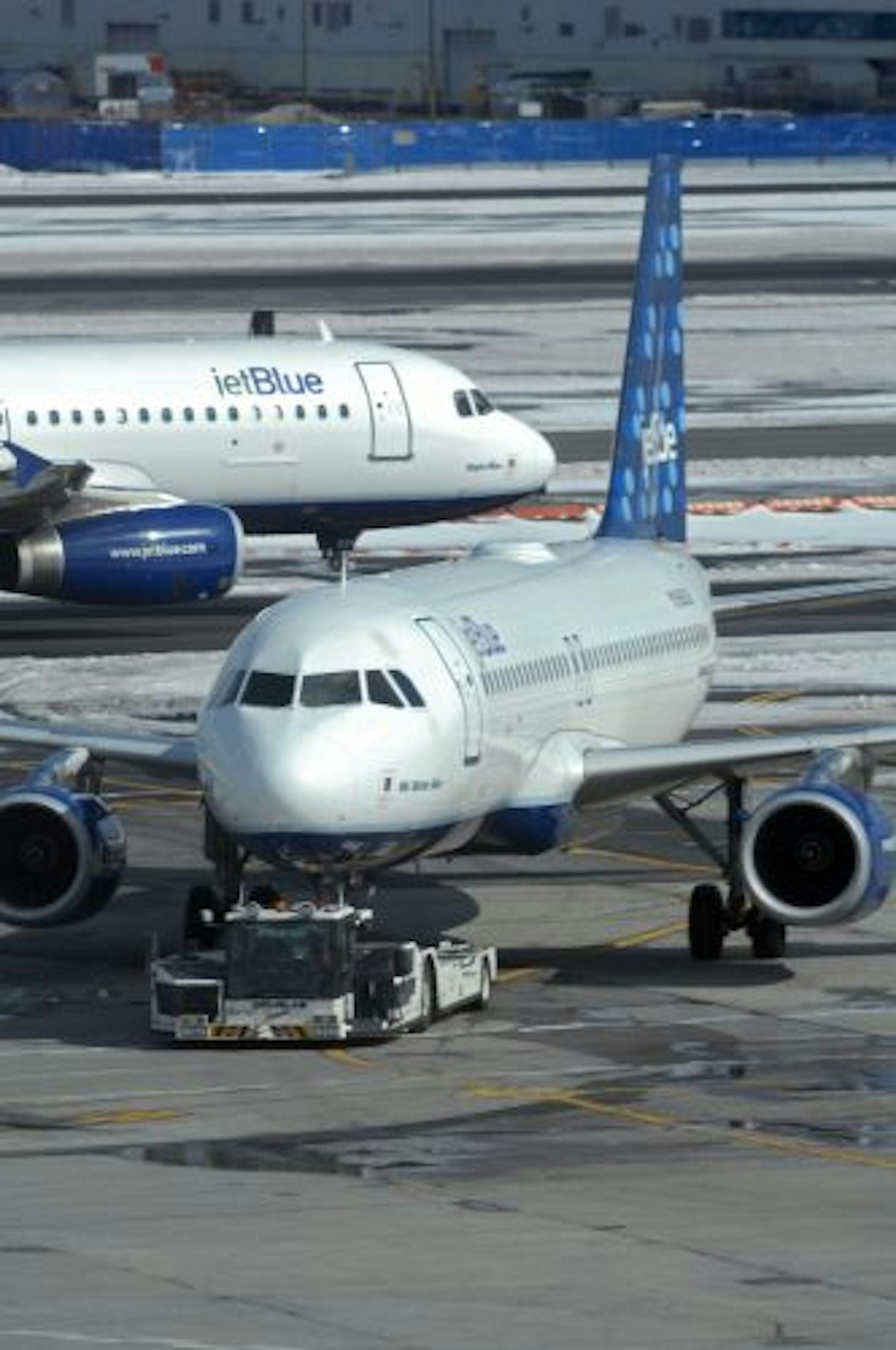
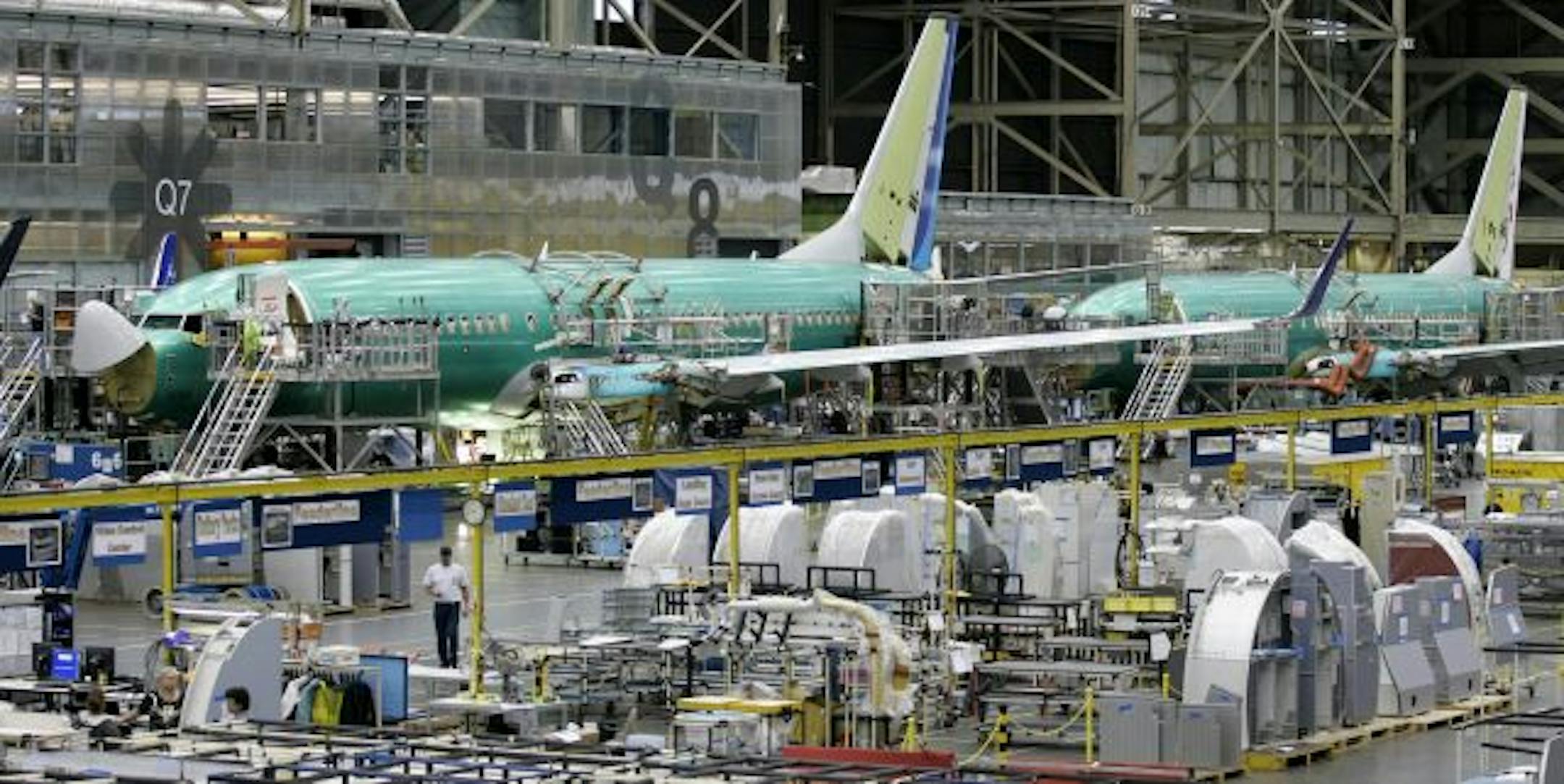
But the real poker game involves the single-aisle Boeing 737 and Airbus A320 jets. With 120 to 180 seats, these aircraft are the workhorses of the sky, accounting for about four out of every five jets that the two manufacturers sell. Last week Airbus raised the stakes when its executives agreed on an A320 upgrade.
The official launch still awaits approval by the board of EADS, parent company of Airbus. But John Leahy, head of sales at Airbus, said he's looking forward to selling the A320 NEO (which stands for "new-engine option") from the middle of this month. Tom Enders, Airbus' CEO, says that the last remaining problem was whether the company could spare enough senior engineers for the project without hurting other new planes in the works.
Boeing is considering how to respond. Both companies face the same set of problems. For two decades they have enjoyed a duopoly in this part of the market, roughly splitting sales. Both have an interest in prolonging the life of their mainstream aircraft to extract maximum profit from them.
But airlines, faced with high fuel costs and tighter margins, want better fuel economy. Meanwhile, competitors such as Bombardier in Canada, Embraer in Brazil and Russian and Chinese manufacturers are coming up with aircraft that could fly away with some of the market for single-aisle planes.
Boeing and Airbus could stick with existing products, steadily squeezing out improvements. Or they could do something more ambitious. Neither is in a rush to commit $10 billion or more to produce a completely new aircraft because both are financially strapped from delays to their bigger planes. There's also a feeling that some of the newer technologies, such as building fuselages out of carbon-composites instead of heavier aluminum, may not yet be cost-effective for smaller aircraft.
Which leaves engines as the best way to improve fuel economy. The Airbus A320 NEO will be a premium version offered with a choice of two engines boasting new technology. One is the geared turbofan (GTF), a new type of jet engine from Pratt & Whitney, part of America's United Technologies group. This engine uses a gearbox to allow the fan at the front and the turbine at the back to run at different but optimal speeds. This, it is claimed, results in fuel savings of up to 20 percent. The other engine is the Leap X, from CFM International, a joint venture between America's General Electric and France's Safran. It uses composites to reduce the weight of the engine.
Despite demands from airlines for better fuel consumption, the market for existing narrow-body jets is booming again as airline profits recover and fleets age. Boeing is considering raising the 737 production rate from 37 aircraft a month to 40. Airbus is doing the same. Like Airbus, Boeing has a big backlog of single-aisle orders. Mike Bair, in charge of developing Boeing's 737 business, said a new aircraft ordered today might not be delivered until 2015.