
AI platform gives care, comfort and clinical support to aging adults

The wellness system Zemplee tracks vital health signs, provides advice and offers companionship.

For the Minnesota Star Tribune
October 8, 2025 at 10:35AM
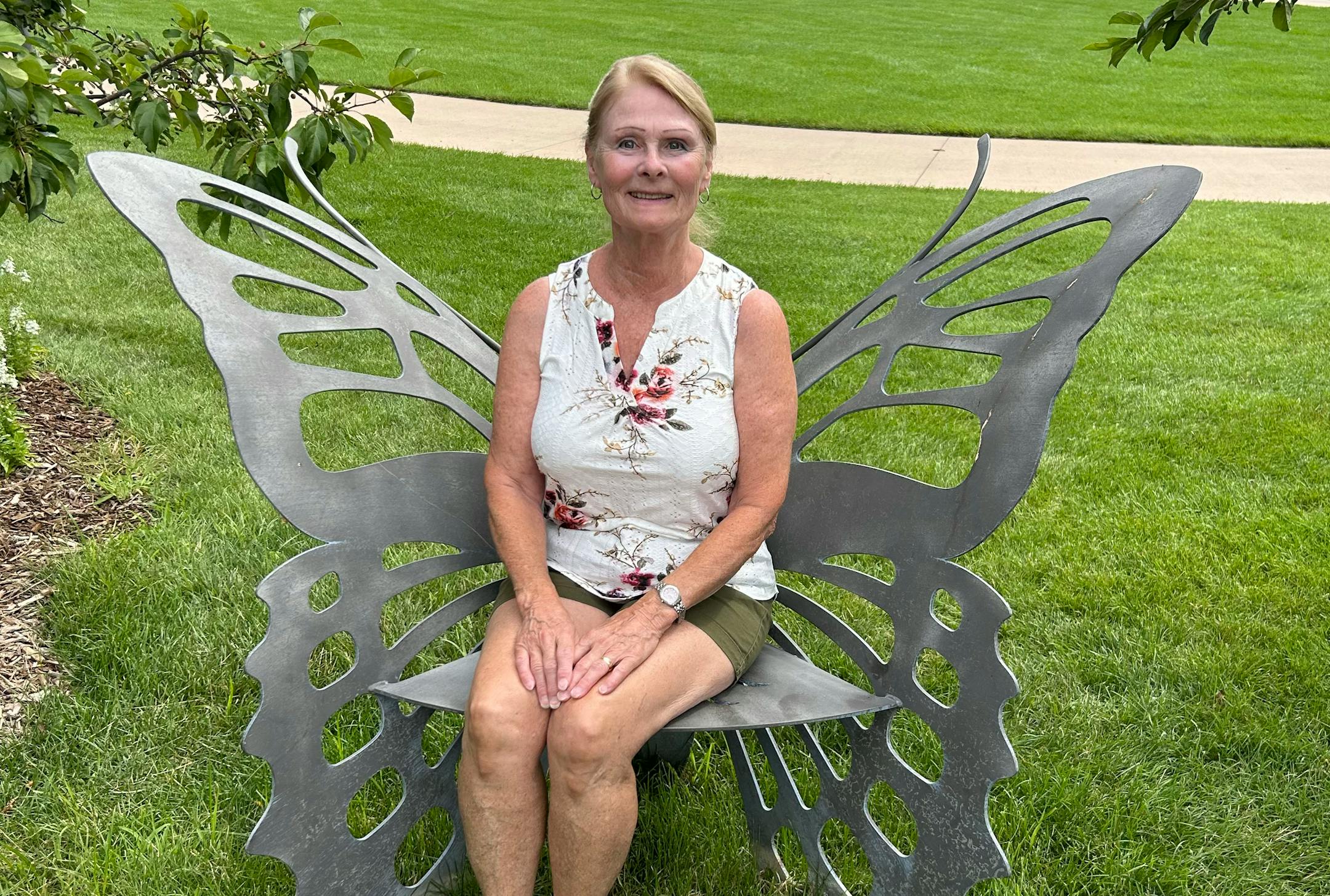
Vickey Mann is part of a program in Freeborn County testing AI-driven technology that supports seniors aging in their homes. She says the platform helps her feel "calm and secure."

From the moment Vickey Mann rises in the morning, then spending time in her garden or running an errand, she has the comfort of someone watching over her. Even if it’s part robot.

Zemplee, an AI-powered monitoring system and wellness platform, tracks 75-year-old Mann’s movements and vital health signs. It’s also capable of checking in with questions and providing advice.

For Mann, who had some recent health worries and stays home while her husband goes to work, the technology eases the everyday anxiety of being home alone.

“I just like the comfort of it. I’m just calm and secure with it. That’s the biggest thing,” Mann said.

She’s able to stay in her home of 28 years, doing things she loves the most — like tending to a backyard garden and bringing bunches of hydrangeas to friends in nearby nursing homes who no longer have their own flower beds.

Mann is testing out AI-driven technology as part of a new initiative called Connected Community of Freeborn County. It aims to support individuals ages 55 and up to grow older safely, happily, affordably and in the comfort of their homes.

That program is one example of how AI can be employed to improve the physical and mental health of older adults at a reasonable cost.

For many, especially those who live alone, the system provides both clinical support and the feeling that someone is looking out for them.

Addressing affordability

One of Zemplee’s key selling points is its affordability, something its founder Aparna Pujar focused on. The technology helps cut the burdensome costs of aging by allowing residents to stay in their homes. It also reduces the need for in-person assistance.

The monitoring system costs a fraction of what human care providers or senior living facilities charge, which can range between $60,000 to $90,000 per year, according to the Minnesota Department of Human Services.

A Zemplee starter kit usually costs $300 to $500, with an ongoing monitoring fee of around $80 per month. Some costs may be covered by Medicare.

Although Pujar initially planned to create Zemplee as a simple safety tool, she soon pivoted to a more holistic approach by incorporating tools to support physical and mental health.

As with physical care, the cost of mental health care can be a significant barrier for older adults, said Dr. John Simon, a Minneapolis-based geriatric psychiatrist.

Though Zemplee doesn’t offer full clinical mental health support, the tool can help quell anxiety and loneliness by providing companionship and the comfort of knowing that someone is always available to help.

How it works

Zemplee works by using physical sensors to collect data and AI to trace patterns and respond to problems.

It’s an in-home care system that uses physical hardware like medical devices and sensors placed beneath beds and around doorways to track movement, activity and other health data.

Zemplee’s AI component then continuously assesses data to notice patterns and anomalies. For instance, it tracks if a user doesn’t open the refrigerator to take insulin or stays outside in the garden for too long.

The system then can connect to Amazon’s Alexa to respond to those concerns, asking users if they need help, reminding them about care tasks or calling for outside assistance if needed.

Sometimes a human care provider responds; other times, AI provides that assistance.

All Zemplee products are integrated into broader health care systems such as senior living providers or community programs. The Connected Community of Freeborn County program, for instance, is managed by local senior living nonprofit St. John’s Lutheran Community, and connects other partners with Zemplee, including the local fire department.

The system also engages the user in activities like playing music or asking trivia questions to create a feeling of connection.

“Our model is that we start the conversation. We don’t wait for them to do it,” Pujar said. “It becomes this engaging agent that is constantly there, working with the person as their companion, helping them stay on track, stay safe, stay healthy.”

Father Henry Doyle, 73, who lives in an independent community in Faribault, Minn., believes an AI-powered assistant like Zemplee could help many of his neighbors who also live alone.

He finds that most of his peers want to independently age in their own homes but struggle with loneliness and depression.

“You see, we’re not independent … we’re really interdependent human beings,” he said. But he noted caregiving can be expensive and exhausting.

Having an AI assistant that offers reminders to eat or plays familiar music could ease the mental toll of living alone without feeling like a burden to others, he said.

Other uses of AI technology

Zemplee is continuing to find ways to incorporate more mental health care options, including more in-depth AI-generated conversations. These are powered by language models like the one used by widely known chatbots such as ChatGPT.

Some people use those chatbots to try and mimic talk therapy for their mental health. But without proper safeguards, there are risks, according to experts like Simon.

“I think chatbot therapy would work very well a lot of the time, but unfortunately, I think it might really get off base” sometimes, Simon said. “And for those few people, it could be disastrous. I’m not sure the accuracy is stellar enough yet for common use.”

Ikram Khan, managing director of Minneapolis-based Health AI Institute, agreed most tools like ChatGPT require more vetting for mental health use.

Pujar said Zemplee is exploring how it can safely use large language models layered on top of its existing AI systems to filter out unsafe advice and create additional avenues for companionship and wellness.

But for some users like Mann, AI simply supports her mental wellbeing by providing security in her own home.

“I just go about my normal day, but just knowing that if something should happen, I’m taken care of completely.”

about the writer

about the writer

Lia Salvatierra

More from The Good Life

See More
card image
card image