

Opinion editor’s note: Strib Voices publishes a mix of guest commentaries online and in print each day. To contribute, click here.
•••
As Minnesota grapples with a wave of AI-driven mega-sized data center proposals, we should be deeply skeptical of claims by developers that the only way to build them is by keeping communities in the dark. Joe Ryan’s recent commentary (“Minnesota should be fighting to build data centers,” Strib Voices, Dec. 9), does just that and presents a false choice between investment and transparency. Strong environmental review and a robust democratic process are the best ways to look out for Minnesota’s future, not taking shortcuts that could potentially sacrifice our water, energy and values.
Ryan, the founder and CEO of real estate developer Oppidan, alleges companies like his will pass Minnesota over due to our environmental protections. He also argues that Minnesotans concerned about the confusing process for reviewing and permitting data centers just misunderstand standard early-stage business practices. But data center developers have chosen to hide information from the public, and this choice has significant consequences for Minnesotans and our natural resources.
Many data center developers in Minnesota have sought nondisclosure agreements (NDAs) with local governments. These NDAs prevent government officials from telling local residents what is being planned in their community. My organization gets dozens of calls a month from concerned Minnesotans who want to know about data center proposals. Their biggest worries are about what they are not being told.
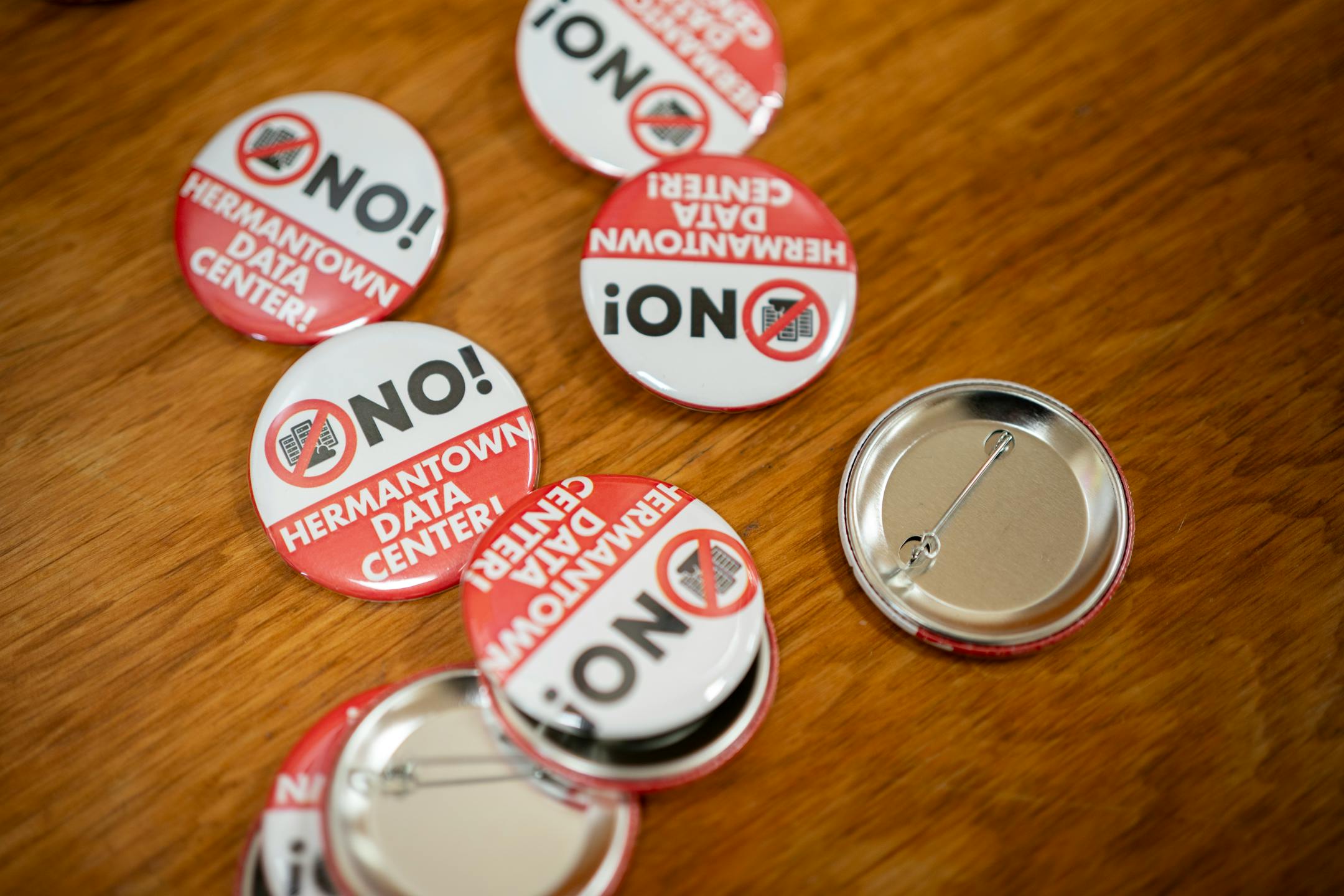
NDAs may have a place in early discussions about a proposed project. But in the case of data centers, they are being used well beyond these early stages, harming the public process. In Hermantown, more than 20 government employees and at least four elected officials signed NDAs that were in effect for over a year. They allowed these government officials to plan a massive project without a word to the public. They remained in effect during the environmental study phase, which is probably the most critical stage for public engagement. The result is an environmental study that is almost useless or even misleading, with little to no detail about the project itself or its potential impacts.
The antidote to secrecy in Minnesota is environmental review, which has a long and robust tradition in our state. Minnesotans expect our government to study a project before issuing any permits, and give the public the chance to do the same. That’s why environmental review is called the “look before you leap” law. It identifies potential risks and benefits of a project, requires the project proposer to consider ways to make the project better and gives the public an opportunity to weigh in on the project. That way, residents and the government have the information needed to decide whether a project is right for their community.
The commentary suggests that secrecy early on isn’t a problem because there will be some later “public process” where the public will be able to learn about the data center and weigh in on its fate. I am an environmental lawyer who has been practicing for 20 years and I do not know what later “public process” he is referring to. As far as I know, the only opportunity to provide overall comments about the full scope of potential impacts of a data center is at the environmental review stage.


