CHICAGO – President Donald Trump's decision to back out of the Trans-Pacific Partnership (TPP) trade deal, a $62 billion market for U.S. farmers, provides a fresh threat to a slumping agricultural economy that has grown increasingly dependent on exports.
Agricultural groups expressed disappointment over the move and urged the new administration to find alternative ways to boost product shipments to Asian countries. Trump announced the cancellation on Monday, quickly fulfilling one of his campaign promises.
Trump won nearly two-thirds of the rural vote in November, with big agricultural states including Iowa, Nebraska, Ohio and Indiana all lining up for the Republican.
The TPP, which was never approved by Congress, was a 12-nation trade pact which the Obama administration framed as way for the United States to establish economic leadership in the region. But Trump, who wants to boost manufacturing, claimed the deal hurt the U.S. job market.
"The TPP held great promise for us, and has been a key priority for several years now. We're very disappointed to see the withdrawal," said Ron Moore, president of the American Soybean Association.
Soybeans have been a rare bright spot in the struggling agriculture sector and even helped boost overall U.S. economic growth as prices for most crops have faded. But strength in the oilseed's price was largely due to overseas demand.
A 10 percent jump in soybean shipments during the third quarter helped spur the biggest gross domestic product gains in two years. The U.S. Department of Agriculture (USDA) expects 2016-17 soy exports to hit a record 2.05 billion bushels, accounting for nearly half of the recently harvested crop in the United States.
The United States is a net exporter of agricultural goods, and shipments to the 11 other countries in the TPP deal totaled $61.735 billion in 2015, latest data shows. The Obama administration had touted TPP as a trigger for further gains.
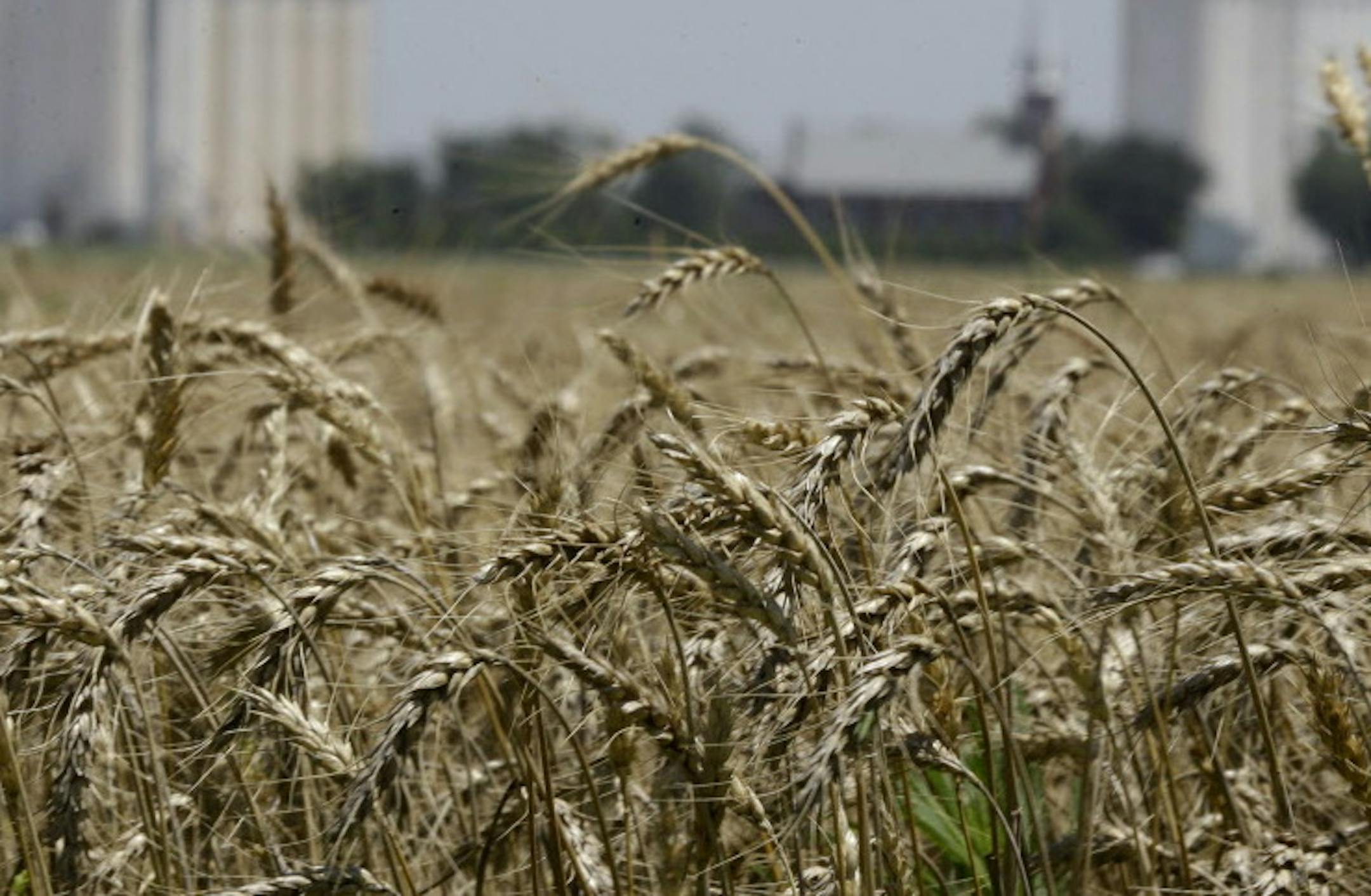
![This corn stands tall at project Liberty on Friday morning July 22, 2011 in Emmetsburg Iowa. The Poet Biomass stack yard contains thousands of corn husk bales which are stored in Emmetsburg Iowa. The bales are used to produce cellulosic ethanol. Each bale yields about 50 gallons of Ethanol. ] Richard Sennott/Star Tribune. Richard.Sennott@startribune.com Emmetsburg,Iowa. Friday 07/22/11) ** (cq)](https://arc.stimg.co/startribunemedia/PEVFJF2IZ7ZK2YCGA4VCBKFKNU.jpg?&w=1080)