
Opinion | Move nitrogen fertilizer higher on your worry list

Two huge threats to our environment come from this exact same source.

October 17, 2025 at 7:59PM
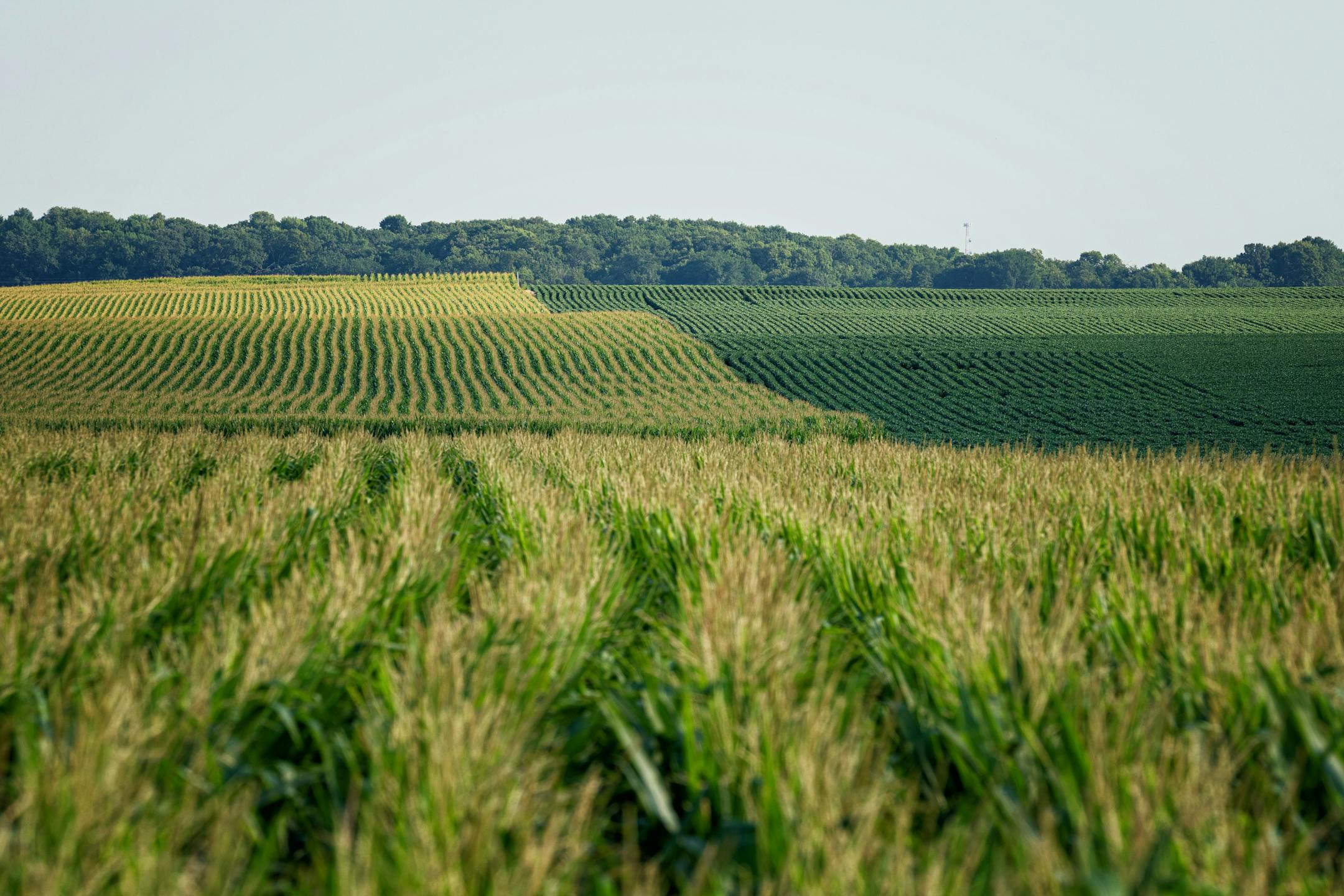
The biggest culprit in agricultural production of greenhouse gases is nitrous oxide emissions from the overuse of nitrogen fertilizer to grow corn, writes Jean Wagenius. (Glen Stubbe/The Minnesota Star Tribune)

Opinion editor’s note: Strib Voices publishes a mix of guest commentaries online and in print each day. To contribute, click here.

•••

When most Minnesotans think about the climate crisis they think about energy or transportation. What’s missing? Agriculture.

Right behind transportation, agriculture produces 25% of Minnesota’s greenhouse gas (GHG) emissions. Electricity generation, with its falling emissions, is now moving in the right direction.

Recognizing that agriculture’s GHG emissions are huge, some might assume the biggest sources are animal agriculture or carbon dioxide from tractors and trucks. But that’s wrong. It’s neither. The biggest culprit, by far, is nitrous oxide emissions from the overuse of nitrogen fertilizer to grow corn.

In its latest GHG emissions report, the Minnesota Pollution Control Agency (MPCA) revealed the extent of Minnesota’s nitrous oxide emissions from agriculture. Minnesota’s row crop agriculture is responsible for more than two-thirds of agriculture’s GHG emissions. In 2022, 70% of row crops’ emissions came from nitrous oxide and 30% from carbon dioxide.

Some nitrous oxide emissions come from spreading manure on the land, but far more comes from excess application of synthetic nitrogen fertilizer. That doesn’t include the additional emissions from producing fertilizer that is mostly made from natural gas, a fossil fuel, and occurs in other states.

While the climate impacts of nitrogen are only now becoming fully understood, the impacts of nitrogen on our lakes, rivers, streams and groundwater used for drinking has a long history. It turns out one of Minnesota’s biggest sources of climate pollution and one of Minnesota’s biggest sources of water pollution come from the exact same source, nitrogen fertilizer.

Minnesotans have pressed state agencies to reduce nitrate water pollution without success. In 2014, instead of creating an enforceable nitrogen water standard as directed by the Legislature, state agencies decided to allow farmers to volunteer to reduce nitrogen fertilizer or not. Agencies decided to spend taxpayer money on numerous programs and practices that they hoped would reduce the pollution from the overuse of nitrogen fertilizers. But as agencies have spent more and more, the nitrate problem persists and an untold but large number of Minnesotans — including children — continue to drink water that is unsafe.

Many farmers rely on agricultural retailers to determine the amount of nitrogen fertilizer to apply. The Minnesota Department of Agriculture endorses this practice. But fertilizer retailers have an obvious conflict of interest. Reducing the amount of nitrogen fertilizer they sell reduces their profits. And since retailers have no responsibility to pay to clean up water they pollute, they lack the necessary incentive to prevent pollution.

This conflict of interests hurts farmers, too. Farm financial data between 2017 and 2022 show that the least profitable farms spend 15-30% more on fertilizer per year than the most profitable farms. Financial data from 2023 show that the least profitable farms spent 33% more on fertilizer than the most profitable ones.

MPCA recently issued a draft 2025 “Minnesota Nutrient Reduction Strategy”(NRS), an update of the original plan — which did not work — to significantly reduce nitrogen and phosphorus water pollution.

The new draft NRS fails to recognize the common ground among corn growers who need to keep their nitrogen fertilizer costs as low as possible, people who are pushing to clean up our waters and reduce greenhouse gas emissions and Minnesotans who love recreating outdoors. All would benefit from reducing the overuse of nitrogen fertilizer.

Prevention is always more effective than cleanup. But rather than focusing first on reducing the overuse of nitrogen fertilizer, the NRS anticipates having “landowners, city residents, and government agencies” pay an astonishing $1 billion every year for farming practices that try to keep some of the excess nitrogen from getting into our waters after it’s already been overapplied. The NRS doesn’t anticipate imposing financial responsibility on those who profit from producing and selling nitrogen fertilizer. This turns “polluter pays” on its head and perpetuates the incentive to sell as much nitrogen fertilizer as the market will bear.

With two huge threats to our environment coming from a single source, Minnesota needs real reform. That starts with providing farmers unbiased information about the costs of using excessive nitrogen fertilizer and recognizing that relying mainly on voluntary efforts has failed. It’s well past time for adopting enforceable standards that protect our waters, including groundwater used for drinking.

Jean Wagenius, of Minneapolis, was a member of the Minnesota House from 1987 to 2020.

about the writer

about the writer

Jean Wagenius

More from Commentaries

See More
card image
Anthony Souffle/The Minnesota Star Tribune

TIF has metastasized into one of the most abused public financing mechanisms in the state. The whole concept should be revisited.

card image
card image